Analyzing Limitations in US-Indonesia Defense Partnerships

Challenges in Southeast Asia Defense Cooperation
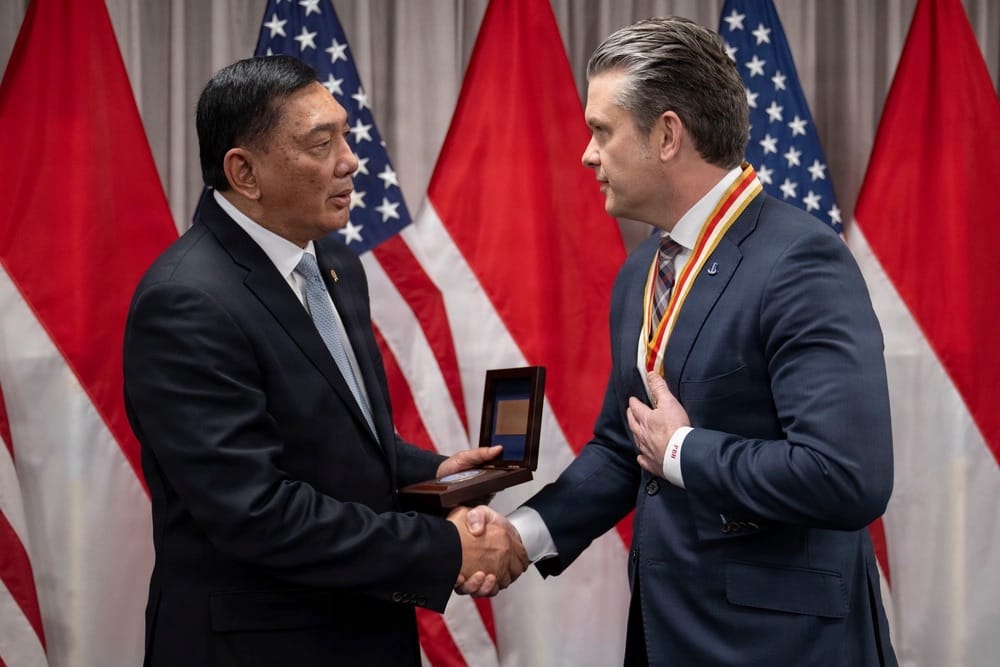
The United States is actively expanding its defense partnerships in Southeast Asia, yet the case of Indonesia highlights significant limitations in this strategy. The ongoing efforts to strengthen military ties with Jakarta reveal that without a deeper alignment on strategic interests, cooperation may fall short of expectations. This situation underscores the complex dynamics at play in the region, particularly in the context of increasing Chinese influence.
Historically, Indonesia has been hesitant to fully engage with US defense initiatives, partly due to its non-aligned foreign policy stance and its desire to maintain sovereignty. The current geopolitical landscape complicates these relationships further, as nations in Southeast Asia navigate the pressures of aligning with global powers. Analysts suggest that while the US aims to counterbalance China’s growing assertiveness, the effectiveness of its partnerships may be hindered by differing priorities and regional perceptions.
Why It Matters
The limitations observed in US-Indonesia defense partnerships raise critical questions about the sustainability of American influence in Southeast Asia. This situation points to the need for the US to reassess its approach, ensuring that defense agreements are not only strategic but also resonate with the regional partners’ political and cultural contexts. The implications of this analysis suggest that achieving meaningful cooperation will require a more nuanced understanding of Indonesia's priorities and a commitment to fostering deeper alignment on shared security interests.
Sources: Thedefensepost, The Diplomat – Asia-Pacific, Asia Times, The Japan Times, and Defence Security Asia