Armenia's 2026 Elections: A Crucial Political Test

Political Landscape Ahead of Armenia's Elections
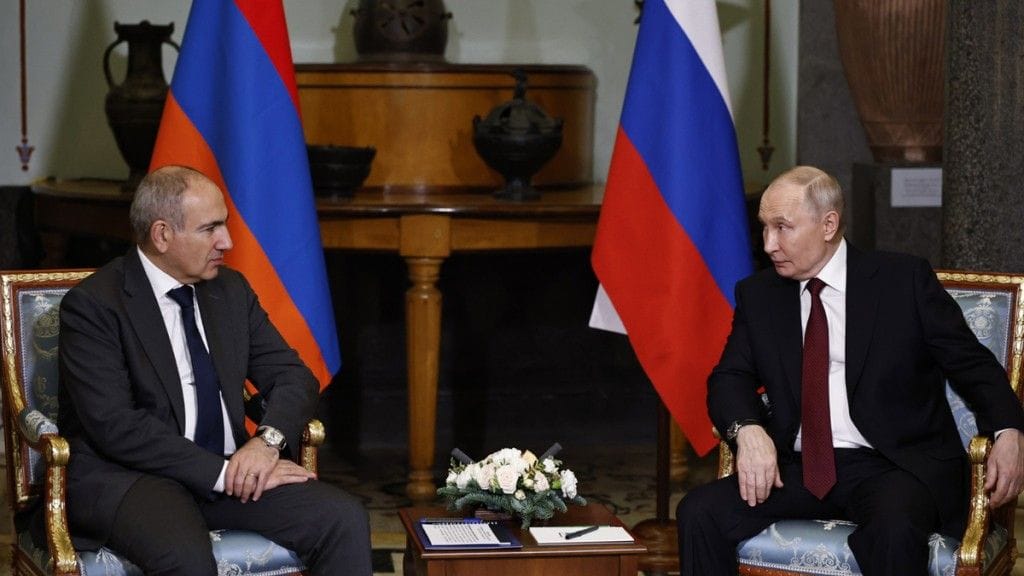
Armenia is gearing up for parliamentary elections scheduled on June 7, 2026, which are poised to be a significant political test following the 2018 "Velvet Revolution." The outcome will not only impact Prime Minister Nikol Pashinyan and his Civic Contract party's grip on power but will also shape the nation's foreign policy direction, especially regarding its contentious relationship with Azerbaijan and its strategic positioning between Russia and the West.
The elections come at a time when Armenia faces pressing challenges, including ongoing tensions with Azerbaijan over territorial disputes and the complex dynamics of its alliances. The performance of Pashinyan's government during recent conflicts and peace negotiations will be scrutinized by the electorate. Analysts will be watching how these factors influence voter sentiment and whether Pashinyan can maintain support amid potential shifts in public opinion regarding Armenia's foreign alliances.
Implications for Regional Security
The significance of these elections extends beyond Armenia's borders. The political direction taken by the next government will have ramifications for the peace process with Azerbaijan, which remains fragile. A shift in power could lead to reevaluations of existing agreements or alliances, potentially exacerbating regional tensions. Additionally, Armenia's balancing act between Western interests and Russian influence will be a critical factor in shaping its future security posture.
As the election date approaches, the implications of the political climate will be closely monitored by both regional stakeholders and international observers. This raises the question of how Armenia will navigate its relationships with both Russia and Western nations in light of the new government's policies and priorities. The outcome could redefine not only Armenia's domestic landscape but also its role in the broader geopolitical framework of the South Caucasus.
Sources: Defence24, The Christian Science Monitor, BBC, ABC News - Breaking News, Latest News and Videos, and Carnegie Endowment for International Peace