Army Explores Drone Tankers for MV-75 Cheyenne II Tiltrotors

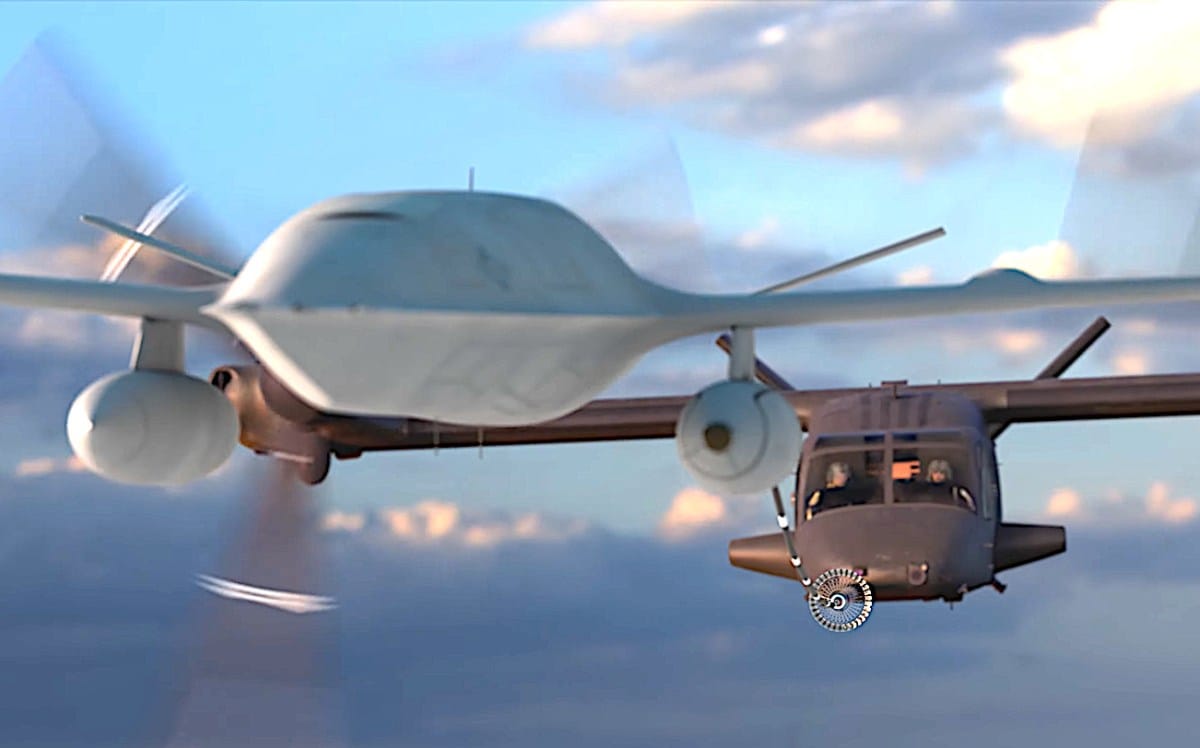
Future of Aerial Refueling
The U.S. Army is considering the integration of drone tankers to enhance the operational capabilities of its new MV-75 Cheyenne II tiltrotors. Drawing inspiration from the U.S. Navy's MQ-25 Stingray, which serves as an aerial refueling drone, this initiative aims to expand the reach and endurance of Army aviation assets. The potential deployment of drone tankers reflects an ongoing trend within military aviation to utilize unmanned systems for logistical support, thereby increasing operational flexibility.
As the Army continues to develop the MV-75 Cheyenne II, a tiltrotor aircraft designed for speed and versatility, the incorporation of drone refueling capabilities could significantly extend its range and mission profiles. The MQ-25 Stingray has demonstrated the efficacy of unmanned aerial systems in refueling roles, proving that these platforms can operate in contested environments while reducing risks to human pilots. Furthermore, by enabling in-flight refueling, the Army could enhance its rapid response capabilities and sustainment during extended operations.
Strategic Implications
The interest in drone tankers is not merely about enhancing the MV-75's capabilities; it reflects a broader shift in military strategy towards unmanned systems. With the increasing complexity of modern warfare, the ability to refuel aircraft remotely may provide a decisive advantage in both conventional and asymmetric conflicts. Adopting drone tankers could lead to a reconfiguration of air combat strategies, allowing for more dynamic engagement approaches.
Moreover, the Army’s exploration into drone tankers underscores a critical need for interoperability among different branches of the U.S. military. By leveraging proven technologies from the Navy's programs, the Army can ensure that its aviation assets are not only effective but also integrated into a larger joint operational framework. This initiative has the potential to reshape the landscape of aerial logistics and support, ultimately enhancing the Army's readiness and operational efficiency.
Sources: Twz, The War Zone, and Air Data News