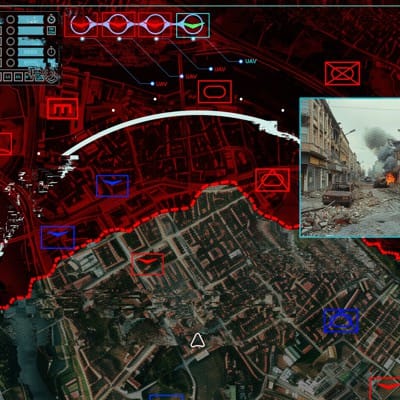
Army Unveils Newly Merged Futures and Training Command


Consolidation of U.S. Army Command Structure: A Strategic Shift
Overview of the Transformation
In a pivotal move to enhance operational efficiency, the U.S. Army plans to merge its Futures Command (AFC) with the Training and Doctrine Command (TRADOC), creating the Army’s Transformation and Training Command. This initiative, announced by Army Chief of Staff General Randy George during a recent hearing with the House Appropriations defense subcommittee, underscores the Army’s commitment to adapt its organizational framework in response to evolving threats.
This restructuring aligns with earlier announcements regarding extensive changes to command hierarchies and operational formations, all aimed at ensuring the Army remains prepared to counter both current and anticipated security challenges.
Strategic Implications of the Consolidation
The new command will be headquartered in Austin, Texas, maintaining the location of the current Futures Command. The establishment of AFC during the Trump administration marked a significant shift towards modernizing the Army by alleviating bureaucratic hurdles that previously impeded modernization efforts. General Mark Milley, the architect of AFC, aimed to streamline the requirements development process, which had been historically tangled within TRADOC alongside other critical areas such as training and recruitment.
- Key Objectives of the Transformation and Training Command:
- Integrate military doctrine with training methodologies.
- Enhance the Army’s responsiveness to technological changes in warfare.
- Foster innovation through a more agile command structure.
Evolution of Command Responsibilities
AFC originally focused on transforming the Army’s modernization by reallocating substantial resources to key investment areas such as long-range precision fires. Its formation represented an attempt to create a dedicated entity for addressing neglected requirements, enabling the Army to progress more swiftly in development and procurement cycles.
However, over time, AFC’s focus has shifted from immediate acquisition goals towards a broader advisory role that emphasizes long-term technological integration. This evolution indicates a growing need for adaptability and foresight in Army operations, as threats continue to diversify.
Challenges and Opportunities Ahead
While this new consolidation seeks to eliminate redundancies, it raises questions about the future roles of various existing institutions within both commands. Notably, uncertainty surrounds the status of the Combined Arms Center in Leavenworth, Kansas, and several Centers of Excellence, such as those located in Fort Sill and Fort Benning. As these institutions realign, it will be crucial to clarify their functions to prevent disruptions in training and operational readiness.
Key points of discussion include:
- Personnel Dynamics:
- AFC is currently staffed by approximately 17,000 personnel, while TRADOC comprises around 35,000.
- The Army aims to balance this workforce by reintroducing operational voices, such as junior officers and non-commissioned officers, into decision-making processes.
- Operational Efficiency:
- Army Secretary Daniel Driscoll highlighted the excessive bureaucratic barriers posed by the current acquisition workforce, advocating for a leaner and more responsive command structure.
Emphasizing Soldier-Centric Procurement
Army leadership is keen on bridging the gap between soldiers’ actual needs and the procurement process. By fostering direct connections between combat personnel and procurement strategies, the Army seeks to adopt a more adaptable and proactive approach to technology acquisition.
Drawing inspiration from venture capital models, the new command aims to implement a repetitive cycle of testing and innovation, aligning defense procurement with the rapid pace of technological advancement seen in the civilian sector.
In sum, the transformation of the U.S. Army’s command structure represents a strategic response to the complexities of modern warfare, aiming to streamline operations while enhancing readiness. This initiative will likely reshape how the Army adapts to future challenges, positioning it to maintain a decisive edge in an increasingly competitive global security landscape.