New Tactical Communications System for US Ground Troops Aims to Integrate Networks

Breaking Down Silos in Military Communications
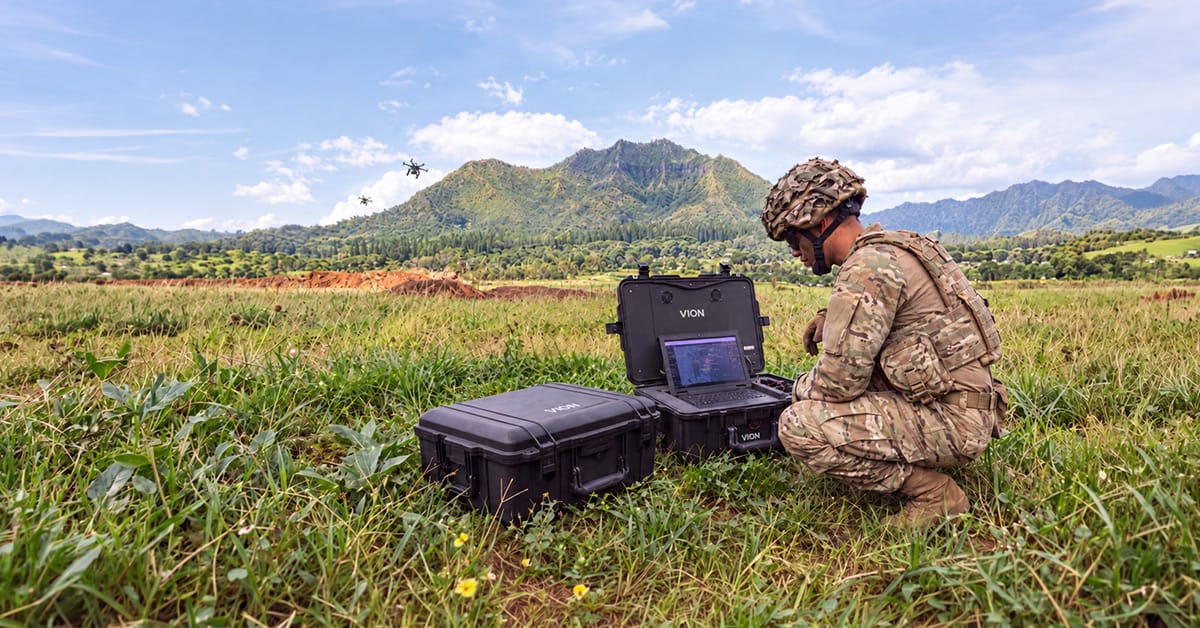
A new tactical communications system is being developed by the Pentagon for US ground troops, with the goal of breaking down decades of siloed networks and applications. This initiative comes at a critical time when the need for enhanced collaboration and data integration is paramount for effective military operations. A Pentagon official emphasized the urgency of this shift, stating, "We've spent the past 50 years building siloed networks, siloed applications and siloed environments to collaborate internally with our own data. We can no longer do that."
The move to a more integrated communications framework reflects ongoing recognition within the military that traditional methods of isolated data management hinder operational effectiveness. By facilitating seamless communication among units and enhancing data sharing capabilities, the new system aims to ensure that ground forces can respond more rapidly and effectively in dynamic operational environments. This approach aligns with modern military strategies that prioritize interoperability and rapid information flow across various platforms.
This initiative represents a significant shift in how military communications are structured, likely altering the dynamics of command and control on the battlefield. Ground troops will be better equipped to share real-time information, ultimately leading to improved situational awareness and decision-making. As military operations become increasingly complex, the ability to leverage integrated communications will be crucial for successful mission outcomes. The ramifications of this system extend beyond immediate tactical advantages; they will also influence future military doctrine and training as forces adapt to a more interconnected operational landscape.
Sources: Defensenews, Defense News, Army.mil, Military Times, and orfonline.org
Edited by Daniel Vazdar, Editor. How DEFCROS News reports, sources and corrects.