Army Unveils Cheyenne II: Its First Tiltrotor Aircraft

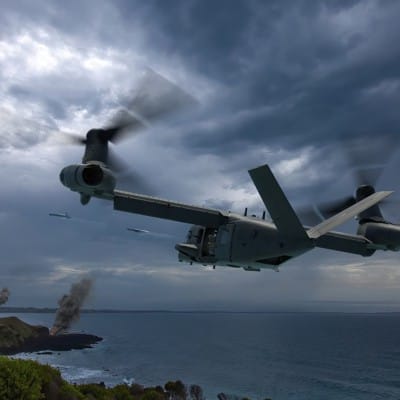
Introduction of the Cheyenne II
The U.S. Army has officially named its first tiltrotor aircraft, the MV-75, as the Cheyenne II. This announcement was made by the Army's Undersecretary Mike Obadal during the Army Aviation Warfighting Summit held in Nashville on April 15, 2026. The name pays homage to the Cheyenne tribe, whose members have a rich history of service in every major U.S. conflict, evolving from adversaries to a symbol of patriotic service and respect.
Historical Context and Development
The designation of Cheyenne II also acknowledges the Army's earlier Cheyenne project, a Vietnam War-era attack helicopter program that was terminated before production in 1972. Undersecretary Obadal noted that the naming convention reflects the Army's tradition where system names carry both history and expectations. The Cheyenne II has been in development for over a decade, originally conceptualized as the Future Long-Range Assault Aircraft within the Army's Future Vertical Lift program. Its prototypes, developed from Bell-Textron’s V-280 Valor, are set to be fielded for unit testing following an announcement by the Army's then-chief of staff, Gen. Randy George.
Why It Matters
The introduction of the Cheyenne II marks a significant milestone in the Army's modernization efforts, particularly in vertical lift capabilities. This tiltrotor aircraft is expected to enhance operational flexibility and effectiveness in various combat scenarios. The emphasis on honoring Indigenous heritage in naming airframes reflects a broader commitment to recognizing the contributions of diverse communities to the armed forces. As the Army progresses with testing and deployment, analysts will be watching closely to evaluate the Cheyenne II’s performance and integration into current operations.