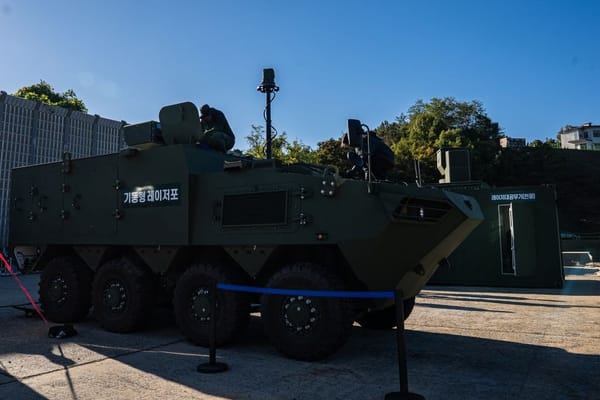
Army's Enduring Shield System and Global Air Defense Advancements

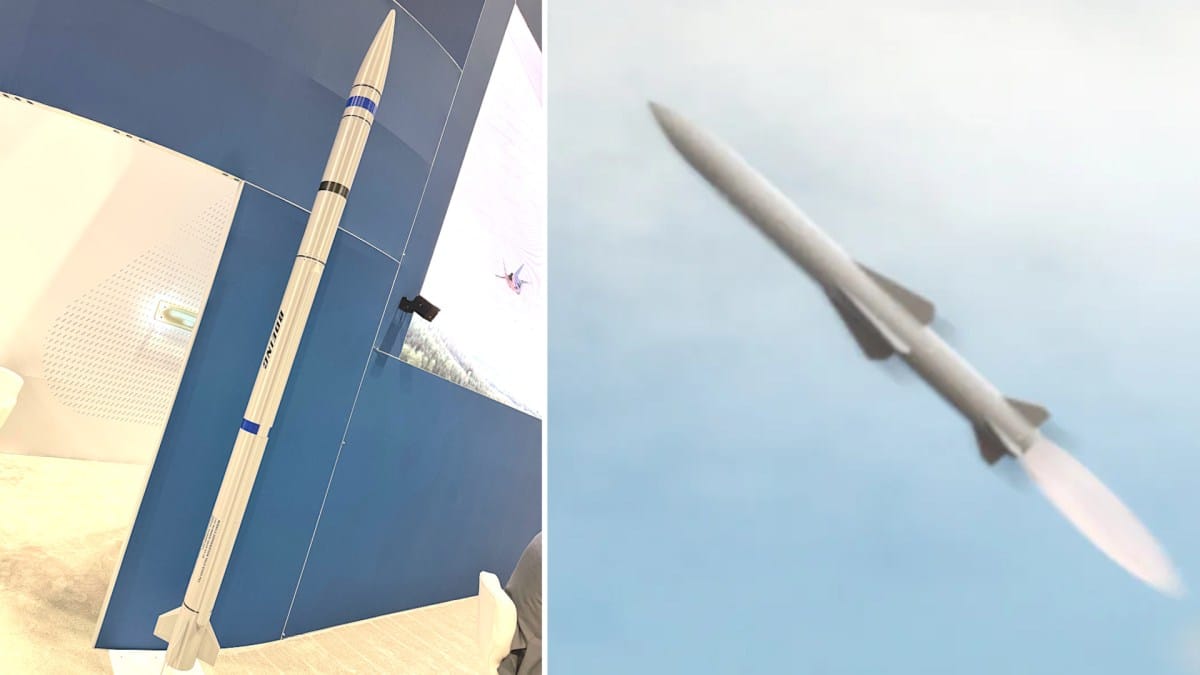
The U.S. Army is making significant strides in mid-range air defense capabilities with the introduction of the Enduring Shield system. This new system, paired with AIM-9X Sidewinders, marks the Army's first mid-tier anti-air interceptor in decades, enhancing its operational range and effectiveness against aerial threats.
Ukraine's Shershen SAM: Versatile Interceptor Capabilities
In parallel, Ukraine is advancing its air defense arsenal with the Shershen surface-to-air missile (SAM) system. Notably, this system features an open architecture that allows Kyiv to adapt and utilize a mix of air-to-air missiles as its inventory evolves. This flexibility could provide Ukraine with enhanced adaptability in countering various aerial threats.
Short-Range Solutions: U.S. Army's Stinger and Australia's NASAMS
The U.S. Army is also enhancing its short-range air defense tactics through the FIM-92 Stinger missiles. Airborne troops have successfully employed these man-portable missiles to target and destroy drones, reflecting a tactical shift to address the growing threat posed by unmanned aerial vehicles (UAVs).
Additionally, Australia has declared the NASAMS air defense missile system fully operational. This system is designed to protect deployed forces and key sites from a range of threats, including missiles, aircraft, and drones, and represents a significant investment in the country's air defense capabilities.
- U.S. Army: Enduring Shield system with AIM-9X Sidewinders for mid-tier defense.
- Ukraine: Shershen SAM with open architecture for flexible interceptor deployment.
- Australia: NASAMS system operational to protect against diverse aerial threats.
On the international front, the United Kingdom has committed approximately $135 million to support Ukraine's air defense efforts through NATO’s PURL. This funding is allocated for U.S.-made Patriot missiles and other air defense equipment, aimed at bolstering Ukraine's capabilities ahead of the winter season.
Lastly, the U.S. Army is accelerating the deployment of its PrSM Increment 2 anti-ship missile as part of its HIMARS and M270A2 launchers, utilizing a Rapid Fielding pathway. This move underscores the Army's focus on enhancing its maritime strike capabilities in an evolving global security environment.
As these developments unfold, defense professionals will need to closely monitor the implications of these advancements on regional stability and military readiness.
Sources: Twz, Armyrecognition, and Thedefensepost
Edited by Daniel Vazdar, Editor. How DEFCROS News reports, sources and corrects.