Assessing the Impact of Cuba's Military Capabilities on U.S. Operations in the Caribbean

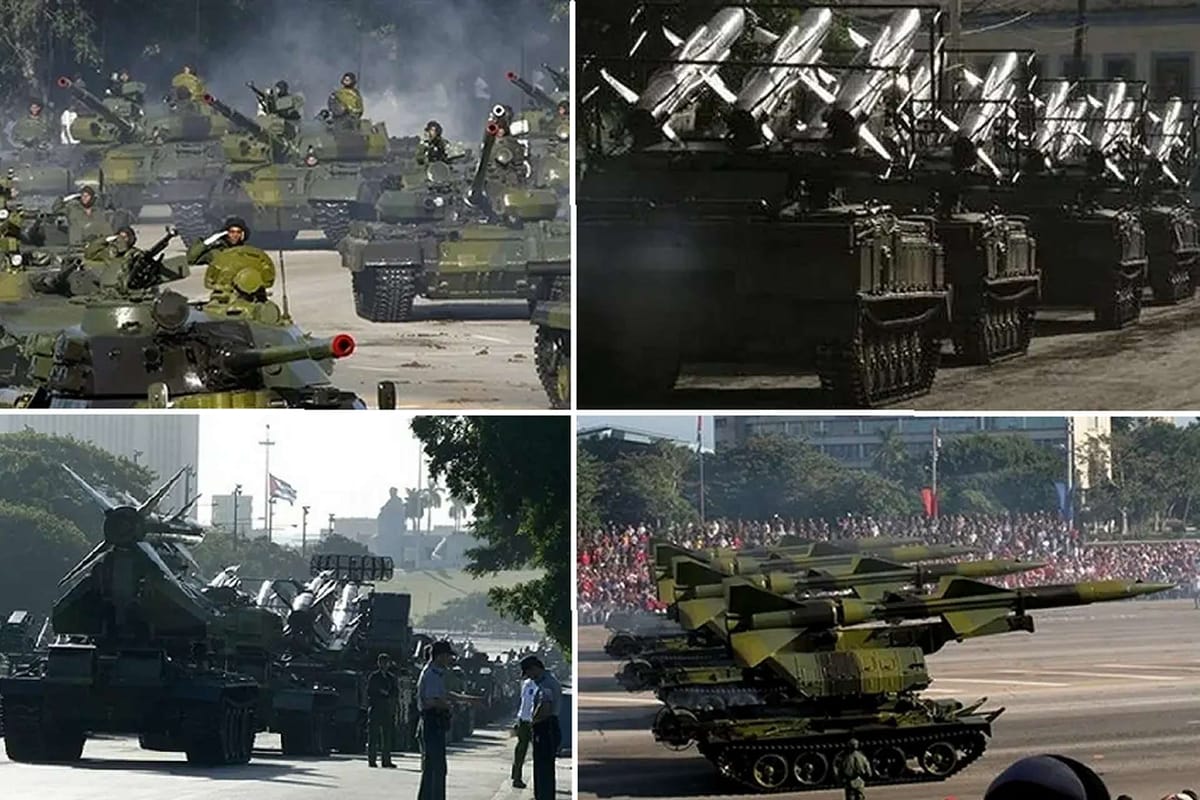
Cuba's Military Landscape
Cuba's military, although considered aging, retains certain capabilities that could pose challenges to U.S. operations in the Caribbean. Key assets include artillery, air defenses, naval mines, unmanned aerial vehicles (drones), and local defense forces, which may complicate U.S. strategic planning during a crisis in the region.
Strategic Implications
The presence of these elements underscores the potential for Cuba to disrupt U.S. military initiatives. Despite its Soviet-era equipment being outdated, the ability to deploy conventional artillery and air defense systems could still affect U.S. forces' operational effectiveness. Additionally, the use of mines in maritime environments may hinder naval maneuvers, while local defense forces could provide ground-level resistance against U.S. forces.
This situation raises concerns for U.S. planners who must navigate these challenges while formulating responses to regional crises. Understanding the capabilities and limitations of Cuba's military will be crucial for developing effective countermeasures and ensuring operational readiness in the Caribbean.
Why it Matters
The implications of Cuba's military capabilities are significant for U.S. defense strategy. As tensions in the region evolve, the U.S. must prioritize intelligence gathering and analysis of Cuba's military assets. The potential for these capabilities to disrupt U.S. operations highlights the need for enhanced readiness and adaptive strategies in the face of evolving threats. This vigilance will be essential for maintaining U.S. influence and security in the Caribbean.
Sources: Armyrecognition, Substack, Key Aero, Newsweek, and CBS News