Assessing the Impact of Operation Epic Fury on U.S. Air Power

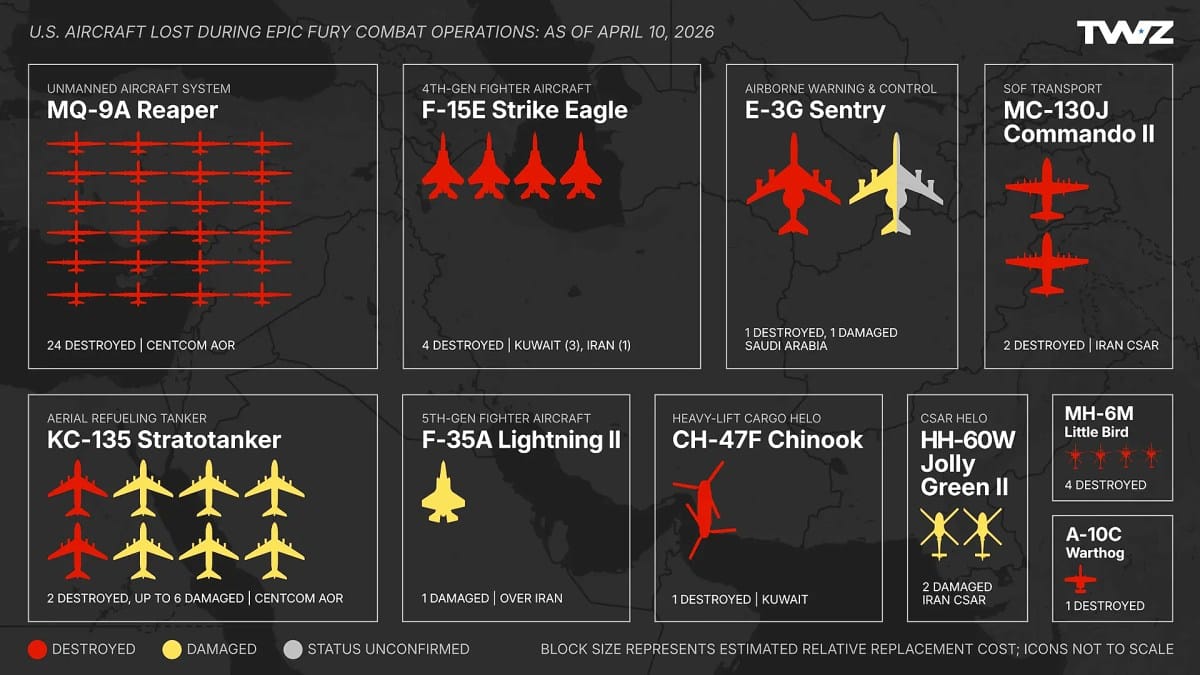
The ongoing conflict in Iran, dubbed Operation Epic Fury, has dramatically reshaped the landscape of U.S. military aviation. With nearly six weeks of active engagement, the American forces have faced significant operational challenges, leading to a troubling tally of aircraft losses and straining the already critical tanker fleet. Understanding these dynamics is essential for future strategic planning and readiness.
What Happened
As Operation Epic Fury unfolded, the U.S. military experienced a series of aircraft losses that have raised alarms within defense circles. Current estimates indicate that:
- A minimum of 20 aircraft have been confirmed lost, with additional reports suggesting that this number could rise as more data becomes available.
- Types of aircraft affected include tactical fighters, bombers, and support platforms vital for sustained operations.
- The losses are attributed to a combination of hostile actions, mechanical failures, and the challenges of operating in a high-threat environment.
These losses not only diminish the immediate operational capability but also pose long-term implications for the U.S. air fleet, as maintaining readiness and morale becomes increasingly challenging.
The Strain on the Tanker Force
Retired Colonel Troy Pananon, a veteran KC-135 base commander, has provided insights into the operational strain that Epic Fury has placed on the U.S. tanker fleet. The KC-135, a critical enabler for air operations, is currently facing:
- Increased operational tempo, resulting in wear and tear on aircraft and personnel.
- A shortage of trained maintainers, exacerbated by the ongoing demand for deployed forces.
- Challenges in sustaining fuel logistics under heightened operational pressures and the potential for counter-strikes.
This situation raises critical questions about the sustainability of air operations without adequate tanker support, especially as the conflict continues to evolve.
The Bigger Picture
The ramifications of Operation Epic Fury extend beyond immediate losses. The U.S. military must reassess its air power strategy, considering the following factors:
- **Strategic Readiness**: The current losses indicate a need for increased investment in maintenance and modernization of aircraft, particularly those in high-demand roles.
- **Force Structure**: As losses mount, the Pentagon may need to reconsider its allocation of aircraft and personnel, potentially shifting focus towards more resilient platforms.
- **Training and Simulation**: Enhancing training programs for both aircrews and ground support personnel is essential to mitigate future risks and ensure operational effectiveness.
As the operation progresses, the need for a robust and resilient air refueling capability will be paramount for sustaining air operations in high-threat environments. The lessons learned from Operation Epic Fury will likely shape future U.S. military engagements and resource allocation strategies.