Australia’s Ghost Shark Undersea Arsenal Expands with New Payload Capabilities

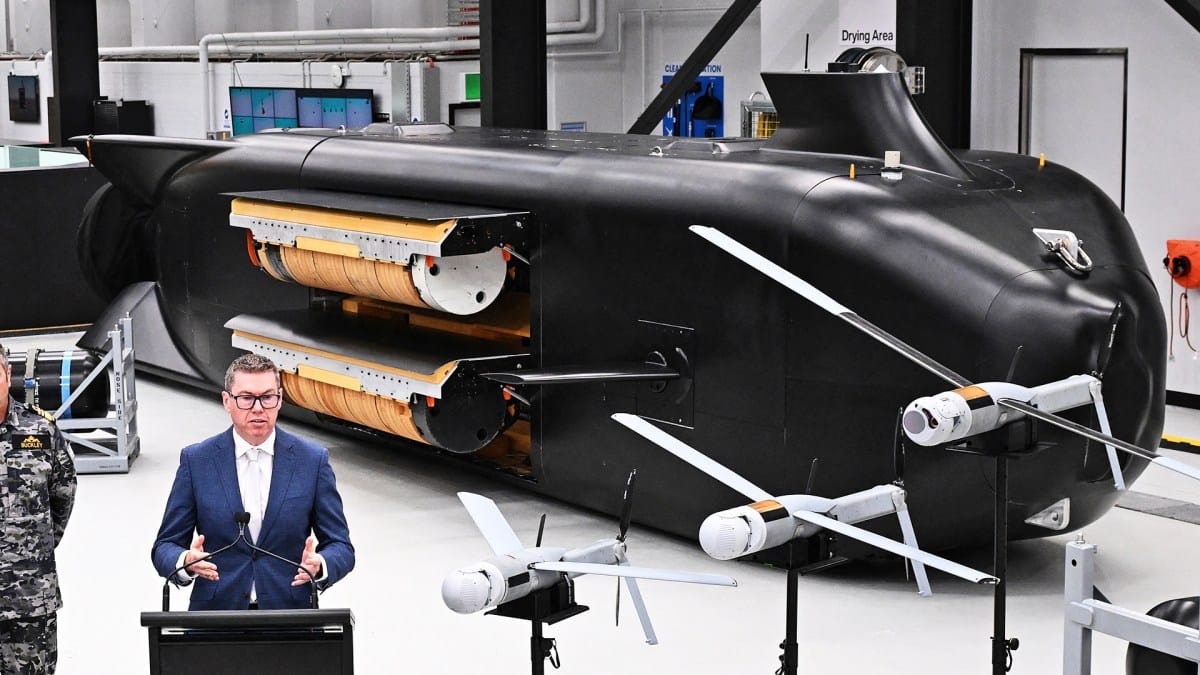
Australia is advancing its undersea warfare capabilities with the introduction of the Ghost Shark Extra-Large Uncrewed Underwater Vehicles (UUVs), which have been designed to enhance operational versatility in maritime environments. The Ghost Shark vehicles are set to play a pivotal role in Australia’s evolving military strategy, allowing for a range of tactical applications that were previously unfeasible.
Expanded Tactical Options with Ghost Shark
The Ghost Shark UUVs will be equipped to:
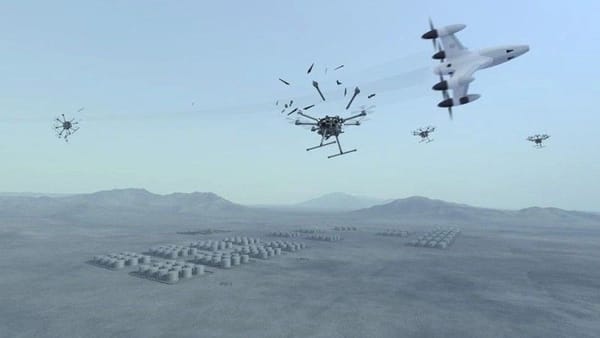
- Deploy aerial drones
- Lay mines
- Execute seabed resupply missions
This broad array of capabilities underscores a significant shift in how Australia intends to utilize unmanned systems in its naval operations, enabling more complex missions without risking crewed vessels.
Uncrewed Submarine Developments in the U.S. and U.K.
In parallel, the U.S. and U.K. have recently achieved a notable milestone by successfully firing torpedoes from uncrewed submarines. This development opens up new tactical possibilities, filling existing gaps in traditional submarine coverage and potentially transforming naval engagement strategies.
These UUVs, capable of launching attacks on other vessels, illustrate a growing trend towards automation in naval warfare, enhancing the strategic depth of both nations' fleets.
Strategic Implications for Maritime Security
The integration of systems like the Ghost Shark into military arsenals reflects a broader trend towards unmanned systems in defense. As nations look to bolster their maritime security, the following points are critical:
- Enhanced Deterrence: The ability to deploy UUVs for surveillance and offensive operations may deter adversaries from aggressive maritime actions.
- Cost-Effective Operations: UUVs reduce the risk to human life and can operate in hostile environments more effectively, potentially lowering operational costs.
- Increased Operational Tempo: The versatility of UUVs allows for sustained operations in contested waters, supporting traditional naval assets.
The ongoing developments in UUV technology and deployment strategies in both Australia and allied nations signal a shift in naval warfare dynamics, where unmanned systems will likely play a central role in future maritime conflicts.
Sources: Twz, NavalToday, Defence Connect, and Baird Maritime
Edited by Daniel Vazdar, Editor. How DEFCROS News reports, sources and corrects.