Autonomous Missions and Tactical Transport: Recent Developments in US and Thai Air Forces

The landscape of military aviation is shifting as both the United States and Thailand make significant advancements in their air capabilities. The U.S. Air Force is embracing autonomous systems, while Thailand is bolstering its transport fleet. These developments reflect a broader trend in defense modernization and strategic readiness.
What happened
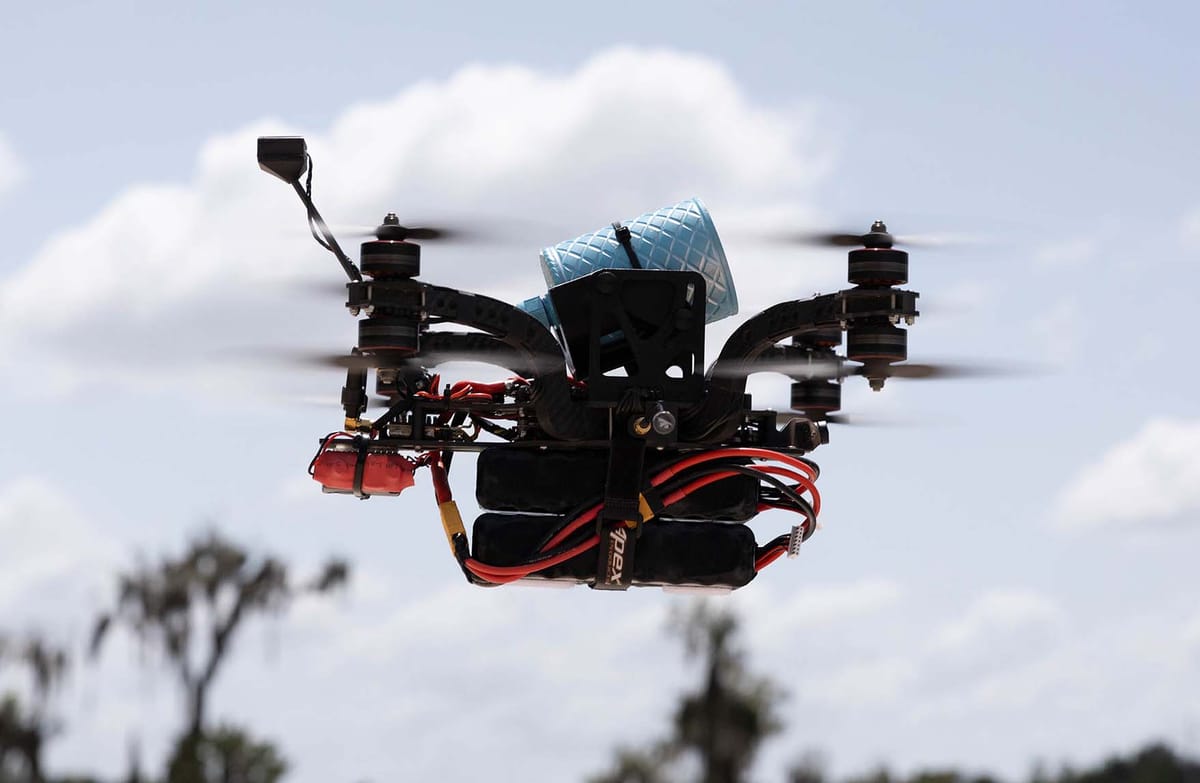
AEVEX has recently secured contracts worth $15.6 million to support the U.S. Air Force's autonomous aircraft missions and airborne system integration efforts. This initiative underscores the growing focus on integrating cutting-edge technologies into military operations, particularly in the realm of autonomous systems.
In parallel, Thailand has ordered two additional Airbus C295 transport aircraft, expanding its fleet to five. This move enhances the Royal Thai Air Force's logistical capabilities, demonstrating a commitment to strengthening its operational readiness and support for various missions.
The strategic calculus
The U.S. Air Force's investment in autonomous missions is part of a broader strategy to leverage technology for increased efficiency and effectiveness in operations. By integrating autonomous systems, the Air Force aims to enhance mission capabilities while potentially reducing risks to personnel. Analysts will be watching how this investment will influence future air operations and whether it will lead to further advancements in unmanned technology.
On the other hand, Thailand's expansion of its C295 fleet signifies a strategic response to evolving regional dynamics. The C295 is known for its versatility in transport roles, and increasing the number of these aircraft allows Thailand to enhance its humanitarian assistance and disaster relief capabilities while also being prepared for various military missions.
Industry fallout
- AEVEX's contract win reflects a competitive defense contracting landscape, particularly in the realm of technological integration.
- Thailand's acquisition of additional C295 aircraft may prompt neighboring countries to reassess their own defense capabilities and procurement strategies.
- The emphasis on autonomous systems by the U.S. could drive further investments in related technologies from both government and private sectors.
As both nations advance their air capabilities, the implications for regional and global security dynamics are significant. The U.S. commitment to autonomous missions may set a precedent for other nations to follow suit, while Thailand's fleet expansion could alter the balance of power in Southeast Asia. These developments highlight the ongoing evolution of air force capabilities in response to contemporary security challenges.
Sources: Thedefensepost and Aerospace Global News