Belarus Remains a Key Challenge for EU Foreign Policy and Regional Stability

Strategic Importance of Belarus
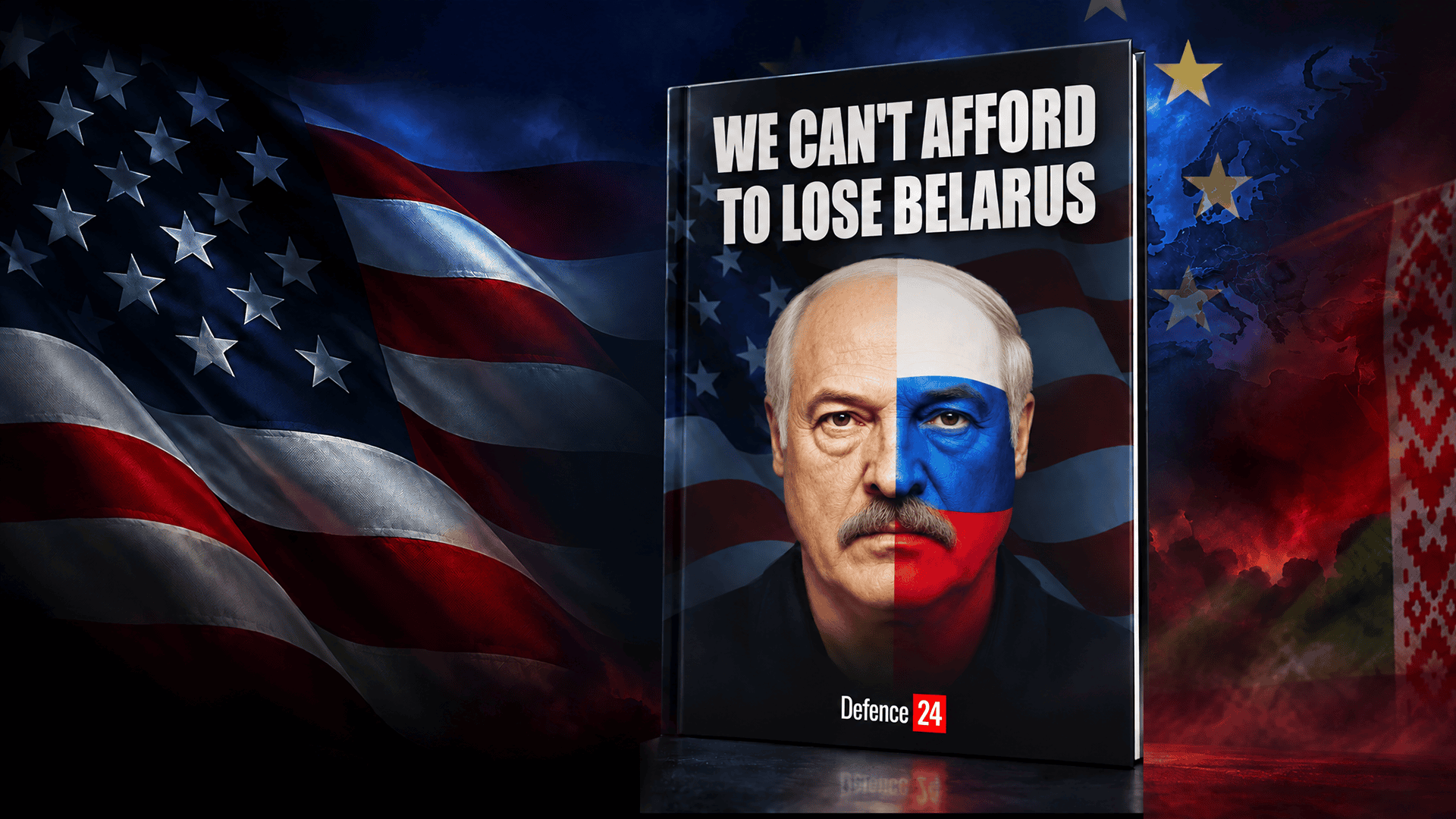
As tensions rise in Eastern Europe, Belarus presents a formidable challenge for the European Union's foreign policy framework. Alexander Lukashenko's regime, while structurally dependent on Moscow, retains a limited degree of autonomy, which he occasionally leverages to indicate a willingness for pragmatic dialogue with Western nations. This duality complicates the EU's strategy towards Belarus, necessitating a nuanced approach to engage with a country that is both a buffer and a frontline state against Russia's influence.
Poland, sharing a border with Belarus, is particularly invested in the outcomes of this relationship. The EU's neglect of Belarus over the years has allowed for a growing Russian presence in the region, further destabilizing the security landscape. The dependency of Belarus on Russia for economic and military support underscores the critical need for the EU to reassess its tactics and objectives in dealing with Minsk.
Potential Consequences of Engagement
The implications of failing to effectively engage Belarus could be significant, not just for the EU but for regional stability as a whole. If Lukashenko successfully navigates his relationship with both Moscow and Western powers, it could embolden other nations in the region to adopt similar strategies, weakening EU influence. Therefore, a proactive approach is essential to prevent further erosion of the EU's position in Eastern Europe and to maintain stability in a region that is already under strain.
Sources: Defence24, European Council on Foreign Relations, theconversation.com, theins.press, and The Guardian
Edited by Daniel Vazdar, Editor. How DEFCROS News reports, sources and corrects.