Belgian F-16AM Engages Counter-Drone Capabilities with FZ275 Rockets


Operational Test of Laser-Guided Rockets
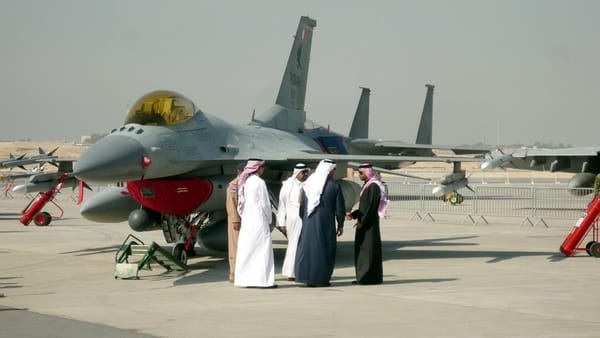
A Belgian Air Force F-16AM fighter jet has successfully fired FZ275 laser-guided rockets to evaluate their effectiveness against drones. This operation underscores Belgium's commitment to enhancing its counter-drone capabilities amid the growing threat posed by unmanned aerial systems (UAS).
The FZ275 rockets are designed to improve precision targeting and reduce collateral damage when engaging aerial threats. The use of laser guidance in these rockets allows for increased accuracy, which is crucial in complex operational environments where civilian presence may be high. The test reflects a broader trend among NATO allies to adapt and modernize their aerial capabilities in response to emerging threats.
Context and Strategic Implications
As drone technology becomes more accessible, military forces worldwide are increasingly recognizing the need to develop robust countermeasures. The Belgian Air Force's testing of the FZ275 rockets is a proactive step in this direction, aiming to ensure that its forces remain prepared to engage hostile UAS effectively. This test not only demonstrates Belgium's focus on enhancing its tactical capabilities but also illustrates the evolving nature of aerial warfare, where traditional air-to-air combat is complemented by new technologies.
Additional tests and evaluations are expected to refine these capabilities further, as NATO members seek to standardize their approaches to drone warfare. The implications of this testing extend beyond Belgium, as it may influence collective defense strategies within NATO, particularly regarding air superiority and the integration of advanced weapon systems.
Why it matters: The successful engagement of drone threats using FZ275 rockets highlights a significant advancement in Belgian military operations. Analysts will be watching how this capability evolves and whether it prompts similar initiatives among NATO allies. The emphasis on precision and reduced collateral damage may also shape future procurement and operational strategies within the alliance.
Sources: Thedefensepost, The Aviationist, Defensemirror.com, Army Recognition, and Мілітарний