Boeing Exits Competition for Navy's T-45 Jet Trainer Replacement

Overview of the Competition
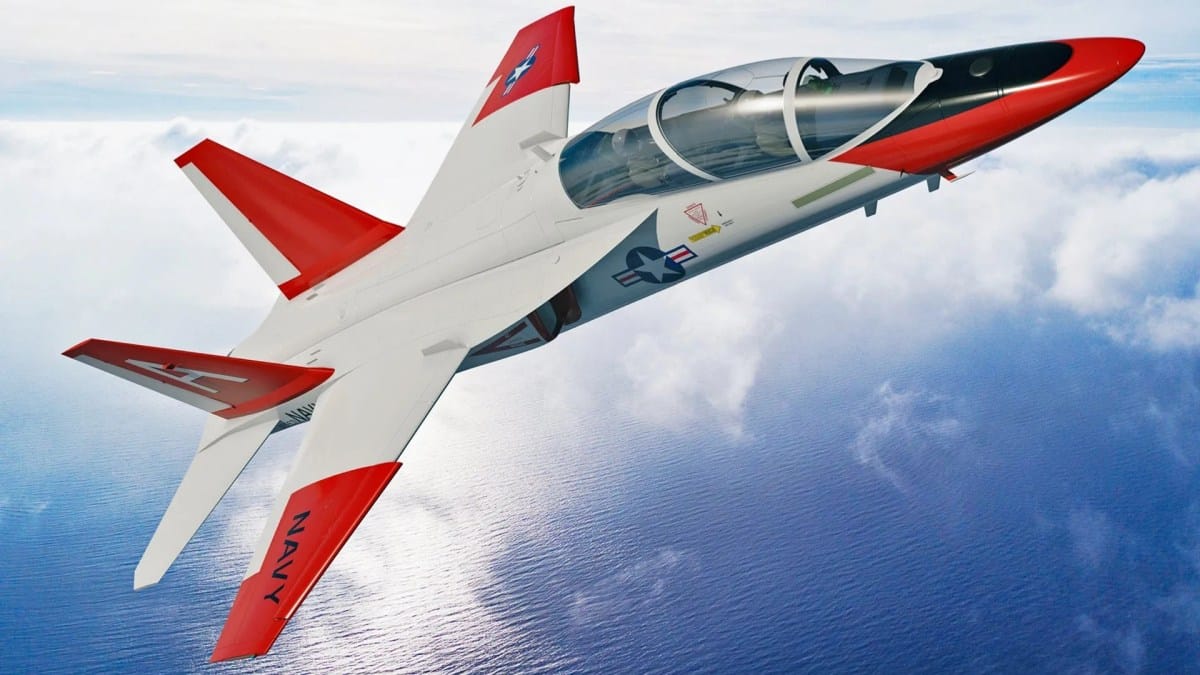
The competition to replace the Navy's T-45 jet trainer has become more streamlined following Boeing's exit from the bidding process. As of now, only two teams remain in the running, both of which are proposing twin-engine designs. This development marks a significant shift in the landscape of military aviation training, as the need for a modernized trainer is critical for preparing naval aviators.
Context and Analysis
Boeing's withdrawal from the competition raises questions about its strategic priorities and the challenges it faces in the defense contracting space. The remaining teams will likely intensify their efforts to secure the contract, which is crucial for the Navy's future training capabilities. Twin-engine aircraft are often favored for their enhanced performance and safety features, making them suitable for the rigorous demands of military training.
The Navy's decision to focus on twin-engine designs suggests a preference for aircraft that can fly in a wider range of conditions and offer greater operational flexibility. This emphasis aligns with broader trends in military aviation, where capabilities such as survivability and versatility are increasingly prioritized. Analysts will be closely monitoring how the remaining competitors adapt their proposals in response to this evolving landscape.
Why It Matters
The implications of Boeing's exit extend beyond the immediate competition. With fewer competitors, the remaining teams may have increased leverage in negotiations with the Navy. This situation could impact the timeline and budget of the T-45 replacement program. As the Navy seeks to enhance its training infrastructure, maintaining a robust competition is essential for ensuring that the service receives the most advanced and capable trainer possible. The ongoing developments will be critical for stakeholders as they assess the future of naval aviation training.
Sources: Twz, Key Aero, Aerospace Global News, The War Zone, and AVweb