
Britain’s Final Attempt to Destroy Argentina’s Super Étendards During Falklands War

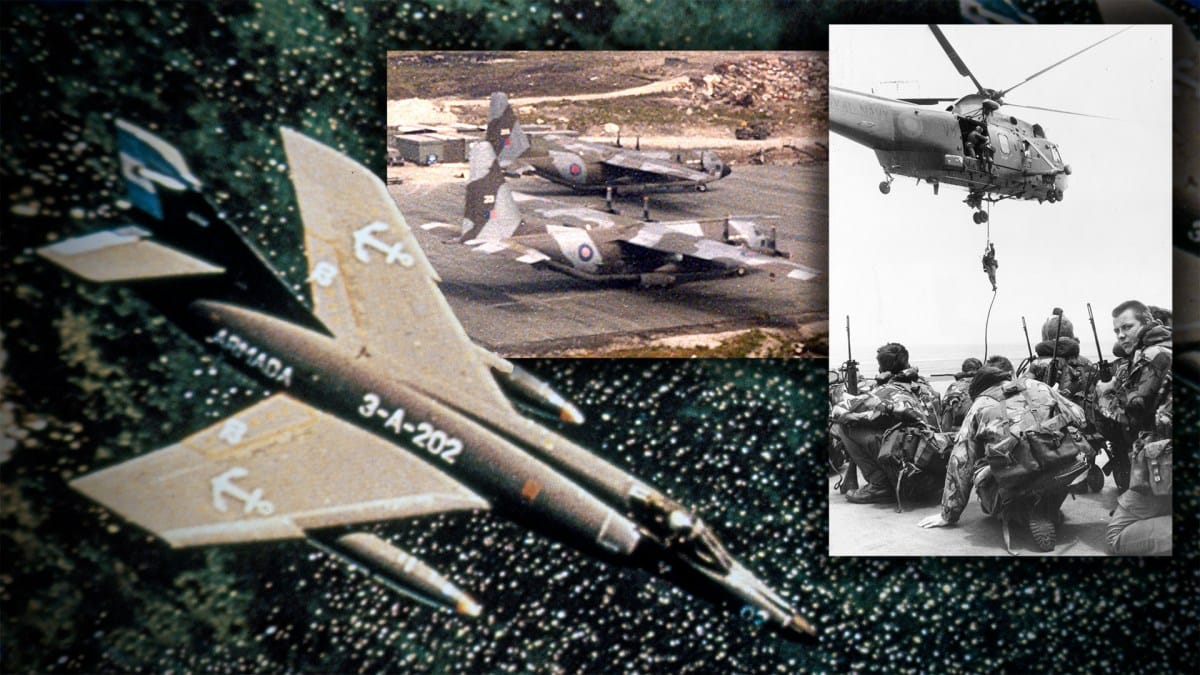
Background on the Falklands Conflict
The Falklands War between Britain and Argentina saw intense aerial engagements, particularly concerning Argentina's Super Étendards, which were equipped with Exocet anti-ship missiles. These jets posed a significant threat to British naval forces during the conflict. The British military's strategic focus was on neutralizing this aerial threat to ensure the safety of their ships and personnel in the region.
Details of the British Operations
In the aftermath of the fighting, Britain was still actively planning its final operations against the Super Étendards. Reports indicate that a last bid to destroy these combat jets was still in rehearsal just a day after a ceasefire was declared. This highlights the urgency and determination of the British forces to eliminate any lingering threats posed by Argentina’s air capabilities, particularly those armed with Exocet missiles.
The continued planning for this operation underscores the significance placed on air superiority and the desire to mitigate any future risks from Argentina's military assets. It reflects a broader tactical approach where even post-conflict, efforts to neutralize threats were prioritized.
This development signifies a critical moment in the Falklands War, emphasizing Britain's commitment to ensuring the safety of its naval operations. The implications of such military planning extend beyond the immediate conflict, shaping future military strategies and international relations in the region. The lingering threats from Argentina's military assets would remain a pivotal point of concern for British defense policymakers long after the conflict ended.
Sources: Twz, MiGFlug, U.S. Naval Institute, and The National Interest
Edited by Daniel Vazdar, Editor. How DEFCROS News reports, sources and corrects.