Canada Asserts Arctic Autonomy Under Prime Minister Carney

Strengthening Arctic Defense
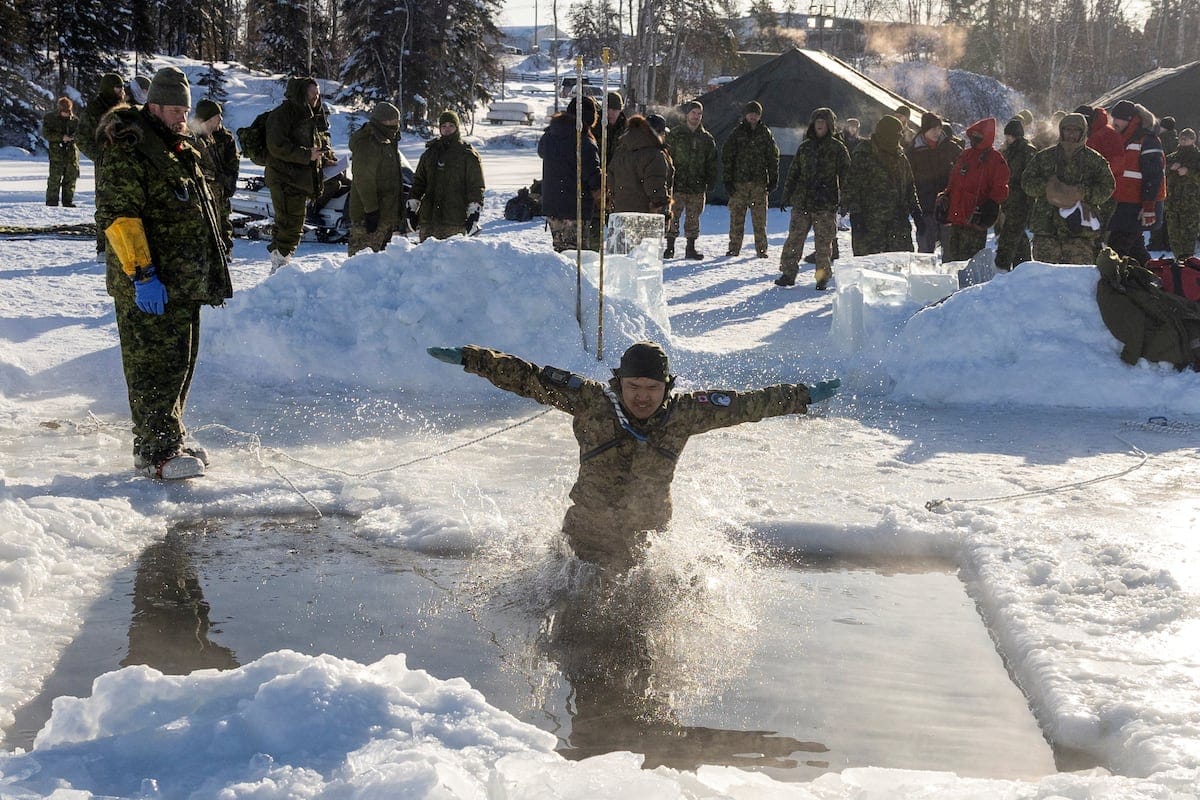
Canada is making significant strides to bolster its Arctic defense capabilities, as Prime Minister Mark Carney has expressed a commitment to ensure that the nation can protect its Arctic territories independently. This initiative emphasizes Canada's intention to operate without reliance on external support, highlighting a shift in defense policy regarding the increasingly strategic Arctic region.
With the Arctic becoming a focal point of geopolitical tension and economic interest, Carney's vow comes at a critical time. The region is witnessing heightened activity from various nations, raising concerns about sovereignty and security. In this context, the Canadian military aims to demonstrate its ability to conduct operations autonomously, reflecting a broader trend among Arctic nations to enhance their national defense strategies.
Implications for North American Security
This development underscores a significant shift in Canada's approach to its Arctic security. By prioritizing self-sufficiency, Canada is likely to increase its military readiness and capabilities in the region, which could affect dynamics with other Arctic stakeholders. The emphasis on independent operations may prompt neighboring countries to reassess their own military postures and alliances in the Arctic.
Why it matters: The implications of this strategic pivot are profound. As Arctic territories become increasingly contested, Canada’s commitment to self-reliance could influence future defense collaborations within North America. Analysts will be watching to see how this policy impacts bilateral relations with the United States and other allies, particularly in joint operations and intelligence-sharing initiatives. This move could also signal a new phase in Arctic geopolitics, warranting close observation from defense professionals.
Sources: Defensenews, Defense Security Monitor, visiontimes.com, CBC, and National Security Journal