Canada’s Strategic Move into the GCAP Fighter Program and Technological Advances in Engine Maintenance

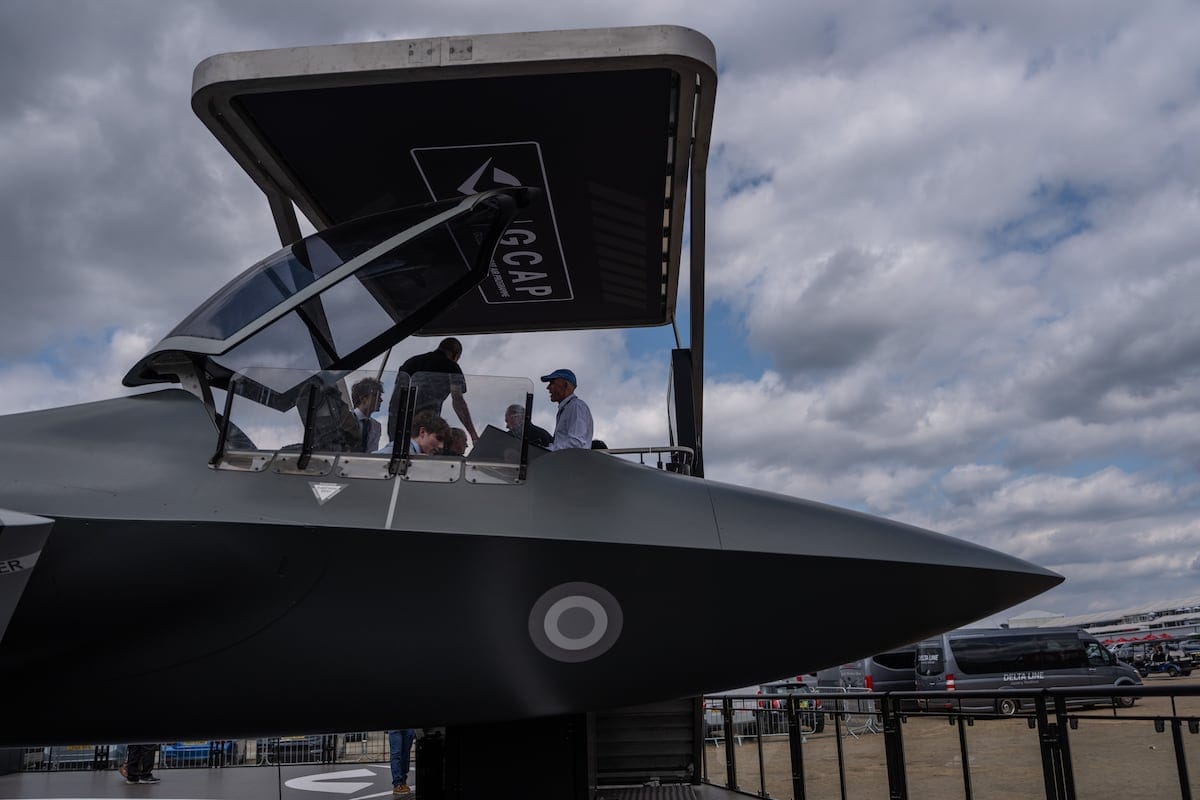
In a notable development for international defense collaboration, Canada has joined the Global Combat Air Program (GCAP) as an observer. This initiative, spearheaded by Britain, Italy, and Japan, aims to develop a next-generation fighter jet, marking Canada's first involvement in the program. The inclusion of Canada as an observer reflects a strategic expansion that could influence the dynamics of air defense collaboration among allied nations.
What happened
The GCAP fighter program is designed to modernize and enhance air combat capabilities, fostering cooperation among key allies. By joining as an observer, Canada is positioning itself to leverage technological advancements and strategic insights shared among the founding nations. The decision underscores Canada's commitment to participating in collective defense initiatives and advancing its military capabilities.
The strategic calculus
The strategic implications of Canada's involvement in the GCAP program can be assessed through several lenses:
- Integration with Allies: Canada’s participation strengthens its ties with the UK, Italy, and Japan, enhancing interoperability in joint operations.
- Access to Technology: As an observer, Canada will gain insights into cutting-edge developments in fighter aircraft technology which can enhance its own defense capabilities.
- Future Participation: Observing the program may pave the way for Canada to become a full participant in future phases, potentially influencing design and operational requirements.
This move raises questions about how Canada will integrate its existing defense frameworks with new capabilities introduced through the GCAP program. Analysts will be watching closely for any shifts in Canadian defense policy that may arise from this engagement.
Industry fallout
In parallel to the geopolitical shifts, advancements in military technology continue to gain momentum. Pratt & Whitney has announced the integration of AI engine inspection software aimed at accelerating maintenance processes for F-35 and commercial engines. The new technology promises:
- Faster defect detection.
- Increased efficiency in maintenance operations.
- Enhanced reliability of fighter jet engines.
This innovation aligns with broader trends in defense technology where artificial intelligence is increasingly utilized to streamline processes and improve operational readiness. The implications for the GCAP program could be significant, as enhanced engine performance and maintenance capabilities are critical for the next-generation fighter jets being developed.
As Canada steps into the observer role in the GCAP, its actions and the subsequent industry advancements will be closely monitored by defense professionals worldwide, shaping future collaborative efforts in air defense.
Sources: Defensenews, Thedefensepost, Reuters, The Defense Post, Latest news from Azerbaijan, and GOV.UK