Central and Eastern Europe's Rising Influence Amidst Russia's Strategic Failures

Geopolitical Shifts in Europe
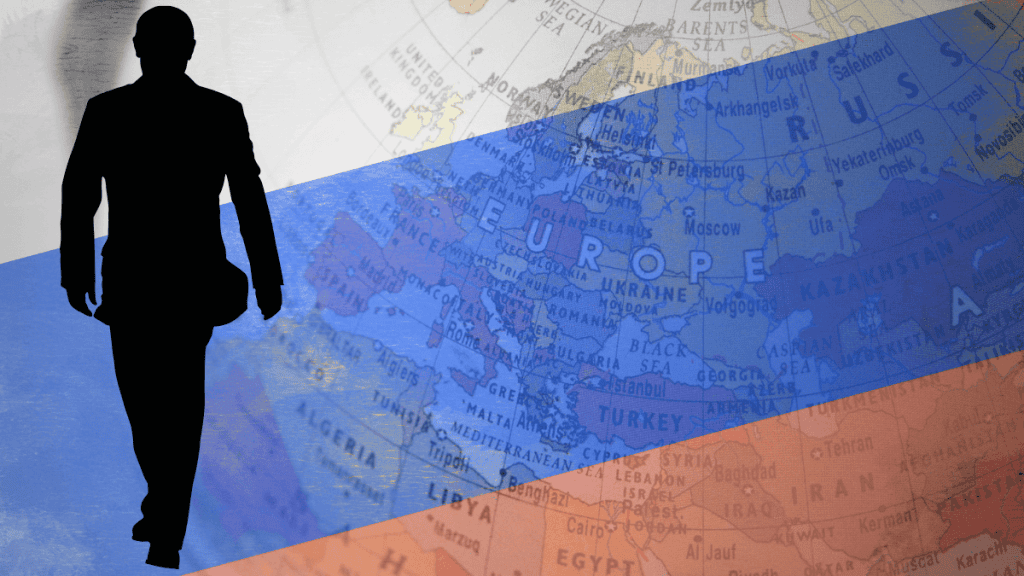
The strategic failure of Russia in Ukraine has led to a significant geopolitical shift in Central and Eastern Europe, as the region's nations increasingly assert their roles in shaping the continent's future. This transformation is particularly relevant in the context of the ongoing conflict, which has galvanized a sense of unity and purpose among these nations.
The emancipation of Central and Eastern Europe from historical dependencies has positioned these countries to engage with broader European and global security dynamics. With Russia's aggressions prompting a reevaluation of defense strategies, these nations are now more vocal in their demands for security guarantees and support from Western allies. This situation has been described as a strengthening of the region's voice, as Central and Eastern European leaders work collaboratively to enhance their influence on European policy-making.
Implications for European Security
As Central and Eastern Europe continues to assert its geopolitical stance, the implications for European security are profound. The region's newfound confidence may lead to increased investments in defense capabilities and a push for more robust collective defense mechanisms within NATO. The ongoing challenges posed by Russia's military ambitions may also foster deeper military cooperation among these nations and their allies.
This raises the question of how Western powers, particularly the United States under President Trump, will respond to these developments. The potential for a more unified Central and Eastern Europe could shift the balance of power in Europe, necessitating a recalibration of defense strategies among NATO member states. Analysts will be watching closely to see how this evolving landscape might influence future diplomatic and military engagements across the continent.
Sources: Defence24, New Eastern Europe, CIRSD, GIS Reports, and Clingendael