Challenges and Innovations in US Special Operations Equipment and Intelligence Delivery

As the technological landscape continues to evolve rapidly, US Special Operations Command (USSOCOM) faces both frustration and opportunity. While leaders express discontent over outdated equipment that relies on external manufacturers for upgrades, they simultaneously advance efforts to enhance intelligence delivery to troops in the field.
What Happened
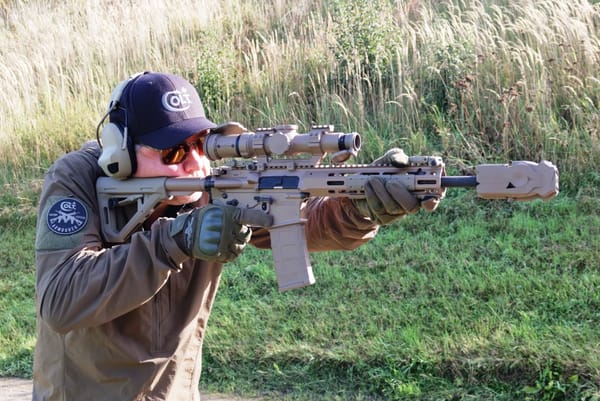
USSOCOM leaders have raised concerns regarding their inability to modify equipment independently, leading to a reliance on manufacturers to address necessary updates. This situation leaves special operations forces with outdated capabilities at a time when technological innovation is critical. The operational impact of this limitation is significant, as special operators require cutting-edge tools to maintain their edge in complex environments.
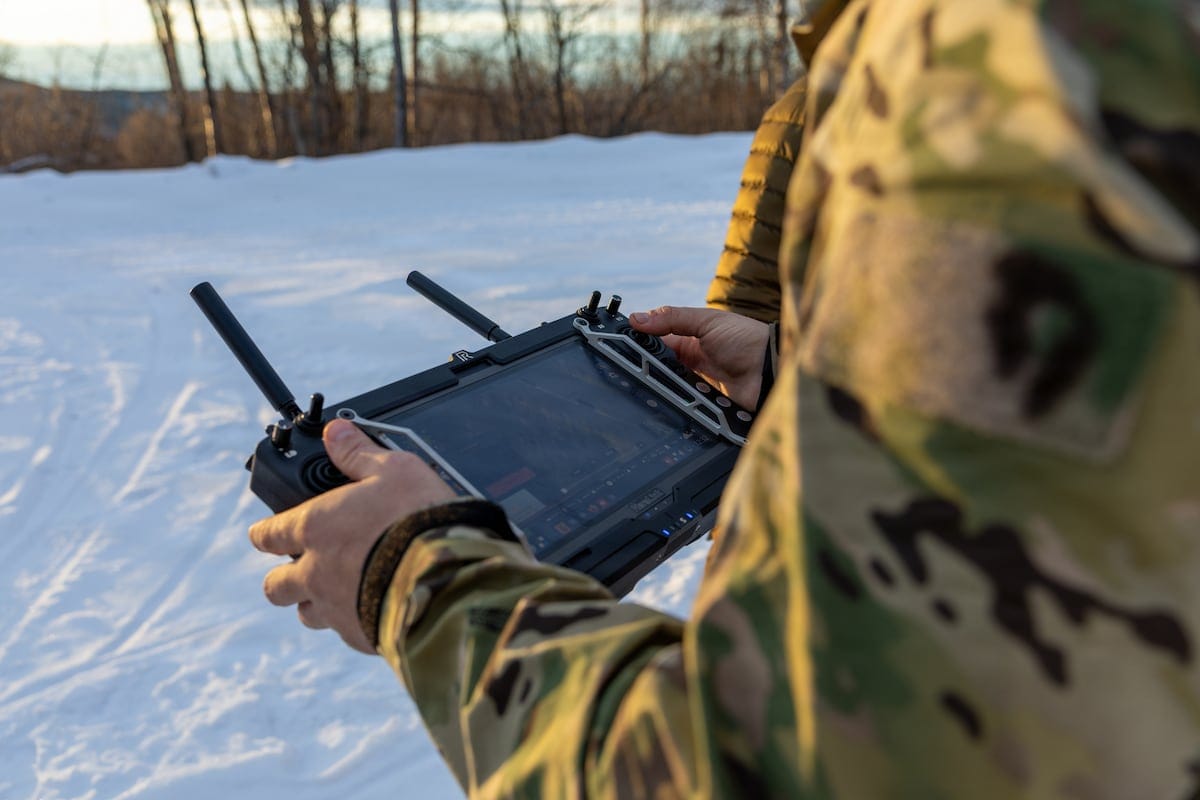
In a contrasting development, USSOCOM has initiated a prototype project with SkyFi, aiming to expedite the delivery of satellite imagery and geospatial data directly to troops at the tactical edge. This pilot program reflects a proactive approach to harness modern technology and improve operational effectiveness.
The Strategic Calculus
The juxtaposition of these two developments underscores a broader challenge within military operations:
- Dependence on manufacturers for equipment upgrades hampers agility.
- Rapid technological advancements in the commercial sector outpace military adaptations.
- There is a growing need for real-time intelligence to inform tactical decision-making.
With USSOCOM's collaboration with SkyFi, the potential for enhanced situational awareness and timely intelligence gathering could provide a vital counterbalance to the frustrations surrounding equipment modifications. This raises the question of whether similar partnerships could help bridge the gap between outdated hardware and the pressing demands of modern warfare.
On the Ground
As special operations forces test new satellite intelligence delivery systems, the implications for operational success could be profound. The ability to receive critical data swiftly may enable troops to respond more effectively to evolving threats. The integration of faster intelligence delivery is particularly crucial in environments where timeliness can dictate the success or failure of missions.
The ongoing dialogue between equipment limitations and innovative solutions highlights the need for a more agile approach to military procurement and technology integration. Analysts will be watching closely to see how these initiatives unfold and whether they lead to significant improvements in operational capabilities for USSOCOM.
Sources: Defensenews, Thedefensepost, and SOFREP