Chemical Weapons Watchdog Welcomes Syria Back Amid Shift in Dynamics

Significant Change in Circumstances
The world’s chemical weapons watchdog has taken the notable step of reinstating Syria, citing a significant change in circumstances since the fall of Bashar al-Assad. This development underscores an evolving landscape regarding international compliance and accountability in chemical weapons disarmament.
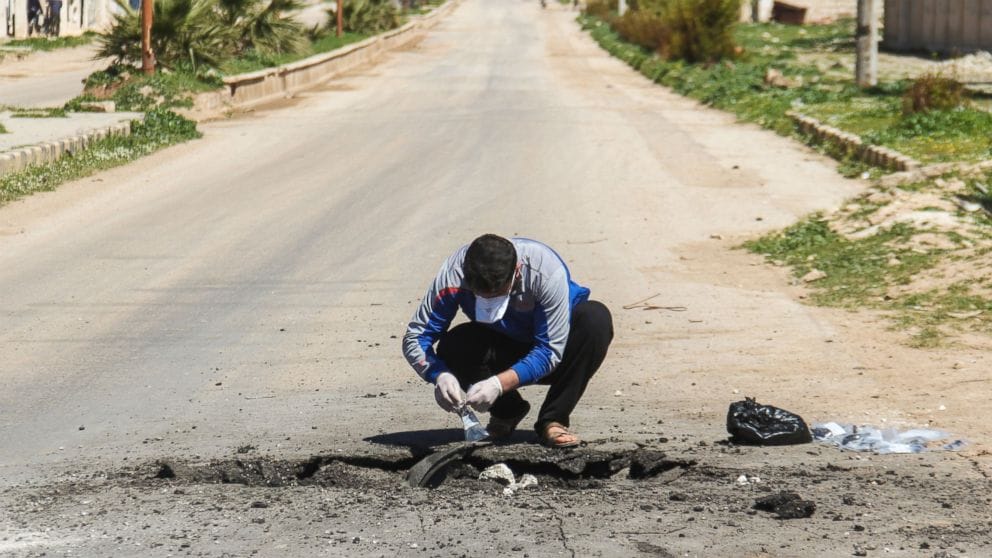
This reinstatement indicates a shift in the operational dynamics of the Organization for the Prohibition of Chemical Weapons (OPCW), which had previously excluded Syria from its framework due to the ongoing civil conflict and allegations of chemical weapon use during the Assad regime. Analysts observe that this decision may reflect a broader geopolitical recalibration, potentially influenced by changes in regional alliances and the ongoing humanitarian situation in Syria. As the situation unfolds, the implications for international oversight and the enforcement of chemical weapons bans will be closely monitored.
Implications for Global Security
The reinstatement of Syria into the OPCW raises critical questions regarding the future of chemical weapons policy in the region. The implications are profound for global security, as it may encourage further dialogue on disarmament and compliance. Conversely, there is a risk that this move could embolden rogue states or non-state actors to exploit ambiguities in international law regarding chemical weapons.
Furthermore, stakeholders will need to assess how this shift might impact U.S. foreign policy under President Trump and its approach to Syria. This situation necessitates close observation as the global community grapples with the complexities of enforcing disarmament protocols in a region fraught with conflict and instability.
Sources: Thedefensepost, The Arab Weekly, Arms Control Association, Anadolu Ajansı, and Al Jazeera