Conditional Ceasefire Agreement Between Israel and Lebanon

Ceasefire Agreement Overview
Israel and Lebanon have reached a tentative agreement for a ceasefire, announced on Wednesday following US-led discussions in Washington. The joint statement emphasizes that the ceasefire is contingent upon a complete cessation of hostilities by Iran-backed Hezbollah. This development indicates a potential de-escalation in a region marked by ongoing tensions and conflict.
Context and Implications
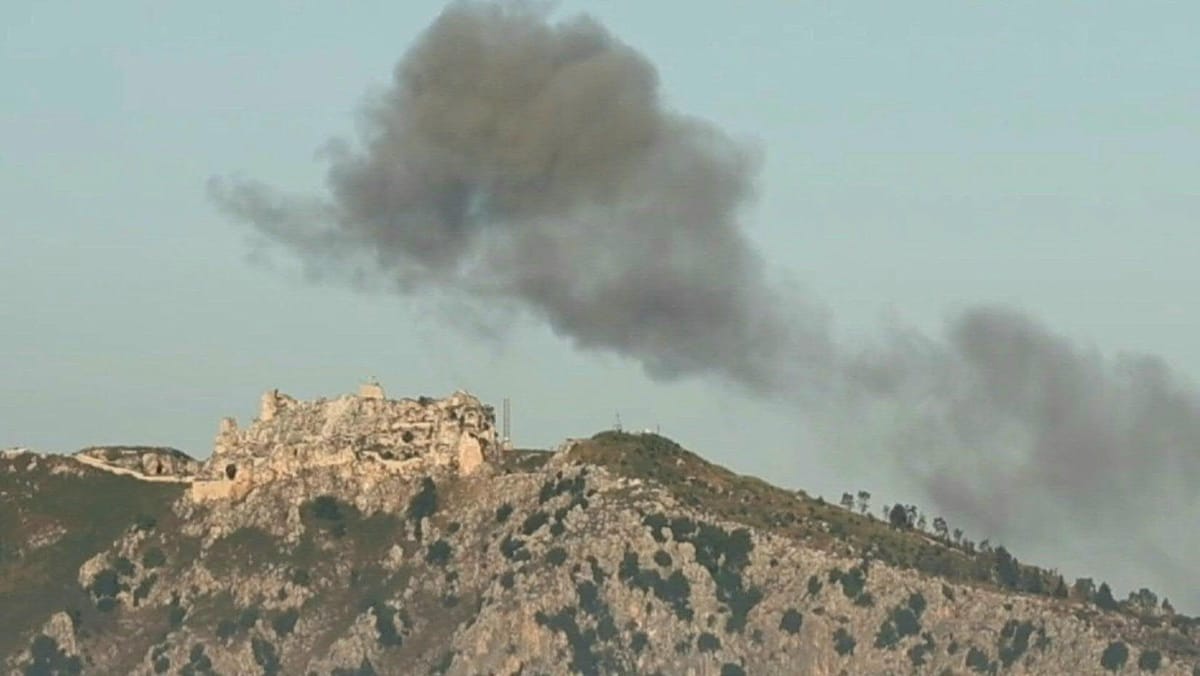
The agreement comes amid heightened military activities along the Israel-Lebanon border, where Hezbollah has been involved in various confrontations with Israeli forces. The US engagement in facilitating these talks highlights America's ongoing role in Middle Eastern diplomacy, particularly in managing relations between Israel and Iran-backed entities. Hezbollah's compliance with the ceasefire terms will be critical, as their actions have historically influenced regional stability.
This situation underscores the precarious balance of power in the region. Analysts will be watching how both Israel and Hezbollah respond to this agreement. Should Hezbollah fail to adhere to the ceasefire, it could reignite hostilities and lead to further military escalations. Conversely, if both parties maintain restraint, it may pave the way for more significant diplomatic efforts in the future.
The conditional nature of the ceasefire raises questions about its long-term viability. The involvement of external powers, particularly the US, suggests a strategic interest in stabilizing the area, but the effectiveness of such interventions remains uncertain. The implications of this agreement could affect not only Israeli-Lebanese relations but also broader geopolitical dynamics in the Middle East.
Sources: Thedefensepost, Fox News, BBC, Al Jazeera, and AP News