Congressional Action to Preserve U-2 Fleet Amid Capability Concerns

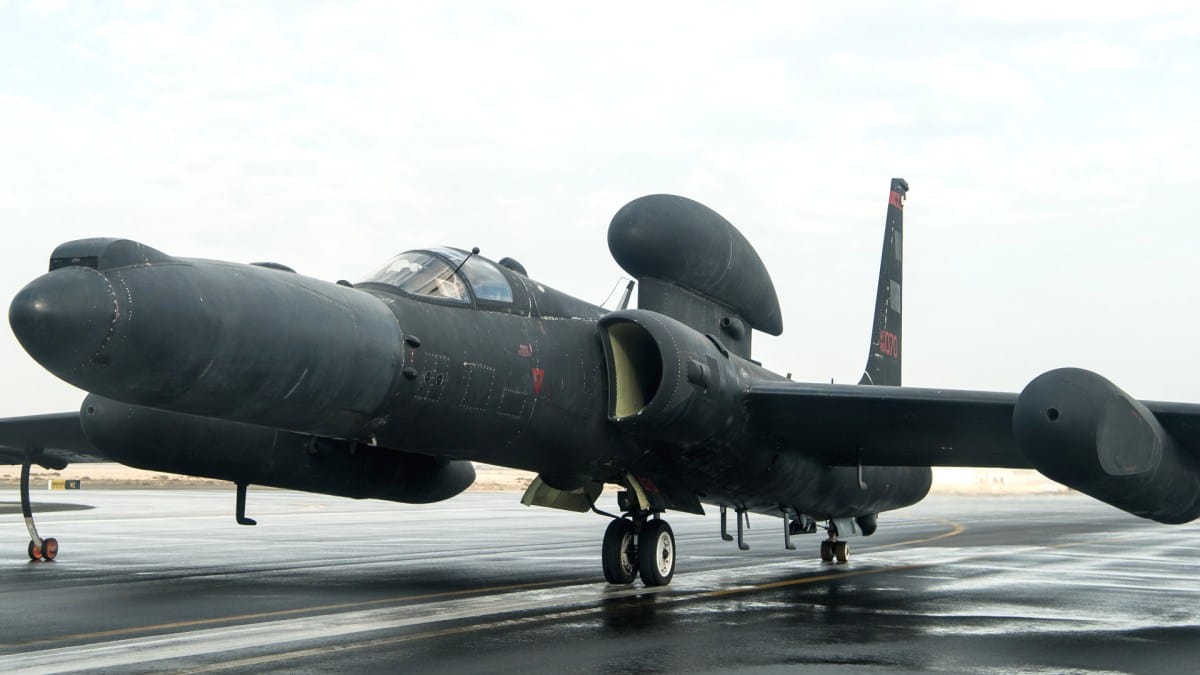
Congress Moves to Block U-2 Fleet Retirement
In a significant development, Congress is advancing legislation aimed at preventing the Air Force from retiring its entire U-2 fleet. The bill proposes the restoration of four U-2S spy planes, reflecting ongoing concerns regarding capability gaps within the United States intelligence and reconnaissance operations.
The U-2, often referred to as the "Dragon Lady," has been a vital asset for high-altitude reconnaissance missions since its introduction. As global threats evolve, the U-2's unique capabilities for surveillance and intelligence gathering remain crucial. This legislative push signals a recognition among lawmakers of the potential risks associated with phasing out such a key component of the Air Force's operational toolkit.
Context and Implications
The debate surrounding the U-2 fleet highlights broader discussions regarding military readiness and the balance between modernizing forces and maintaining existing capabilities. With advancements in unmanned aerial systems and satellite technologies, some stakeholders have questioned the need for the U-2. However, the persistent support for the fleet from Congress indicates a desire to ensure that the U.S. retains versatile and proven reconnaissance options.
Analysts will be watching how this legislative action might influence future defense spending and priorities. The restoration of U-2S planes could enhance the Air Force's intelligence-gathering capabilities in contested environments, particularly as tensions rise in various global hotspots. Moreover, this move may set a precedent for similar actions regarding other legacy systems in the face of modernization pressures.
This raises the question of how the Air Force will integrate the U-2 with newer technologies while addressing concerns about capability overlaps. As the military navigates these challenges, the decision to preserve the U-2 fleet could shape the landscape of U.S. intelligence operations for years to come.
Sources: Twz, The War Zone, Air & Space Forces Magazine, Air Force Times, and Yahoo