Counter-Drone Capabilities Expand in the Indo-Pacific and Beyond

The evolving landscape of modern warfare increasingly highlights the necessity for advanced counter-drone capabilities. Recent military exercises and technological deployments by U.S. armed forces in the Indo-Pacific region underscore this trend, revealing a focused effort to enhance air defense against unmanned aerial vehicles (UAVs).
What Happened
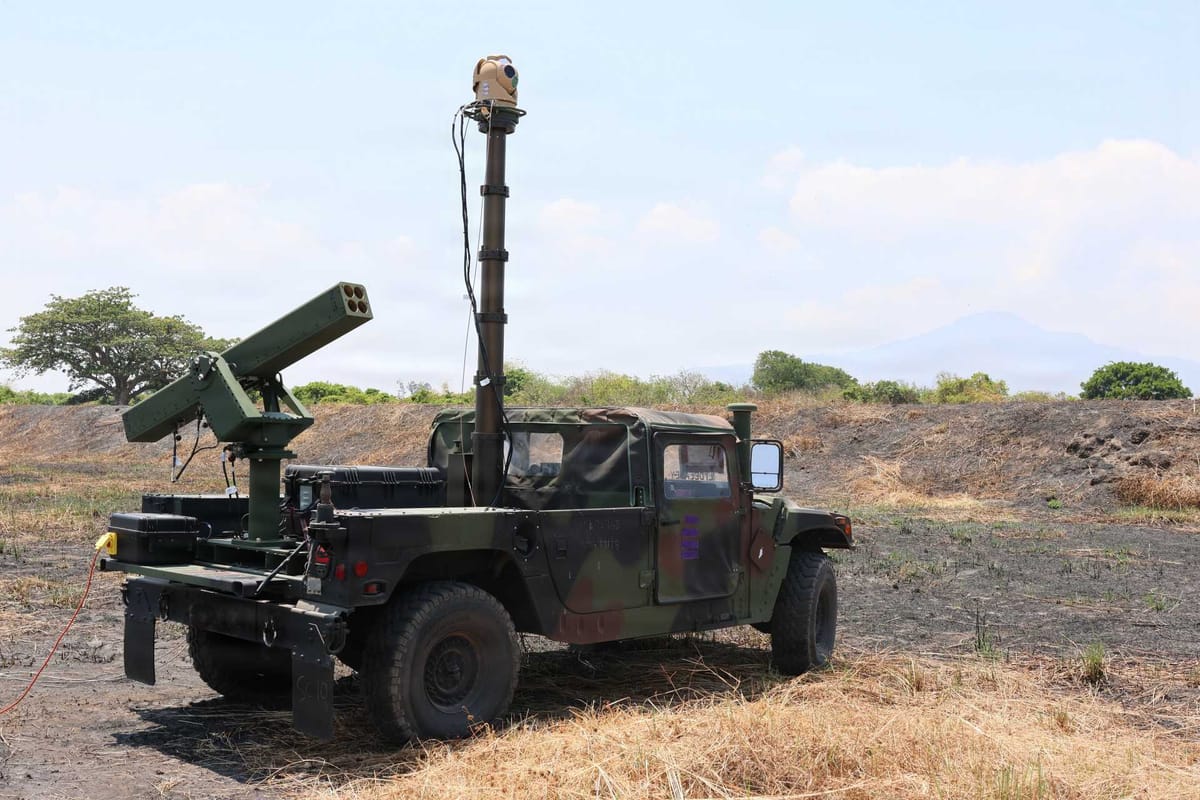
During the Balikatan 2026 exercises in the Philippines, the U.S. Army deployed the VAMPIRE counter-drone system for the first time. This system is designed to bolster anti-drone defense capabilities in the Indo-Pacific, emphasizing the importance of counter-drone technology in current military operations (Source 1).
Additionally, U.S. Marines showcased their counter-drone warfare focus by firing the MADIS Stinger missile, further highlighting the operational emphasis on defending against aerial threats during the same exercises (Source 2). These actions signify a coordinated approach among U.S. forces to enhance drone detection and interception capabilities in a critical region.
Technological Innovations on the Ground
The U.S. Army's 82nd Airborne has also been testing the Bumblebee V2 counter-drone system, which adapts tactics learned from combat in Ukraine. The system aims to effectively counter low-cost UAV threats, reflecting a broader trend of integrating lessons from ongoing conflicts into U.S. military practices (Source 3).
Notably, the U.S. Marines have deployed the SMASH 2000L smart scope at the squad level. This technology is designed to improve survivability against drone threats while remaining cost-effective, enabling individual units to engage UAVs effectively (Source 4). Together, these systems represent a multi-tiered approach to counter-drone operations, ensuring readiness at various levels of command.
The Bigger Picture
Internationally, the focus on counter-drone technology is not confined to U.S. forces. Australia has awarded contracts for developing counter-drone systems that utilize lasers and interceptors, which will be integrated into a command-and-control framework under its Land 156 initiative (Source 5). This highlights a growing recognition among allied nations of the importance of counter-drone capabilities amidst shifting security dynamics.
Furthermore, the emergence of AI-driven tactical power systems, such as those being developed by Turbo Energy for live military operations with the Spanish Army, indicates a shift toward enhancing energy efficiency and operational effectiveness in defense applications (Source 6). The integration of AI into military systems may augment existing capabilities, including drone operations and counter-drone measures.
As these developments unfold, defense analysts will be closely observing how these innovations impact military strategies and operational readiness in both the Indo-Pacific and broader global context.
- U.S. Army's VAMPIRE system deployed in Balikatan 2026
- U.S. Marines fire MADIS Stinger missile
- Testing of Bumblebee V2 and deployment of SMASH 2000L
- Australia's investments in counter-drone technology
- AI-driven energy systems in military operations
Sources: Armyrecognition, Defensenews, Thedefensepost, army.mil, Philstar.com, Army Recognition, and The Defence Blog