Counter-Drone Strategies Emerge Amid Growing UAV Threats

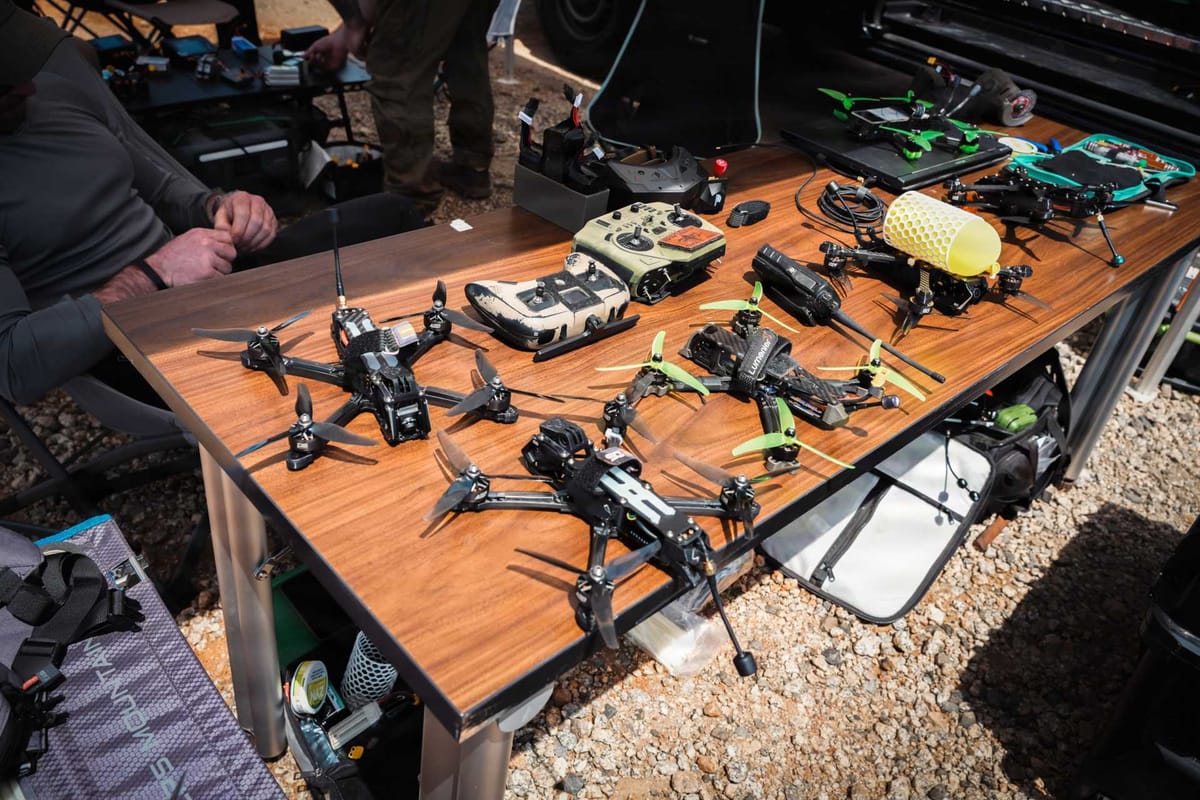
The escalating use of unmanned aerial vehicles (UAVs) on the battlefield has prompted significant strategic responses from multiple nations, highlighting the urgent need for enhanced counter-drone capabilities. The U.S. Army's recent initiative to invest $2.9 billion in counter-drone systems underscores the seriousness of this emerging threat, while other nations like Russia and Estonia are also adapting their military frameworks to address similar challenges.
What Happened
The U.S. Army's planned acquisition of counter-drone systems, totaling $2.9 billion, is aimed at bolstering defenses against the increasing prevalence of UAVs in modern combat scenarios. This move reflects an acknowledgment of the evolving battlefield dynamics where drones are utilized for reconnaissance and offensive operations.
In parallel, Russia is developing the Ural-mounted ZAK-30 Citadel counter-drone system. This system is designed to provide mobile protection against UAV attacks, illustrating a strategic shift towards distributed counter-drone warfare capabilities.
Estonia is also making strides in this domain, having integrated CV9035 infantry fighting vehicles (IFVs) into layered air defense exercises. These drills are informed by lessons learned from the ongoing conflict in Ukraine, demonstrating a proactive approach to enhancing air defense against drone threats.
The Strategic Calculus
The developments in counter-drone technology are indicative of a broader trend in military modernization, driven by the lessons of recent conflicts. The U.S. Army's investment signifies a recognition that UAVs can significantly alter the balance of power on the battlefield. The implications of these advancements include:
- Increased investment in technology: Nations are prioritizing funding for counter-drone systems to ensure operational readiness against evolving threats.
- Focus on mobile solutions: Systems like the ZAK-30 Citadel highlight the need for flexibility and mobility in counter-drone strategies.
- International collaboration: Countries may seek to share knowledge and technology in counter-drone capabilities, particularly in light of lessons learned from conflicts such as those in Ukraine.
Key Players
The current landscape involves various key players actively working on counter-drone initiatives:
- The U.S. Army, with its $2.9 billion acquisition plan.
- Russia, developing the ZAK-30 Citadel.
- Estonia, integrating CV9035 IFVs into defense exercises.
As nations adapt their military strategies in response to increasing UAV threats, the emphasis on counter-drone technologies is expected to continue. This raises the question of how quickly these advancements can be implemented and whether they will effectively neutralize the evolving tactics employed by adversaries using drones.
Sources: Armyrecognition, executivegov.com, Small Wars Journal, Business Insider, and Straits Research