Defense Spending Showdown Looms with $1-Trillion Cap Proposal

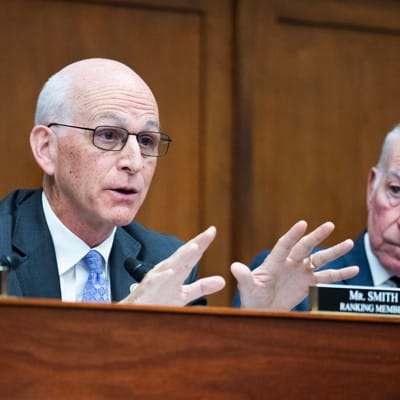
Impending Budgetary Conflicts in Defense Spending
The landscape of U.S. defense spending is set for a significant shift as the presumed chair of the House Armed Services Committee (HASC) has indicated discussions around a $1-trillion cap for defense budgets. This development follows a likely decision to forgo a reconciliation bill, which could have facilitated increased funding through a more streamlined legislative process. The absence of this mechanism raises concerns about funding allocations and priorities within the Pentagon.
Amidst this backdrop, the implications of a fixed budgetary limit are profound. A $1-trillion cap suggests that defense spending may face stricter constraints, potentially hampering military readiness and modernization efforts. The proposed ceiling may require the Department of Defense to make difficult choices regarding force structure, procurement programs, and personnel levels. Stakeholders within the defense community will need to adapt to these potential limitations, recalibrating their strategies to align with the new fiscal environment.
The establishment of a cap not only shapes the future outlook for defense contractors and military planning but also signals a shift in Congressional attitudes towards military expenditures. As lawmakers grapple with budgetary concerns, the focus may pivot towards prioritizing efficiency and effectiveness in defense spending over expansive growth. This could lead to heightened scrutiny of defense programs and a push for accountability, fundamentally altering the dynamics between the military establishment and legislative oversight.
Sources: Defenseone, Center for American Progress, U.S. Department of War (.gov), American Enterprise Institute - AEI, and Inside Government Contracts
Edited by Daniel Vazdar, Editor. How DEFCROS News reports, sources and corrects.