Emerging Challenges in Military Drone Technology and Partnerships

Recent developments surrounding military drone technology reveal both risks and opportunities for international partnerships in defense. Investigations into individuals connected to military drone programs and Ukraine's quest for strategic alliances highlight the evolving landscape of defense capabilities.
What Happened
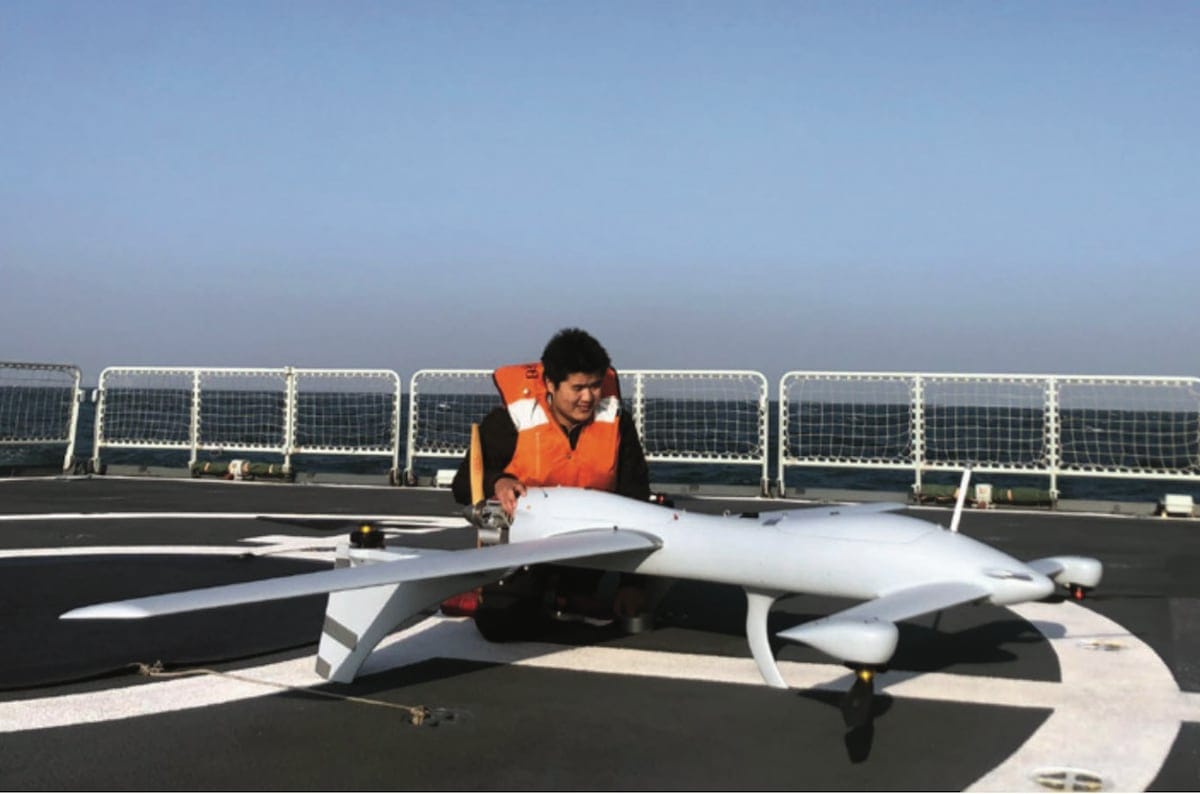
Chuan Wang, a former researcher at the University of Michigan, is currently under scrutiny for allegedly concealing significant ties to the Chinese military's drone initiatives. While Wang claimed modest roles on his visa applications, he was reportedly well-known in China for his involvement with military drones. This situation underscores the ongoing concerns regarding intellectual property and technology transfer risks related to foreign national involvement in sensitive defense sectors.
The Strategic Calculus
On a different front, Ukraine is actively seeking to expand its military capabilities through international collaboration. Kyiv has extended an invitation to New Zealand to engage in a military drone production partnership. This move aims to leverage battlefield-tested technology that Ukraine has developed amid its ongoing conflict with Russia. The partnership is intended to bolster Ukraine's defense manufacturing capacity and enhance its operational readiness.
- Collaboration with New Zealand could facilitate access to advanced drone technology.
- Ukraine aims to export its drone innovations, showcasing its capabilities on the global stage.
- Joint efforts could strengthen both nations’ defense postures against common threats.
These developments raise critical questions regarding the security and integrity of defense technologies. The implications of Wang's case could lead to increased scrutiny of foreign researchers in American defense institutions, prompting tighter regulations and oversight measures. Conversely, Ukraine's pursuit of drone partnerships exemplifies a proactive approach to enhance national security through collaboration.
Industry Fallout
The intersection of these two narratives highlights a broader trend in the defense industry. As nations grapple with the rapid advancement of drone technology, the emphasis on transparency and security will likely motivate policy shifts. Future collaborations may require more rigorous vetting processes to mitigate risks associated with espionage and technology theft.
In summary, the ongoing investigations into Chuan Wang and Ukraine's military partnerships present a dual-edged sword for the global defense landscape. The U.S. may need to reassess its engagement strategies with foreign nationals in sensitive areas, while Ukraine's initiatives could signal a shift towards more collaborative defense efforts among allies.
Sources: Defensenews, Thedefensepost, and Taipei Times