Emerging Trends in Drone Warfare: A Look at Recent Developments

The landscape of drone warfare is rapidly evolving, with significant advancements in capabilities and technologies from various nations. Recent developments highlight the increasing focus on both offensive and defensive drone systems, emphasizing how military forces are adapting to new threats in the aerial domain.
New Frontiers in Anti-Drone Technology
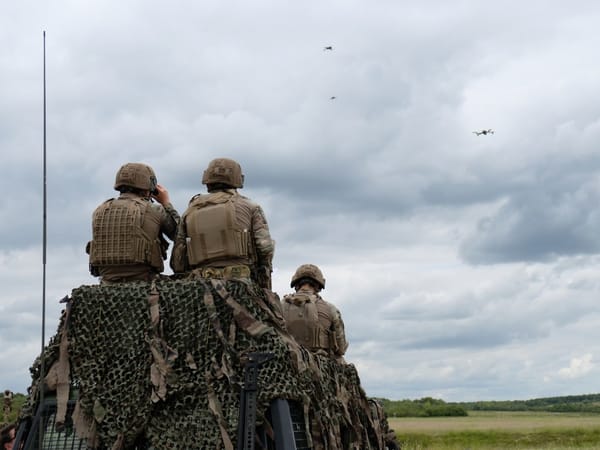
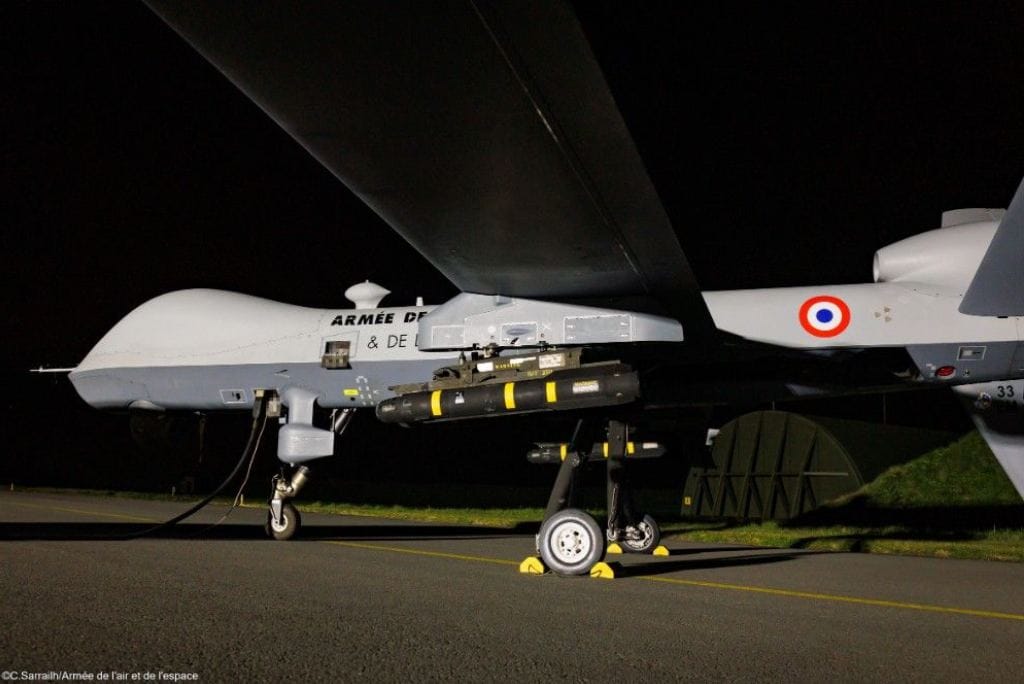
In a notable move, the French Air and Space Force has deployed a new anti-drone capability alongside its Reaper drone fleet. This deployment, which took place in early April 2026 at the Île du Levant firing range, marks a significant step in France's efforts to bolster its aerial defense against unmanned threats. The integration of advanced systems underscores the necessity of adapting to emerging drone threats in modern warfare.
- Enhanced detection and neutralization of hostile drones
- Integration with existing Reaper drone operations
- Potential for operational deployment in various conflict scenarios
This deployment reflects a broader trend where nations are not only enhancing offensive drone capabilities but also prioritizing measures to counteract the rising risks posed by enemy drones. Such adaptations are crucial as adversaries increasingly employ drones for reconnaissance and strikes, necessitating robust anti-drone systems.
Stealth Capabilities Under Scrutiny
Meanwhile, the recent sighting of the RQ-180 stealth drone in Greece has raised eyebrows within defense circles. The aircraft, known for its secretive nature and advanced capabilities, reportedly made an emergency landing at a Greek air base. This incident sheds light on the operational status and potential vulnerabilities of cutting-edge stealth technologies.
The RQ-180's appearance has prompted discussions on several fronts:
- The effectiveness of stealth technology in current operational environments
- Potential implications for NATO's aerial surveillance capabilities
- Security protocols surrounding maintenance and operational secrecy
As nations invest heavily in stealth technology, the challenges of maintaining operational security are becoming increasingly complex. The incident serves as a reminder that even the most advanced systems can encounter unforeseen issues, potentially influencing future strategic calculations.
Innovative Solutions in the US Defense Sector
In the United States, Talon Avionics is making strides with its new SECTR system, which utilizes sound-based targeting to detect and intercept small drone threats. This innovative approach combines artificial intelligence and acoustic sensing to enhance situational awareness and response capabilities against drone incursions.
The SECTR system’s design incorporates:
- AI-driven analytics for real-time threat assessment
- Sound-based detection to minimize false positives
- Scalability for deployment in various operational scenarios
This advancement not only positions Talon Avionics as a key player in the anti-drone market but also reflects a growing recognition of the need for diversified approaches to counter drone threats. As drone technology becomes more accessible, innovative systems like SECTR may prove essential in safeguarding airspace.
Moving forward, the combination of advanced anti-drone technologies and stealth capabilities will play a pivotal role in shaping the future of aerial warfare. The increasing sophistication of drone systems necessitates continuous investment in both offensive and defensive measures, ensuring that military forces remain prepared for evolving threats.
Sources: Edrmagazine, Twz, Thedefensepost, Defence Industry Europe, Aviation Tech Today, The War Zone, and HowStuffWorks