Enhancements in Marine Combat Capabilities: Active Protection Systems and Strategic Demand for Amphibious Forces

What Happened
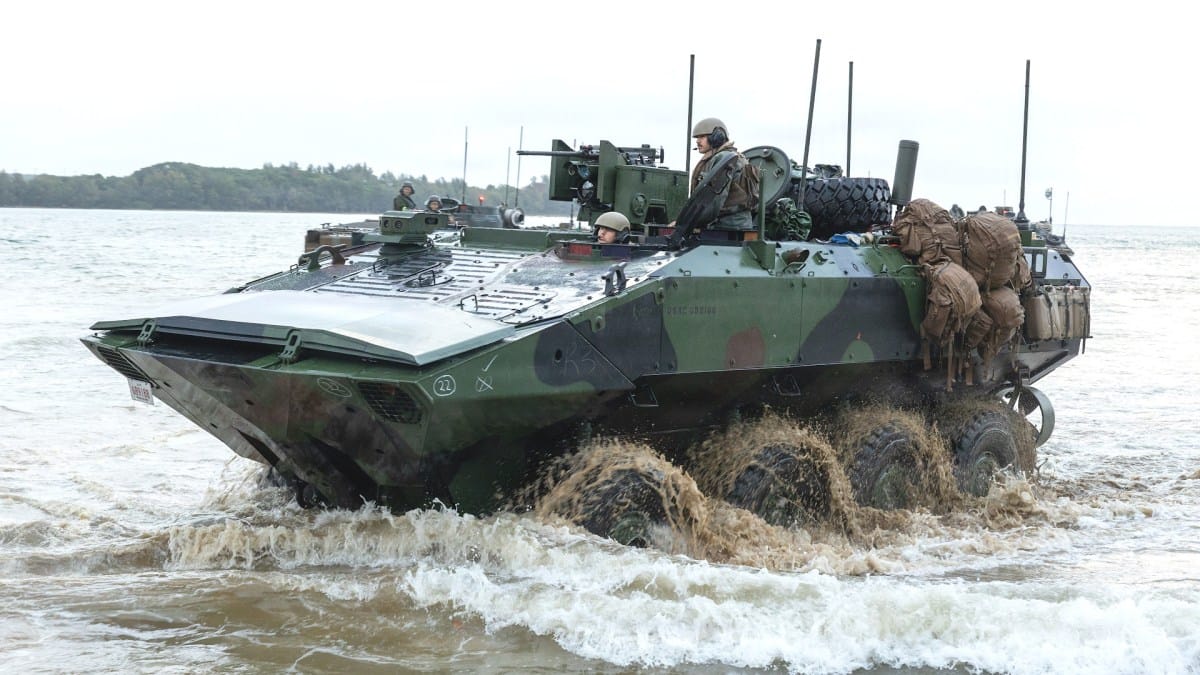
Recent developments within the U.S. Marine Corps highlight a dual focus on enhancing combat readiness and defensive capabilities. The introduction of Active Protection Systems (APS) for Marine Amphibious Combat Vehicles (ACVs) marks a significant advancement in countering anti-armor threats. These systems are designed not only to intercept incoming missiles but also to target drones, providing a critical layer of defense in modern warfare scenarios. Simultaneously, U.S. combatant chiefs have expressed an urgent need for more amphibious ready groups and Marine Expeditionary Units. This request underscores the importance of maintaining a robust amphibious presence to respond to various global contingencies.
The Strategic Calculus
The integration of APS into Marine ACVs aligns with the growing emphasis on force protection and operational effectiveness. Key implications of this development include:
- Enhanced survivability of Marine ground assets against increasingly sophisticated threats.
- Increased operational flexibility to engage in multi-domain operations, particularly in littoral zones.
- A proactive approach to countering emerging aerial threats, including drones, which have become more prevalent in modern conflicts.
The demand for additional amphibious ready groups reflects a strategic pivot towards ensuring rapid deployment capabilities in response to crises. The top military leaders recognize that maintaining these forces is essential for effective power projection and deterrence in key regions.
The Bigger Picture
As the geopolitical landscape continues to evolve, the need for advanced technology and prepared forces becomes increasingly critical. The move to incorporate APS into Marine ACVs not only strengthens the Marine Corps' defensive posture but also signals a broader commitment to modernization. This raises the question of how these technological advancements will integrate with other strategic initiatives. Analysts will be watching for:
- Potential collaborations with defense contractors to accelerate APS deployment.
- Impact on training and operational readiness for Marine units.
- How these developments will influence U.S. military strategy in the Indo-Pacific region and beyond.
In conclusion, the combination of upgraded equipment and an increased demand for amphibious forces indicates that the Marine Corps is preparing to meet the challenges of modern warfare head-on, with a focus on adaptability and resilience.
Sources: Twz, Defensenews, RealClearDefense, Army Recognition, National Security Journal, and Marine Corps Times