Enhancing U.S. Army Rotorcraft: New Capabilities and Strategic Implications

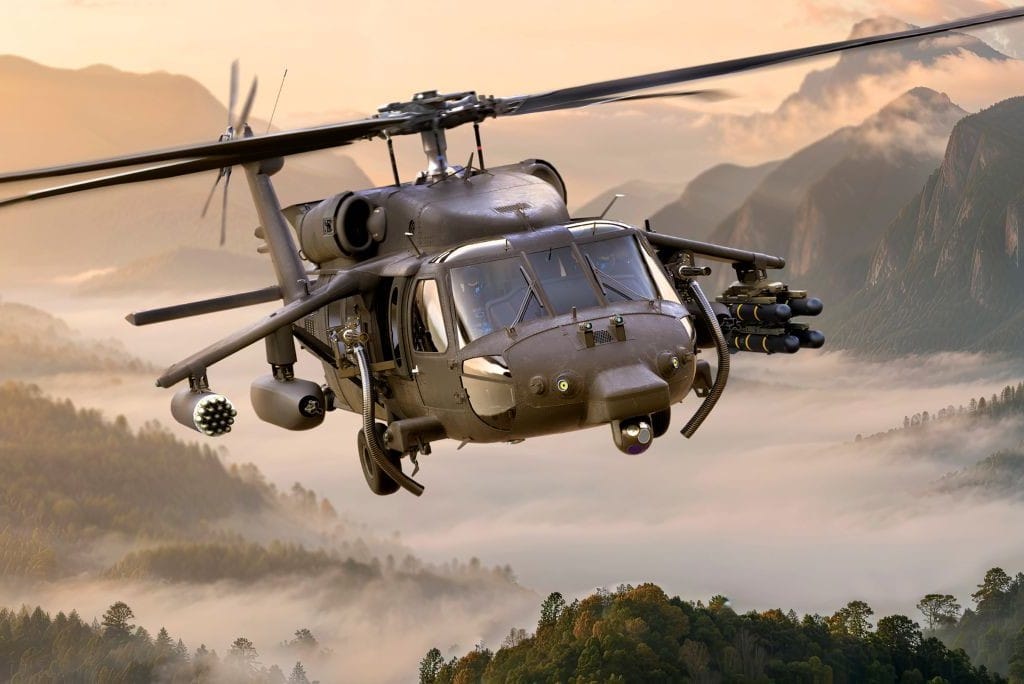
The U.S. Army is poised to gain significant advancements in rotorcraft capabilities, with recent announcements from Sikorsky and L3Harris signaling a new era for Black Hawk helicopters and Apache attack aircraft. As military needs evolve, these developments highlight a concerted effort to enhance aerial combat effectiveness and operational flexibility.
What Happened
In April 2026, Sikorsky, a subsidiary of Lockheed Martin, unveiled its latest offering: Armed Black Hawk helicopter kits designed to augment the mission capabilities of the iconic rotorcraft. This initiative aims to equip Black Hawks with advanced armaments, allowing for improved support in combat operations and versatility in various mission profiles.
Simultaneously, L3Harris is pitching its new Wolf Pack Modular Mini Cruise Missiles, which are intended for deployment on both Apache and Black Hawk helicopters. This move represents a strategic pivot towards integrating advanced strike capabilities into existing U.S. Army rotorcraft, enhancing their operational reach and firepower.
The Strategic Calculus
These advancements reflect a broader trend in military aviation where multi-role capabilities are becoming increasingly critical. The integration of these systems serves several strategic purposes:
- Enhanced Combat Capability: Armed Black Hawks will provide direct fire support in contested environments, increasing the army's ability to engage with adversaries effectively.
- Modular Flexibility: The Wolf Pack missiles are designed to be adaptable, allowing for various launch platforms, which ensures that the U.S. Army can tailor its air support to specific operational needs.
- Cost-Effective Upgrades: By retrofitting existing platforms with new technologies, the Army can maximize its investment in current assets while minimizing the need for entirely new aircraft acquisitions.
Additionally, these capabilities are expected to enhance joint operations with the Marine Corps, as L3Harris already supplies launched effects vehicles for marines, suggesting potential synergies in multi-service operations.
What Comes Next
The implications of these developments are significant for future military operations. The U.S. Army must consider the following moving forward:
- Integration Challenges: As these new systems are introduced, the Army will need to address the training and logistical challenges of integrating advanced weaponry into existing operational frameworks.
- Adversarial Responses: The enhancement of U.S. Army rotorcraft capabilities may provoke strategic responses from potential adversaries, leading to an arms race in aerial capabilities.
- Operational Doctrine Reevaluation: Commanders may need to reassess tactics and strategies to fully leverage the new capabilities offered by armed Black Hawks and modular missiles.
Ultimately, the introduction of these capabilities is not just about enhancing firepower; it is about rethinking how the U.S. Army engages in modern warfare, adapting to complex and rapidly changing battlefields.
Sources: Edrmagazine, Twz, FlightGlobal, The War Zone, Army Recognition, and Air Data News