Escalating Military Dynamics in the Middle East: A Multifaceted Response

The recent crash of a Navy MQ-4C Triton surveillance drone in the Persian Gulf highlights the increasing operational risks faced by U.S. assets in the region. This incident, which occurred on April 9, underscores both the vulnerabilities in aerial surveillance and the urgent need for advanced solutions to counter emerging threats from adversaries like Iran.
What Happened
On April 9, the MQ-4C Triton, a high-altitude surveillance drone, went off the radar while operating over the Persian Gulf. This incident raises significant concerns regarding the operational safety and reliability of unmanned aerial systems (UAS) in contested environments. The Triton is designed to provide real-time intelligence, but its disappearance points to potential adversarial capabilities that may be targeting U.S. assets.
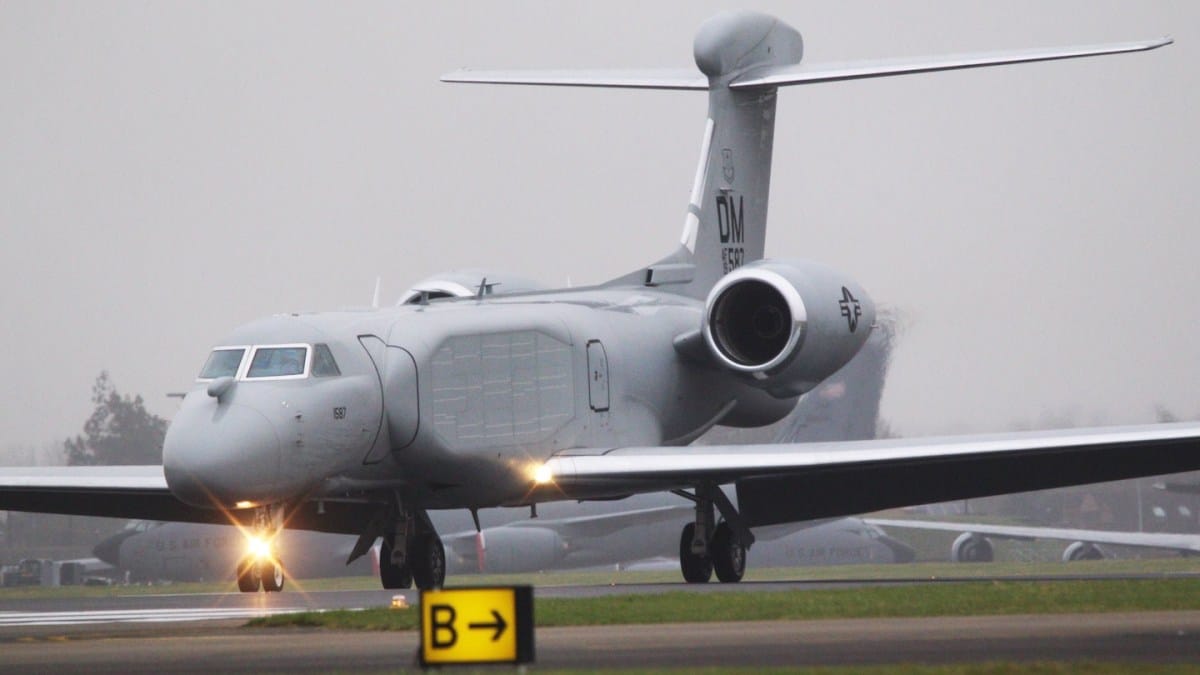
In parallel, the U.S. military is ramping up its presence in the region with new technologies and reinforcements. The arrival of the EA-37B Compass Call electronic warfare jets aims to bolster CENTCOM's standoff jamming capabilities, allowing for the disruption of enemy communications and air defense systems. This move is essential in a landscape where adversaries are increasingly sophisticated in their use of drones and other aerial threats.
The Strategic Calculus
The Pentagon's emphasis on fortifying U.S. bases in the Middle East reflects a proactive approach to mitigate risks and enhance resilience against potential attacks. The rush to harden these installations indicates a recognition of existing vulnerabilities and a commitment to ensuring the safety of personnel and equipment. The following key actions are being prioritized:
- Enhanced physical security measures for bases
- Upgraded surveillance and detection systems
- Increased readiness of air defense units
Moreover, the deployment of Navy E-2D Hawkeyes, capable of detecting low-flying threats like Iranian drones, adds another layer to the U.S. operational framework. This platform's advanced radar capabilities are crucial for maintaining situational awareness and enabling timely responses to incursions.
Industry Fallout
The implications of these developments extend beyond military strategy; they also impact defense contractors and technology developers. Following the crash of the MQ-4C, General Atomics has paused its test flights for drone wingman projects, signaling caution in a competitive landscape where reliability is paramount. The company is vying for contracts related to the Air Force’s collaborative combat aircraft program, and this incident may influence perceptions of its technology.
As the U.S. military enhances its electronic warfare capabilities and strengthens its surveillance networks, industry players must adapt to evolving needs. The integration of advanced systems like Compass Call and Hawkeye into operations signifies a shift toward more integrated and responsive military strategies.
Looking ahead, maintaining a technological edge will be critical for the United States in the Middle East. The combination of enhanced surveillance, robust electronic warfare capabilities, and hardened bases will play a pivotal role in countering threats and ensuring operational success against adversaries determined to challenge U.S. interests.
Sources: Twz, Defenseone, WANA News Agency, Middle East Forum, Aerospace Global News, and Air Data News