Escalating Tensions in the Strait of Hormuz: U.S. and Iranian Actions Intensify

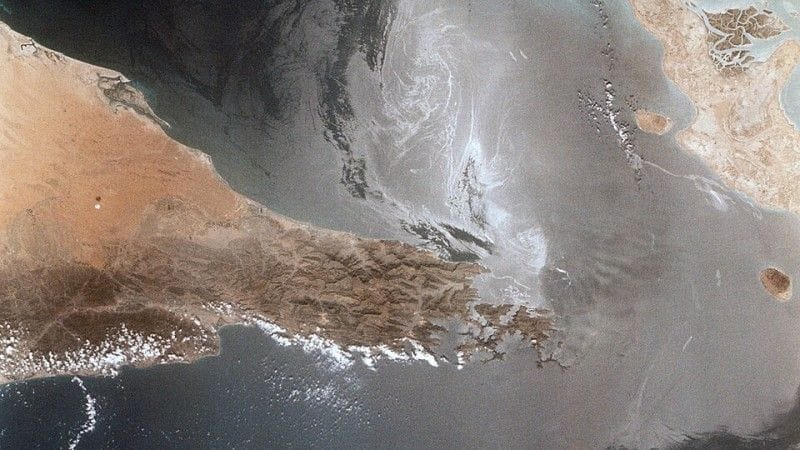
Recent developments in the Strait of Hormuz highlight the ongoing maritime tensions between the United States and Iran. The U.S. has ramped up its naval operations, while Iranian forces have increased their aggressive tactics against commercial shipping in the region. This dynamic raises concerns about the security of vital shipping lanes and the potential for further confrontations.
What Happened
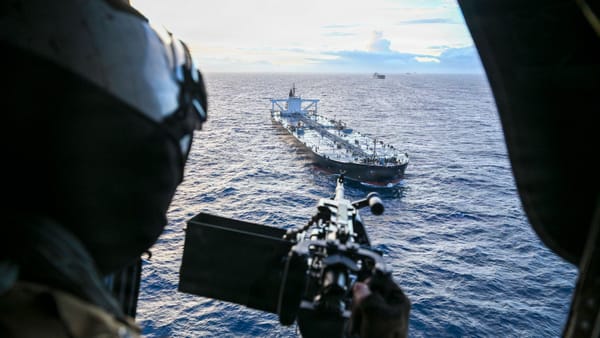
The United States seized an Iranian oil tanker in the Indian Ocean, reflecting its commitment to enforcing sanctions against Iran’s oil exports. However, despite this seizure, many vessels are reportedly evading the American blockade, indicating that Iran’s maritime strategies may be evolving to circumvent U.S. efforts.
In a related incident, Iran attacked at least three container ships in the Strait of Hormuz. Two of these vessels were seized and redirected into Iranian territorial waters, illustrating Iran's willingness to assert its influence over this critical shipping corridor. These actions have heightened the risk of conflict in an area already fraught with geopolitical tensions.
The Strategic Calculus
As the U.S. Navy continues to monitor the situation, the Iranian attacks on commercial shipping raise significant strategic questions. The Strait of Hormuz serves as a crucial chokepoint for global oil supplies, with approximately 20% of the world’s petroleum passing through it. The implications of these Iranian actions could have ripple effects on global oil prices and maritime security.
- The U.S. seizure of the Iranian tanker emphasizes its ongoing commitment to countering Iranian influence.
- Iran's aggressive tactics may be a response to perceived U.S. pressure or an attempt to assert regional dominance.
- Continued Iranian attacks could provoke a stronger military response from the U.S. and its allies.
On the diplomatic front, U.S. Treasury Secretary Scott Bessent announced an extension of the sanctions waiver for Russian oil and petroleum products already loaded on vessels. This decision, made just hours after the Strait of Hormuz was reopened to commercial shipping, suggests a complex interplay between U.S. strategies in the Middle East and its relations with Russia.
Industry Fallout
The ongoing tensions and military actions in the Strait of Hormuz have direct implications for the shipping industry. As Iran increases its maritime aggressiveness, companies operating in these waters may face higher risks. This situation could lead to:
- Increased insurance premiums for vessels transiting the region.
- Potential rerouting of shipping lanes to avoid conflict zones, impacting delivery times and costs.
- Heightened security measures for vessels operating in or near the Strait of Hormuz.
As these events unfold, industry stakeholders will be closely monitoring the situation for any changes that could affect maritime safety and shipping operations in one of the world's most crucial trade routes.
Sources: Defence24, The Maritime Executive, Reuters, Windward, and Insurance Journal