Escalating U.S. Naval Movements: A Strategic Pivot Toward the Middle East

The pace of U.S. military deployments to the Middle East has intensified in recent weeks, signaling a potential shift in strategy amid rising tensions with Iran. A flurry of naval and aerial assets is converging in the region, underscoring the U.S. commitment to securing vital maritime routes and reinforcing its military presence.
What Happened
Recent reports indicate a significant uptick in U.S. naval activity, specifically the movement of minesweepers and amphibious assault ships towards the Middle East. This comes in response to a growing concern over Iranian mining operations in the Strait of Hormuz, a crucial chokepoint for global oil shipments. The U.S. Navy’s operational plans appear to focus on:
- Clearing Iranian mines from strategic waterways.
- Enhancing maritime security in the region.
- Potentially seizing key Iranian positions, such as Kharg Island.
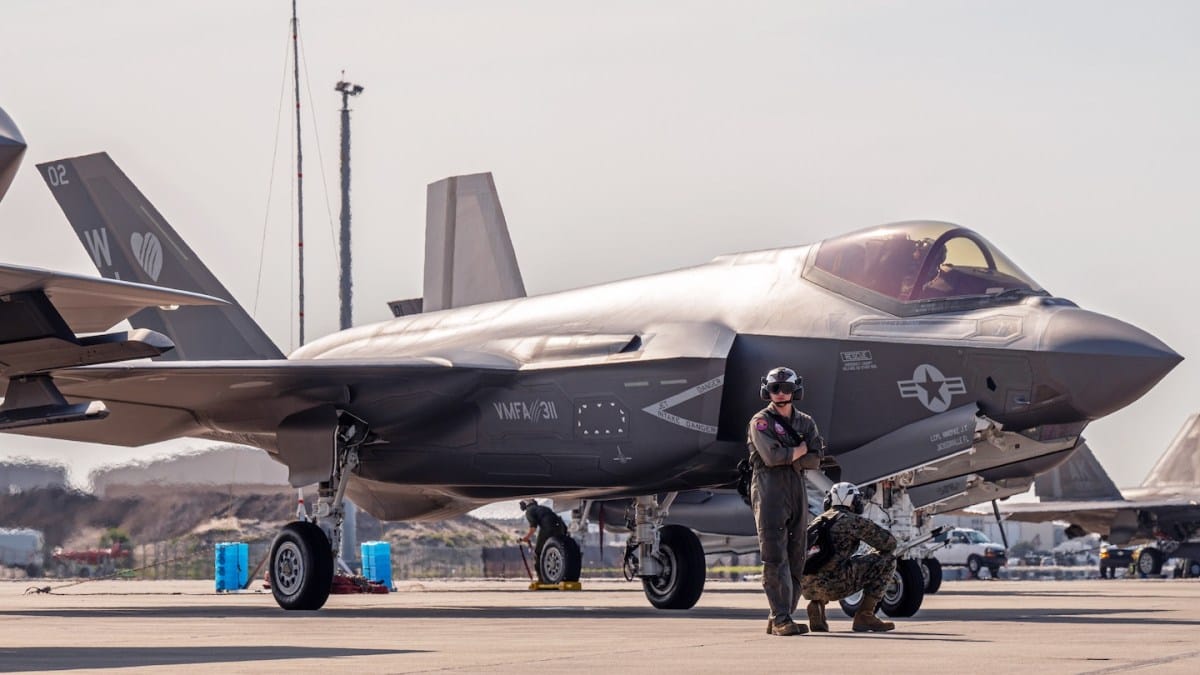
Meanwhile, the Marine Corps is bolstering its capabilities with the deployment of land-based F-35C fighters, further expanding the U.S. military's reach and readiness in the area.
The Strategic Calculus
The movement of naval assets raises questions about U.S. objectives in the region. The deployment of two Amphibious Ready Groups, alongside the anticipated arrival of additional F-35Cs, suggests a dual focus on deterrence and readiness for potential conflict. Key factors influencing this strategy include:
- Geopolitical tensions: The U.S. is responding to Iranian provocations that threaten maritime security.
- Energy security: Ensuring the uninterrupted flow of oil through the Strait of Hormuz is paramount for global markets.
- Allied support: Maintaining regional partnerships necessitates a visible U.S. military presence.
Notably, while some minesweepers have been redirected to the Pacific, the remaining units are likely to play a crucial role in upcoming operations aimed at safeguarding maritime routes.
What Comes Next
As the U.S. military builds up its presence in the Middle East, defense professionals should anticipate several developments:
- Increased naval operations: Expect more frequent and visible patrols in the Strait of Hormuz.
- Joint exercises: Potential collaborative operations with allied forces to enhance interoperability and readiness.
- Intelligence gathering: An uptick in surveillance and reconnaissance missions to monitor Iranian activities.
This strategic pivot not only highlights the U.S. commitment to regional stability but also signals readiness to counteract any aggressive moves from Iran. The current military posture reflects a balancing act between deterrence and preparedness, aiming to safeguard American and allied interests in a volatile geopolitical landscape.