Escalation in Southern Lebanon: Israel's New Offensive Against Hezbollah

Recent Developments in the Lebanon War
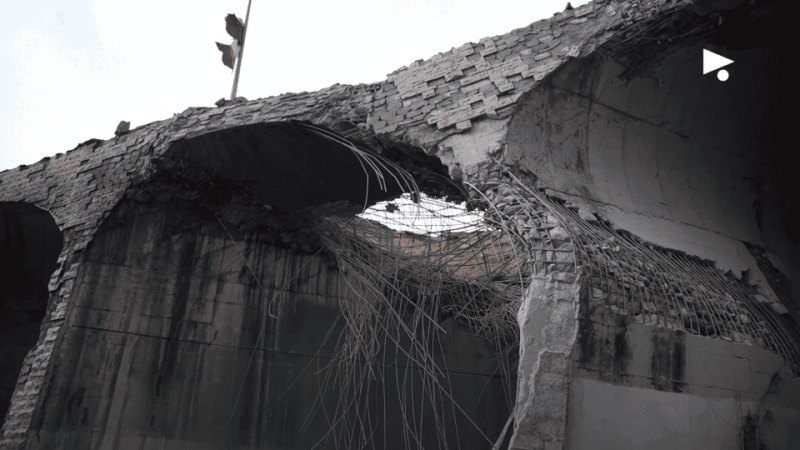
This week, Israel escalated its military operations in the ongoing conflict with Hezbollah by launching a new wave of airstrikes targeting southern Lebanon and the outskirts of Beirut. These attacks come despite the existing ceasefire, which has been increasingly undermined by frequent exchanges of fire between the two sides. The latest Israeli offensive represents one of the most significant escalations in tensions with Hezbollah witnessed in recent months.
The backdrop of these airstrikes is a complex and volatile security landscape in the region. Israel's military actions are likely a response to ongoing provocations and the perceived threat posed by Hezbollah. The group has been involved in various military and paramilitary operations, which have raised concerns for Israel regarding its northern borders. Analysts are closely monitoring the situation, particularly the potential for further retaliation from Hezbollah and the implications for broader regional stability.
Why It Matters
The current offensive signifies a critical juncture in the Lebanon war, indicating that both Israel and Hezbollah may be willing to escalate their military engagements despite previous diplomatic efforts to maintain a ceasefire. This raises the question of how long the ceasefire can hold if both sides continue to engage militarily. The ongoing conflict has implications not only for Israeli security but also for the stability of Lebanon and the surrounding region, including potential impacts on international relations and humanitarian conditions. Understanding the evolving dynamics will be essential for defense professionals as they assess the risks and opportunities in this complex theater.
Sources: Defence24, PBS, Al Jazeera, The Guardian, and BBC