Escalation in U.S.-Iran Tensions Post-Ceasefire

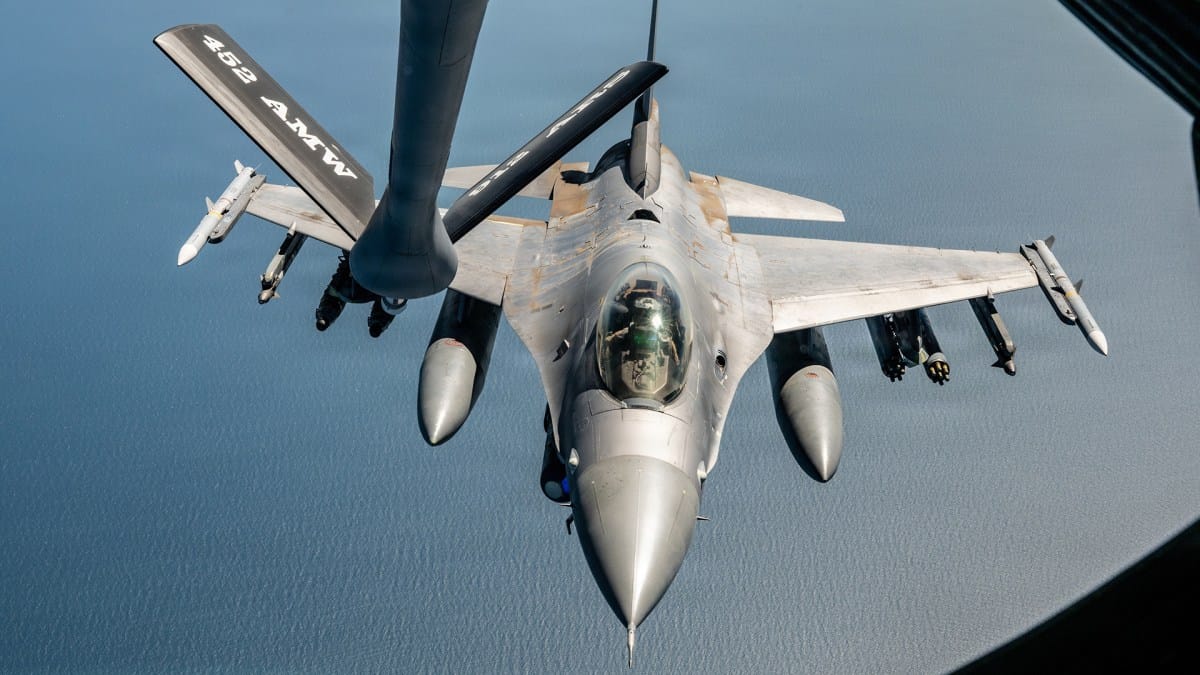
Recent Attacks Heighten U.S.-Iran Hostilities
In a significant escalation of hostilities, the latest series of attacks between the U.S. and Iran have raised alarms among defense analysts and policymakers. Occurring overnight, these incidents mark one of the most severe confrontations since a ceasefire was established on April 8. The renewed aggression underscores the fragile nature of the current geopolitical climate and raises questions about the effectiveness of diplomatic efforts to stabilize relations between the two nations.
Context and Analysis
The U.S.-Iran ceasefire, which had been in place for several months, was intended to reduce tensions and prevent further military engagement. However, the recent attacks indicate a breakdown in this temporary peace. Analysts are concerned that both nations may be testing each other's resolve, leading to a cycle of retaliation that could spiral out of control. The timing of these attacks could signal a strategic reassessment by both parties, particularly in light of the evolving regional security landscape.
Moreover, the implications of this escalation extend beyond the immediate conflict. With the U.S. and Iran both demonstrating military capabilities, the potential for broader regional instability increases. This situation calls for a re-evaluation of U.S. defense postures in the Middle East, as well as a reassessment of diplomatic strategies aimed at de-escalation.
Why it Matters: The recent attacks highlight the precariousness of U.S.-Iran relations and the potential for further conflict. As both nations navigate this tense environment, the risk of miscalculation looms large. Analysts will be watching closely to see how the U.S. responds in the coming days, as this could influence not only bilateral relations but also the broader geopolitical dynamics in the region.
Sources: Twz, Britannica, CNBC, MSN, and The Strategist | ASPI's analysis and commentary site