Escalation in US-Iran Tensions Following Military Engagements

Recent Military Exchanges
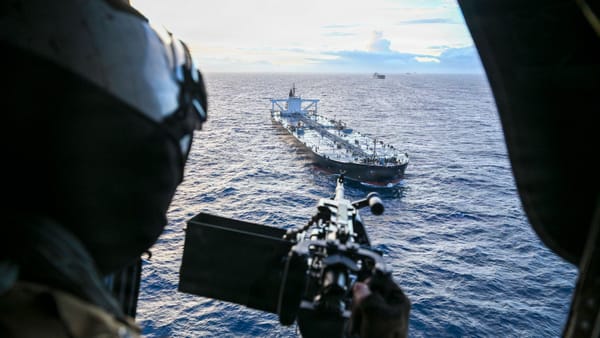
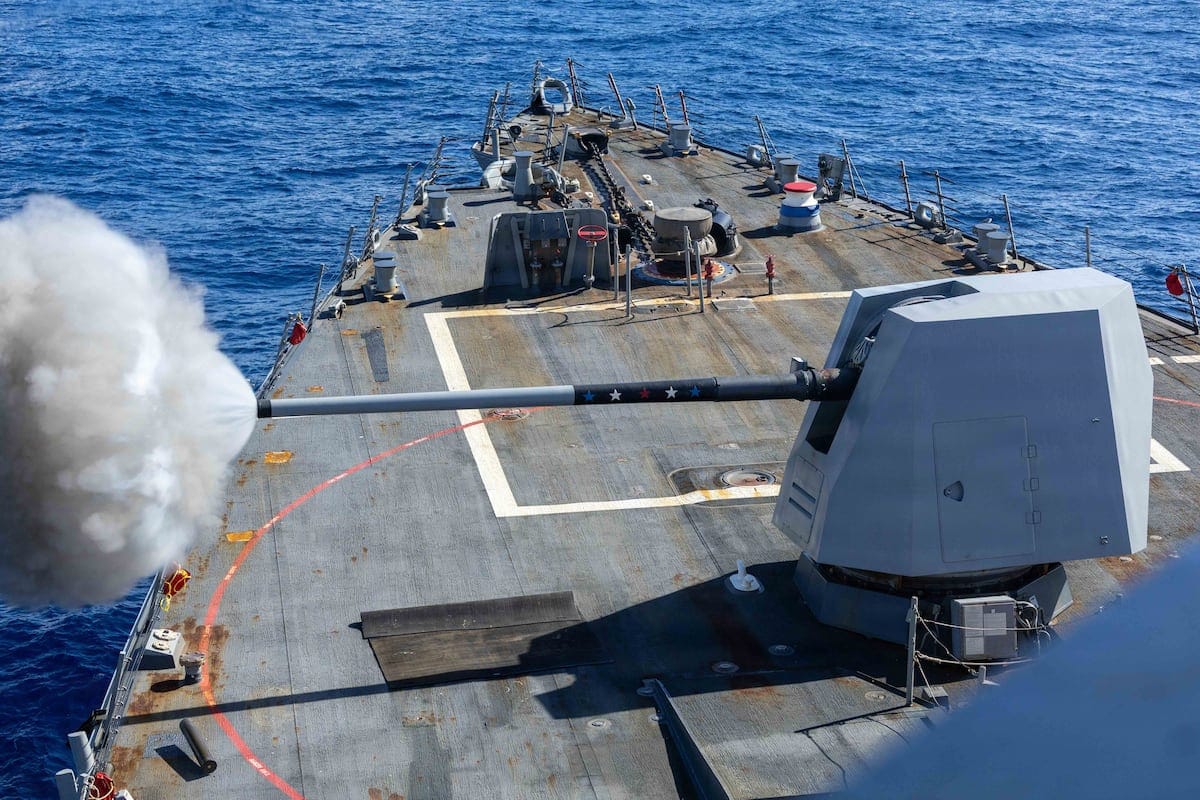
On Thursday, U.S. forces conducted retaliatory strikes against Iranian military facilities after Iran launched missiles and drones targeting three U.S. Navy vessels. This military engagement marks a significant escalation in ongoing tensions between the two nations, showcasing the fragile security dynamics in the region.
The Iranian attack signifies a bold move that could alter the operational landscape in the Gulf. The U.S. response was swift, indicating a readiness to protect its assets and personnel in the face of aggression. President Trump commented on the situation, suggesting that the conflict would “be over quickly,” reflecting a potentially aggressive stance towards Iran's military actions. Such statements are indicative of the administration's approach to deterrence and its commitment to safeguarding U.S. interests abroad.
Implications for Regional Stability
The recent exchanges of fire raise critical questions regarding the future of U.S.-Iran relations and broader stability in the Middle East. Analysts will be watching closely to gauge Iran's next moves and whether this incident will escalate into a prolonged confrontation. The potential for further military engagements could lead to unintended consequences, impacting not only U.S. military strategy but also the security of allied nations in the region.
This situation highlights the delicate balance of power in the Gulf and underscores the importance of diplomatic channels alongside military preparedness. The implication is that a failure to address underlying tensions could result in a cycle of retaliation, further destabilizing an already volatile region.
Sources: Defensenews, Chicago Council on Global Affairs, Council on Foreign Relations, Yeni Safak English, and India News Network