Europe Pursues Sovereign Long-Range Missile Solutions Amid Security Concerns

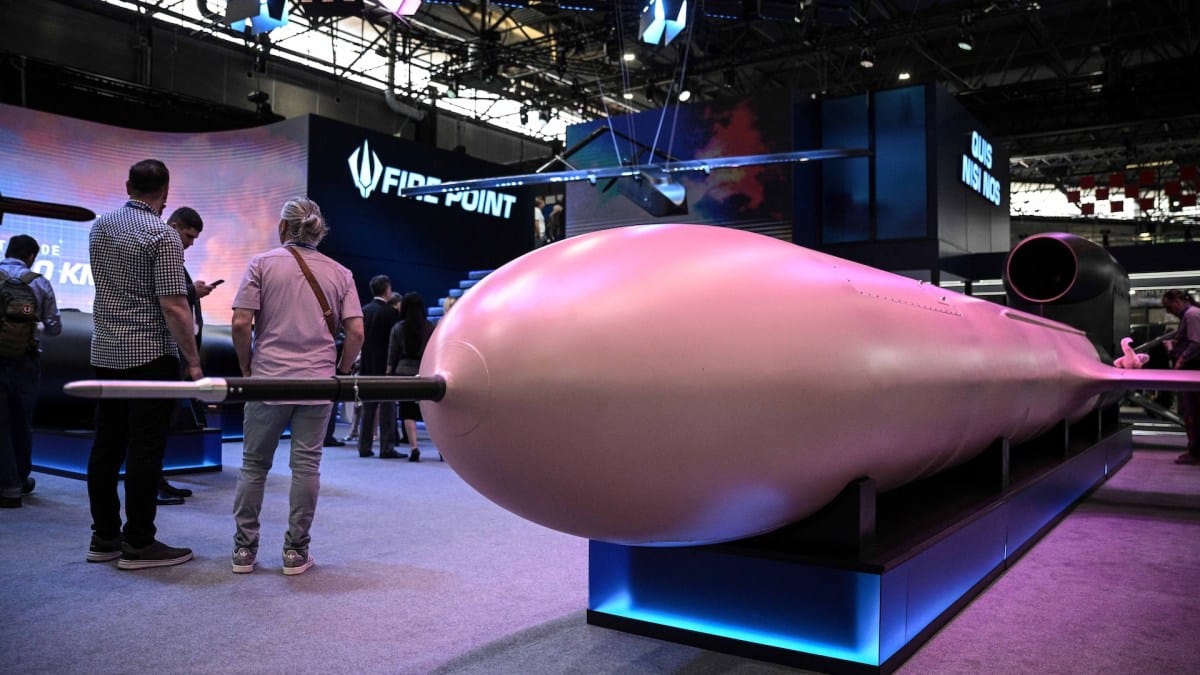
As Europe grapples with its defense capabilities in the face of ongoing tensions with Russia, the continent is actively seeking alternatives to U.S.-supplied long-range weaponry. Recent collaborations between Ukrainian defense firms and European manufacturers, such as MBDA and Diehl, are at the forefront of this initiative, aiming to bolster Europe's military autonomy.
What happened
MBDA and Diehl have initiated partnerships with Ukraine to develop long-range strike capabilities that would address the pressing needs of European nations. This comes at a critical time when many European countries are searching for more rapid and sovereign alternatives to existing U.S. systems. The urgency for these alternatives is underscored by the perceived inadequacies in Europe's current long-range strike options, which are essential for deterrence against Russian military assets.
The strategic calculus
Europe faces significant challenges in its defense strategy, particularly regarding the ability to hold Russian assets at risk. Analysts have pointed out that the continent is currently lacking in effective long-range strike options, which are crucial for deterrence. The collaboration with Ukraine aims not only to enhance military capabilities but also to foster a more self-sufficient defense posture. Key points of focus include:
- Increasing the production speed of long-range missiles
- Developing land-based versions of existing naval missile systems
- Strengthening partnerships within Europe to reduce reliance on external sources
The implications of these developments could lead to a significant shift in Europe’s defense landscape, as nations work to fill this capability gap.
Industry fallout
The push for indigenous long-range strike missiles reflects broader trends within European defense industries, which are increasingly prioritizing self-reliance. This trend is evident in the movements of major players like MBDA, which is advancing its technological offerings to better suit the needs of European armed forces. The emphasis on creating a European defense ecosystem could potentially:
- Reduce dependencies on U.S. military support
- Encourage innovation and collaboration within the European defense sector
- Enhance the overall security posture of European nations
Ultimately, these collaborations with Ukraine may serve as a catalyst for a more robust European defense framework, potentially reshaping the strategic landscape in the region.
Sources: Twz, Defensenews, Ukrinform - Ukrainian National News Agency, Online.UA, The War Zone, and UNITED24 Media