European Defense Industry Advances in Military AI Amidst Criticism

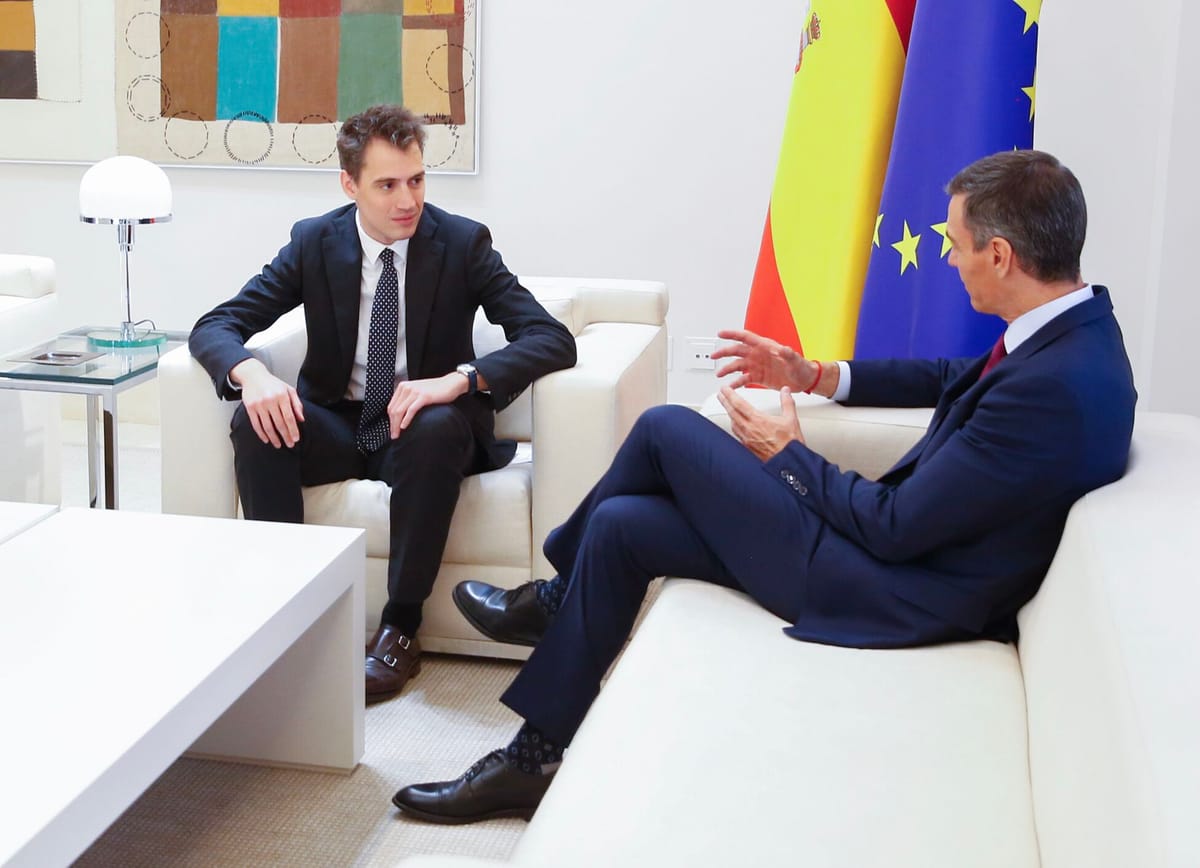
The development of military artificial intelligence (AI) in Europe is gaining momentum, with companies like Mistral, Patria, and NestAI taking significant steps to enhance sovereign capabilities. This push comes despite criticism from entities such as the Vatican, highlighting the evolving landscape of defense technology.
What happened
Mistral has firmly rejected criticism from Pope Leo regarding its military AI initiatives. The company is focused on expanding its sovereign AI infrastructure and enhancing its military capacity. This development is part of a broader trend in Europe toward creating independent and adaptive AI systems that reduce reliance on foreign technologies.
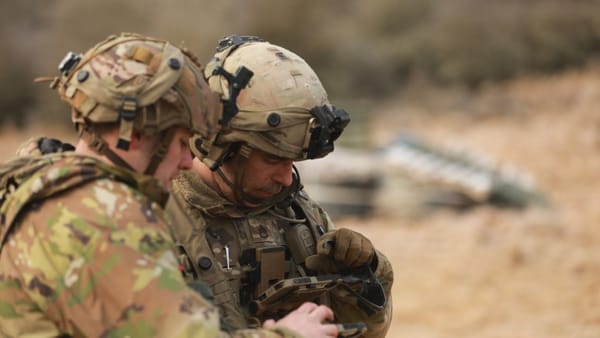
Meanwhile, Patria and NestAI are collaborating to develop robust battlefield AI ecosystems specifically designed for autonomous drones. This initiative underscores the strategic importance of fostering local technological capabilities in military operations, allowing European nations to maintain control over their defense systems.
The strategic calculus
The drive for sovereign military AI is fueled by several factors:
- Geopolitical considerations: The need for self-reliance in defense technology has become increasingly critical, particularly in light of rising tensions in various global hotspots.
- Technological advancements: The rapid evolution of AI capabilities allows military planners to explore new strategies for unmanned systems in combat scenarios.
- Market demand: There is growing demand for autonomous systems that can operate independently, with an emphasis on adaptability and efficiency.
This expansion in military AI infrastructure not only aims to enhance operational efficacy but also seeks to alleviate the strategic vulnerabilities associated with dependence on external technology providers.
Industry fallout
Mistral's defensive stance against Vatican criticism reflects the broader challenges faced by defense companies as they navigate ethical considerations in AI development. As military AI becomes a focal point, companies must balance innovation with public perception and regulatory scrutiny.
As European nations prioritize the establishment of sovereign adaptive AI technologies, analysts will be watching closely to see how these developments influence defense procurement strategies and partnerships across the continent. The implications of these advancements may extend beyond military applications, potentially impacting civilian sectors and international collaborations.
Sources: Thedefensepost, The Defense Post, Brussels Morning Newspaper, The Jerusalem Post, and Kavout