Evaluating the Impact of Turkey's Bayraktar TB2 Drone in Modern Warfare

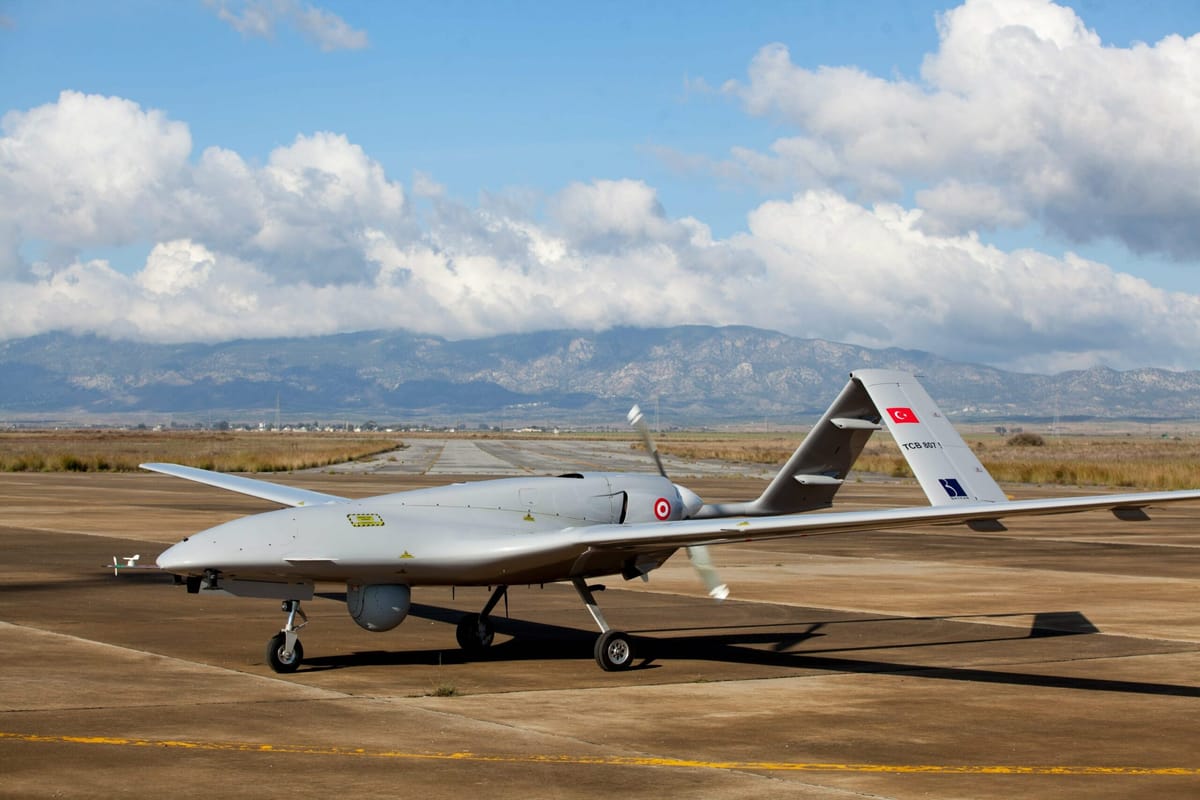
Turkey's Bayraktar TB2: A Game Changer in Combat
In the landscape of modern warfare, Turkey's Bayraktar TB2 drone has emerged as a significant asset, demonstrating its effectiveness through various combat operations. This combat-proven unmanned aerial vehicle (UAV) has gained attention for its precision strike capabilities and advanced surveillance functionalities, making it a vital tool for military engagements.
Introduced into service in recent years, the Bayraktar TB2 has been deployed in several conflict zones, showcasing its ability to conduct targeted strikes while providing real-time intelligence to ground forces. This drone has become integral to Turkey's military strategy, enhancing operational effectiveness in both offensive and defensive capacities. Its ability to conduct long-endurance missions allows forces to maintain a persistent presence in contested areas, thereby shaping the tactical landscape on the ground.
Implications for Future Warfare
The impact of the Bayraktar TB2 extends beyond its immediate operational successes. Analysts are closely observing how this UAV influences military doctrine and procurement strategies in other nations. As countries recognize the advantages of integrating drones like the TB2 into their arsenals, there is potential for a shift in regional power dynamics and defense spending priorities.
This raises the question of how adversaries will adapt their military strategies in response to the capabilities demonstrated by the Bayraktar TB2. Countries may seek to develop counter-drone technologies or enhance their own UAV programs to maintain strategic parity. The implications for defense policy and military readiness are profound, as nations reassess their approaches to modern warfare in light of evolving drone technology.
Sources: Thedefensepost, Middle East Forum, Irregular Warfare Initiative, Reuters, and Defence Security Asia