Evaluating U.S. Troop Reductions in Europe: A Strategic Bargaining Chip

Troop Reductions and Strategic Implications
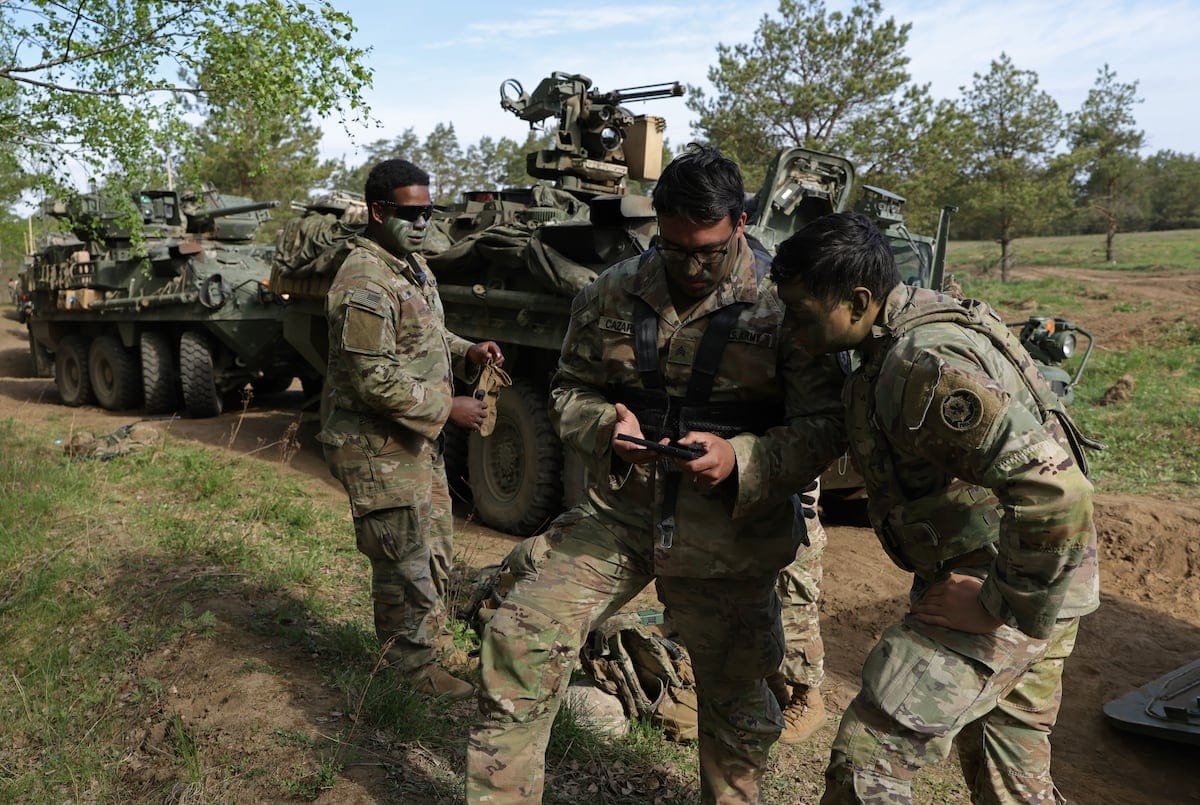
As the U.S. considers reductions in troop levels in Europe, the potential impact on international relations, particularly with Russia, is significant. The discussions surrounding these troop cuts raise questions about leveraging this military presence as a bargaining chip in diplomatic negotiations. The current geopolitical landscape necessitates a thorough examination of how these troop levels influence U.S. standing and security commitments in the region.
The ongoing military presence in Europe has been a cornerstone of U.S. defense strategy, aimed at deterring aggression and maintaining stability. A reduction in troop numbers could alter perceptions among allies and adversaries alike, signaling a shift in U.S. engagement in European security matters. The article emphasizes that Washington has the opportunity to use these troop levels as a negotiation tool, particularly in dealings with Russia, which could enhance or undermine U.S. strategic objectives.
Why It Matters
The implications of troop reductions extend beyond mere military presence; they encompass broader strategic considerations that could reshape U.S. foreign policy. This raises the question of how reductions would be framed in the context of ongoing diplomatic efforts with Russia. Defense analysts will be closely observing how the U.S. administration navigates this complex terrain, weighing the benefits of troop reductions against potential risks to regional security and alliance dynamics.
Sources: Defensenews, WSJ, Defense News, The New York Times, and Defense Priorities