Evolving Air Power: Russia’s Military Strategy and U.S. Innovations

What Happened
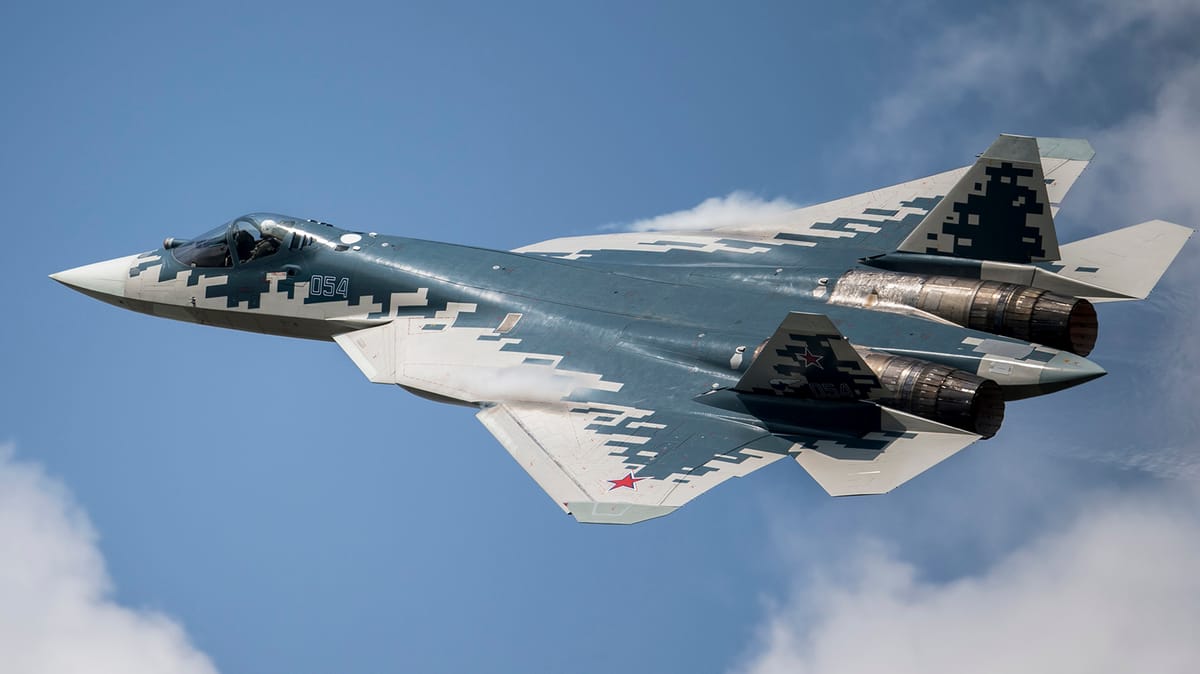
As Russia seeks to modernize its military capabilities, the focus is shifting toward rebuilding its air force. Historically, Russia's military aviation has been significantly diminished compared to its Soviet-era predecessors. However, recent reports indicate a strong desire among Russian military leaders to enhance their air force, particularly in terms of officer-level aviation training and fleet expansion. This move is critical as Russia faces ongoing challenges in its operational capabilities and seeks to address these shortcomings.
The Strategic Calculus
In the face of evolving threats, the United States is simultaneously advancing its own air power capabilities. The U.S. Air Force has introduced the T-7A Red Hawk, a new jet trainer designed to redefine pilot training for the next generation. This aircraft represents a significant investment in training infrastructure, aiming to ensure that American pilots are prepared for modern combat scenarios.
Additionally, the U.S. Air Force Special Operations Command (AFSOC) has unveiled the AGM-190A “Havoc Spear,” a low-cost cruise missile intended for rapid production and deployment. This innovation aims to provide U.S. forces with flexible, cost-effective options for engaging targets, enhancing operational readiness while maintaining budget efficiency.
- AGM-190A “Havoc Spear”: A small cruise missile designed for quick fielding.
- T-7A Red Hawk: A next-generation trainer aircraft enhancing pilot readiness.
- Russia's Air Force Rebuilding: A strategic effort to improve capabilities and training.
On the Ground
Meanwhile, the conflict in Ukraine continues to shape military tactics on both sides. A recent report highlights a Russian tactic utilizing dual-drone operations to expose and engage Ukrainian air defense positions. This strategy is indicative of Russia's adaptive use of technology in warfare, applying lessons learned from ongoing engagements.
As the U.S. focuses on integrating artificial intelligence (AI) into military operations, Luke Air Force Base has established an AI Task Force aimed at standardizing AI applications across various operational aspects, including training and planning. This initiative underscores the U.S. commitment to leveraging technology in enhancing combat readiness and operational efficiency.
The implications of these developments are significant; as Russia invests in rebuilding its air force and employing innovative tactics, U.S. forces are simultaneously enhancing their capabilities through advanced training and weaponry. Analysts will be watching how these evolving strategies influence future engagements and the broader geopolitical landscape.
Sources: Defence24 and Thedefensepost