Evolving Combat Capabilities: U.S. Army Innovations in Infantry Vehicles and Drone Warfare

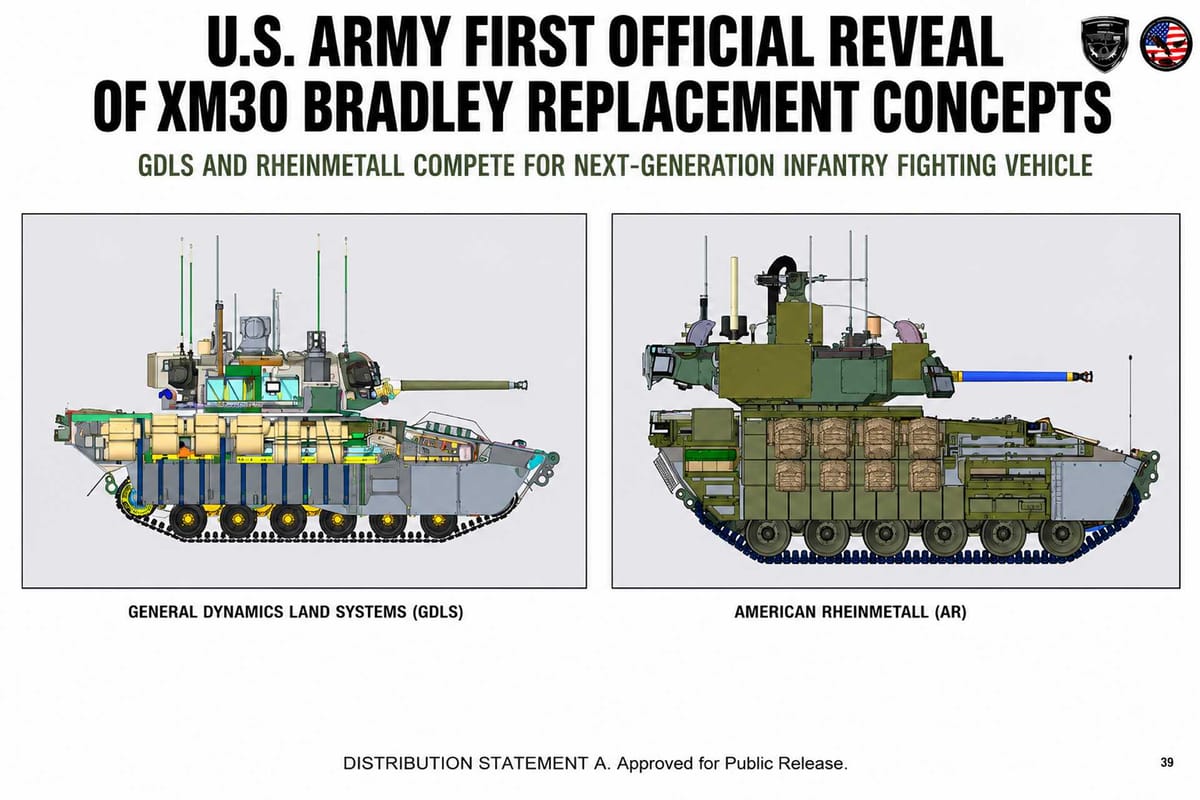
The U.S. Army is advancing its combat capabilities with two significant developments: the unveiling of the XM30 AI Infantry Fighting Vehicle candidates and the implementation of kamikaze FPV drones at the platoon level. These innovations reflect lessons learned from recent conflicts and aim to enhance operational effectiveness in diverse combat scenarios.
What Happened
During the NDIA MDEX 2026, the U.S. Army revealed the first designs for two candidates of the XM30 AI Infantry Fighting Vehicle, which is set to replace the Bradley Infantry Fighting Vehicle. This initiative highlights the Army's commitment to integrating artificial intelligence into modern warfare, aiming to create vehicles that can operate with greater autonomy and effectiveness on the battlefield.
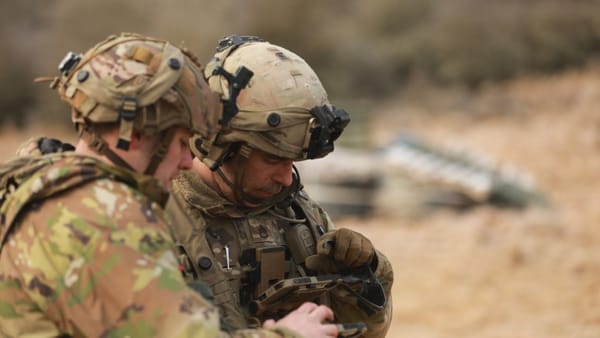
In a parallel effort, the 1-23rd Infantry Battalion has been testing kamikaze FPV drones inspired by the ongoing war in Ukraine. This testing at the platoon level is designed to evaluate the effectiveness of these drones in real-world combat scenarios, enhancing the Army's capability to conduct precision strikes against enemy targets.
The Strategic Calculus
The introduction of the XM30 AI vehicles signifies a shift towards more technologically advanced systems within the Army's arsenal. Key aspects of this initiative include:
- Artificial Intelligence Integration: The XM30 is designed to leverage AI for improved decision-making and operational efficiency.
- Increased Autonomy: These vehicles are expected to operate with a degree of autonomy, potentially reducing the risk to personnel.
Meanwhile, the deployment of kamikaze FPV drones reflects the Army's response to lessons learned from the Ukraine conflict, where drone warfare has played a crucial role. The strategic implications of this development include:
- Enhanced Strike Capability: These drones allow for precise targeting, which can significantly disrupt enemy operations.
- Adaptation to Modern Warfare: The incorporation of drone technology aligns with evolving tactics in asymmetric warfare.
What Comes Next
As the U.S. Army continues to innovate, analysts will be watching the effectiveness of both the XM30 vehicles and the FPV drones in upcoming military exercises and real-world applications. The Army’s ability to adapt and integrate new technologies will be crucial for maintaining operational superiority in future conflicts.
Furthermore, the success of these initiatives raises questions about the future of U.S. military engagements and how these technologies will reshape traditional combat roles. The implications for training, logistics, and overall strategy will be significant as the Army seeks to modernize its forces in an increasingly complex global landscape.
Sources: Armyrecognition, Popular Mechanics, and Army Recognition