Evolving Counter-Drone Strategies Amid Ongoing Ukrainian Attacks

The landscape of modern warfare is rapidly changing, particularly as drone technology increasingly influences military strategy. Recent developments from the Pentagon and ongoing Ukrainian drone operations against Russian targets highlight this transformation.
What Happened
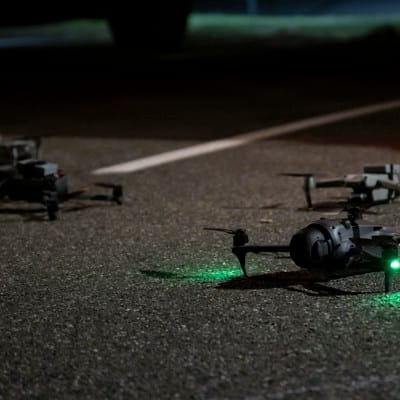
In a notable exercise, the Pentagon replicated a Ukrainian-style drone attack in Florida, marking a significant shift in its counter-drone strategy. This exercise not only showcased the capabilities of drone technology but also emphasized the complexities involved in responding to such threats. The Pentagon's approach aims to adapt and refine its strategies based on the lessons learned from real-world applications of drone warfare.
Simultaneously, Ukraine has continued its drone operations, with a recent strike resulting in a fire at a Russian oil refinery in Tuapse. This attack caused a fire in a petroleum storage facility, significantly impacting the air quality in the area as released gases worsened conditions for local residents. These incidents underscore the operational effectiveness of drone strikes in disrupting enemy logistics and infrastructure.
The Strategic Calculus
The recent Pentagon exercise raises critical questions about the evolving nature of aerial warfare and the increasing reliance on unmanned systems. As drone technology continues to develop, military planners must consider several factors:
- Technological Adaptation: The Pentagon's exercise indicates a willingness to learn from Ukraine's operational tactics, suggesting a shift towards more integrated drone warfare strategies.
- Counter-Drone Measures: As drone attacks become more frequent, the need for effective counter-drone technologies and strategies becomes paramount.
- Geopolitical Implications: Ukraine's successful strikes against Russian facilities demonstrate the potential for asymmetric warfare, where smaller forces can leverage advanced technologies to challenge larger military powers.
The implications of these developments extend beyond immediate military engagements. They highlight a growing need for nations to rethink their defense postures and invest in advanced technologies to counter evolving threats.
On the Ground
As these drone operations unfold, analysts will be closely monitoring the outcomes and effectiveness of both Ukrainian strategies and U.S. military adaptations. The ability of the U.S. military to integrate lessons from Ukraine’s experience into its own operational frameworks could shape future warfare tactics significantly.
The situation in Ukraine serves as a case study in the effective use of drones for strategic objectives. The ongoing attacks not only disrupt Russian operations but also draw international attention to the capabilities and potential of drone warfare.
In summary, the intersection of these two narratives—U.S. military exercises and Ukrainian drone strikes—illustrates the shifting paradigms in defense strategy and operational effectiveness in modern conflicts. The need for robust counter-drone measures is increasingly clear as nations adjust to these new realities.
Sources: Defenseone, Defence24, Defense One, RBC-Ukraine, DefenseScoop, and The Washington Institute