Evolving Counter-Drone Strategies: Moscow and US Army Initiatives

In a notable demonstration of evolving air defense capabilities, Russia is implementing measures to enhance its protection against drone threats, particularly in urban settings. Concurrently, the US Army is testing a new drone interceptor designed to bolster European defense. These developments highlight a growing emphasis on counter-drone technology in contemporary military strategies.
What Happened
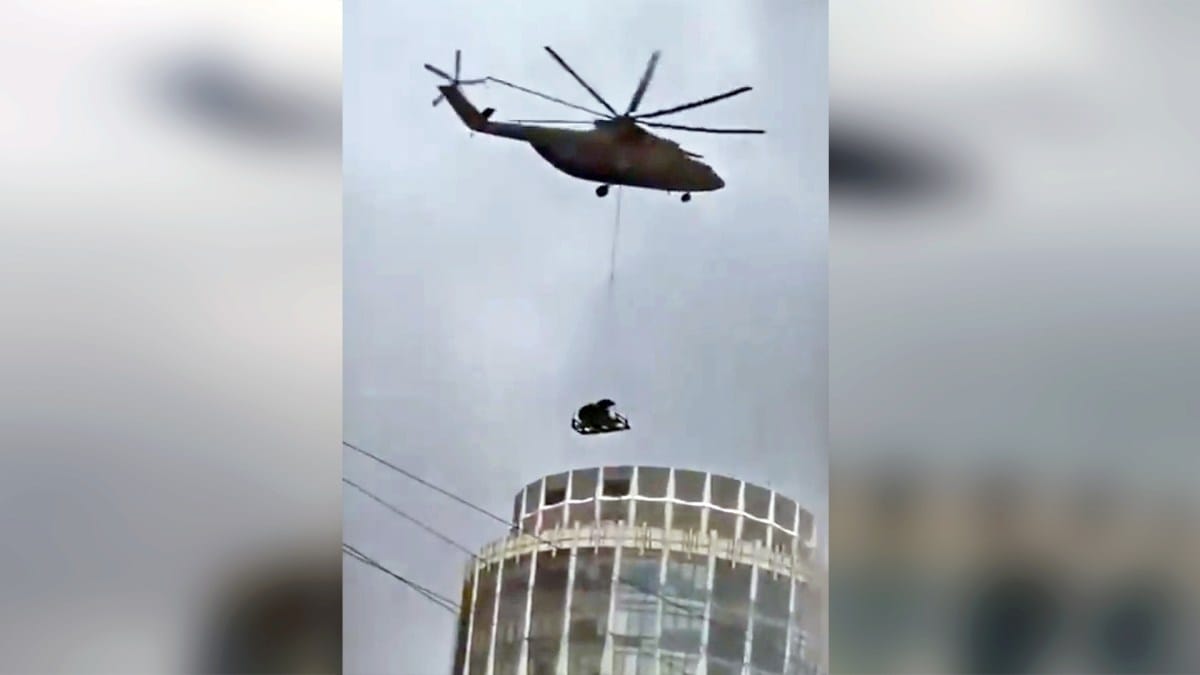
Recent footage revealed a Pantsir-SMD-E air defense system being helicoptered onto a skyscraper in Moscow. This deployment signifies Russia's proactive approach to enhance its defenses against potential Ukrainian drone attacks. The integration of this advanced system on high-rise buildings illustrates a tactical shift towards urban air defense.
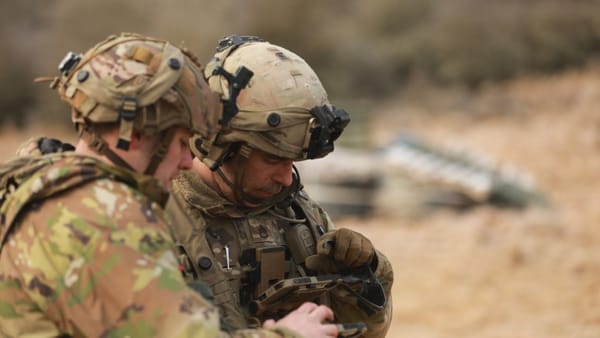
On a parallel front, the US Army is evaluating a low-cost, radar-agnostic drone interceptor. This interceptor aims to integrate seamlessly with existing command-and-control networks, thereby improving operational efficiency and response times in European defense scenarios. The focus on a command-networked solution reflects a strategic adaptation to contemporary threats.
The Strategic Calculus
Both Russia and the United States are recognizing the increased reliance on drone technology in modern warfare. The implications of these developments highlight several strategic considerations:
- Urban Vulnerability: The placement of the Pantsir-SMD-E in Moscow underscores the vulnerability of urban centers to drone attacks, necessitating enhanced air defenses.
- Integrated Defense Systems: The US Army's command-networked interceptor represents a forward-thinking approach to multi-domain operations, enhancing situational awareness and response capabilities.
- Cost-Effectiveness: The emphasis on low-cost solutions in the US initiative indicates a shift towards economically sustainable defense strategies while maintaining effectiveness against aerial threats.
What Comes Next
As both nations advance their counter-drone capabilities, defense analysts will be closely observing the outcomes of these initiatives. The deployment of the Pantsir system in Moscow may lead to further enhancements in urban defense strategies across other major cities. Additionally, the performance of the US Army's new interceptor in Europe could set new benchmarks for drone defense technology.
These developments urge military planners to reassess their current defense postures and consider integrating advanced counter-drone solutions into their operational frameworks. The ongoing arms race in drone technology emphasizes the need for adaptive strategies to counter emerging aerial threats effectively.
Sources: Twz, Thedefensepost, The War Zone, UNITED24 Media, Business Insider, and Forbes