Evolving Role of the F-15EX: Air-to-Ground Capabilities on the Horizon

Transitioning Missions for the F-15EX
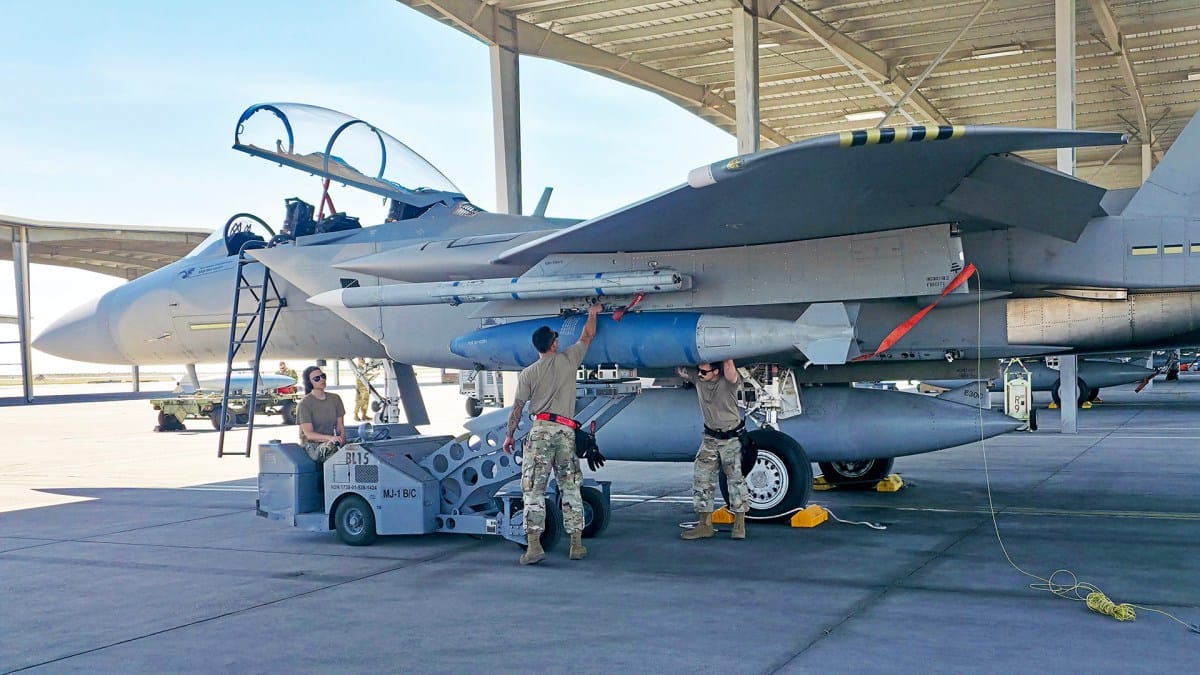
The F-15EX is on the verge of expanding its mission profile beyond traditional air-to-air combat roles. As the latest iteration of the F-15 family, the F-15EX is currently aligned with the mission set of its predecessor, the F-15C. However, changes are underway that will see the platform incorporate air-to-ground capabilities, signifying a significant shift in its operational use.
This evolution in the F-15EX's mission set reflects broader trends in military aviation, where multi-role capabilities are increasingly prioritized. The integration of air-to-ground functionality enables the aircraft to engage a wider array of targets, enhancing its versatility and effectiveness in contemporary combat scenarios. Such a transformation is likely driven by the need for forces to adapt to dynamic battlefield environments, where threats emerge from both air and ground domains.
Strategic Implications for Future Operations
The implications of this shift are notable. By incorporating air-to-ground capabilities, the F-15EX could serve as a more comprehensive asset in joint operations, potentially streamlining support for ground forces and improving overall mission effectiveness. This raises the question of how the U.S. Air Force will reallocate resources and training to maximize the F-15EX's expanded role. Analysts will be watching how this development influences operational planning and the balance of air power in future conflicts.
As military strategies evolve, the F-15EX's ability to perform dual roles may provide a critical advantage in a rapidly changing global security environment. The focus on enhancing this airframe underscores the ongoing commitment to maintain air superiority while adapting to the multifaceted nature of modern warfare.
Sources: Twz, Zona Militar, Boeing, FlightGlobal, and 19FortyFive