Evolving Tactics: UK and US Advances in Counter-Drone Warfare

Recent developments in the UK and US defense sectors highlight a significant shift towards enhancing counter-drone capabilities amid rising concerns over aerial threats. With the UK’s procurement of Martlet missiles and the US Marines' training initiatives in Japan, both nations are taking proactive measures to address the challenges posed by drone warfare.
What Happened
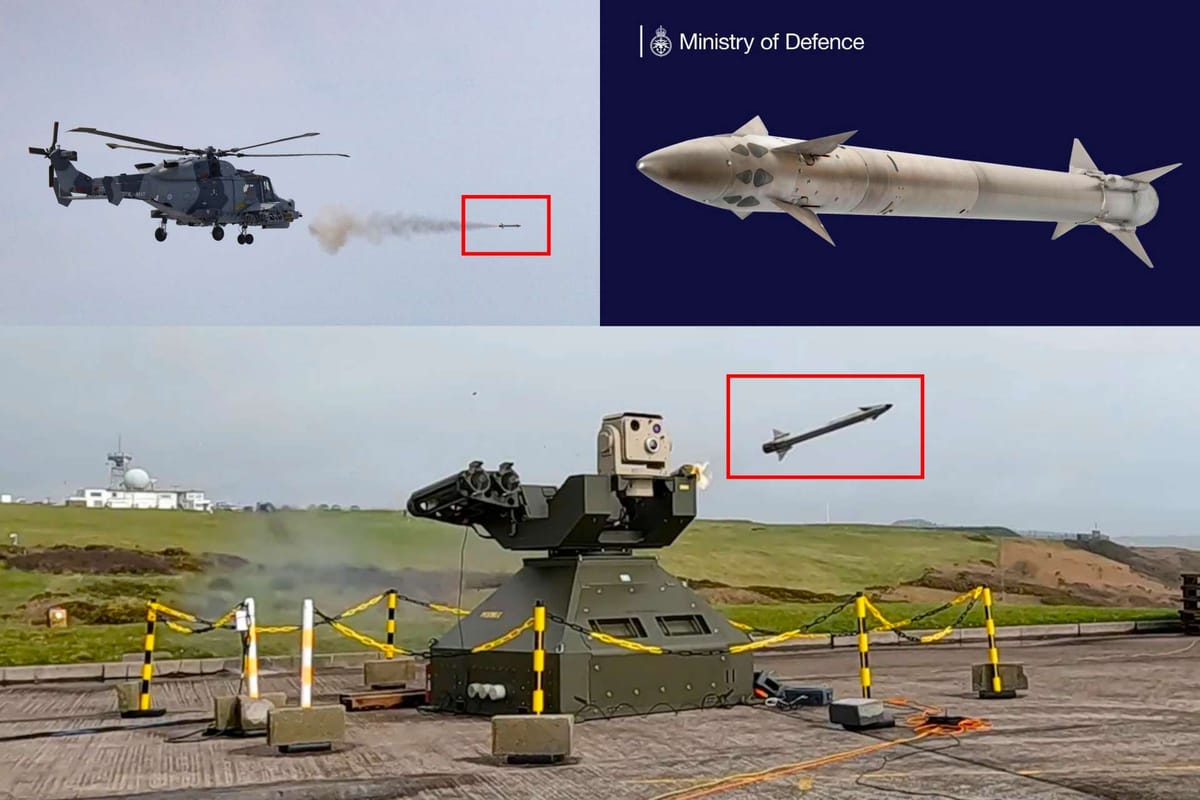
The UK has announced a substantial investment in its counter-drone capabilities by ordering hundreds of additional Martlet missiles. This procurement, under a £36 million contract, aims to bolster the UK's layered air defense systems. The Martlet missile is designed specifically for engaging small aerial threats, making it a vital asset in modern warfare.
In parallel, the US Marines have initiated training programs for drone operators in Okinawa, Japan. This training focuses on utilizing drone technology to detect hidden enemy forces in challenging jungle terrains, thereby enhancing Indo-Pacific reconnaissance capabilities. This operational shift underscores the importance of integrating drone technology into conventional warfare strategies.
The Strategic Calculus
Both the UK and US are recognizing the increasing significance of drone warfare in contemporary conflicts. The decision to expand missile capabilities and invest in drone operator training reflects a broader strategic calculus aimed at countering adversaries who may leverage drone technology for reconnaissance and strikes. Key factors include:
- Heightened Threats: The proliferation of drones among various non-state actors and military forces necessitates advanced countermeasures.
- Technological Integration: Incorporating drone technology into military operations can provide real-time intelligence and enhanced operational effectiveness.
- Indo-Pacific Focus: The US training initiative in Japan is particularly relevant given the region's geopolitical tensions, emphasizing the need for robust reconnaissance capabilities.
What Comes Next
The implications of these developments extend beyond immediate military applications. Analysts will be watching how these upgrades influence the strategic landscape in both Europe and the Indo-Pacific. The UK's commitment to enhancing its missile arsenal could inspire similar investments among NATO allies, leading to a more unified approach to counter-drone operations.
Moreover, the US Marines' focus on training in diverse environments like the Okinawa jungle may pave the way for innovative tactics that could be adapted in other regions facing asymmetric warfare. As both nations advance their capabilities, the evolving nature of aerial threats will likely drive further innovation and collaboration in defense strategies.
Sources: Armyrecognition, BBC, The Aviationist, Forces News, and UK Defence Journal