Expansion of Radar Testing Infrastructure at Tobyhanna Army Depot

Overview of the Expansion Project
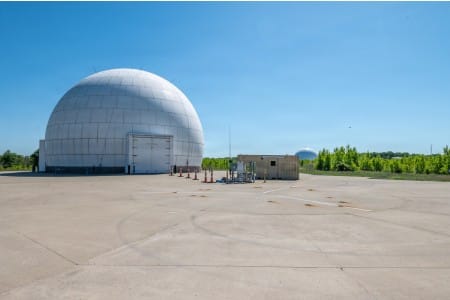
The Tobyhanna Army Depot is initiating a significant expansion of its radar testing capabilities through a two-phase project aimed at enhancing its infrastructure. This development is set to improve the depot's capacity to test various radar systems, ensuring that the U.S. Army maintains its technological edge in modern warfare.
Context and Strategic Importance
The expansion at Tobyhanna comes amid increasing global threats and the need for advanced radar systems that can adapt to evolving military requirements. By investing in updated facilities, the Army aims to bolster its operational readiness and improve the performance of its radar assets. The depot is known for its vital role in the repair and maintenance of communication and electronic systems, making this enhancement a critical part of the Army's broader strategy to modernize its equipment.
Moreover, this move aligns with the U.S. military's ongoing commitment to maintaining superior defense capabilities in a rapidly changing security landscape. As adversaries invest in advanced technologies, the demand for sophisticated radar systems capable of detecting and countering these threats becomes paramount. The implications of this expansion extend beyond just improved infrastructure; they signal a proactive approach to military readiness in the face of modern challenges.
Why It Matters
The implications of the Tobyhanna Army Depot's expansion are significant for U.S. defense strategy. Enhanced radar testing capabilities will likely lead to improved system performance and reliability, which are essential for effective military operations. This development raises the question of how quickly these new capabilities can be integrated into active duty and what additional resources may be required for training personnel. As the U.S. continues to face complex global threats, advancements in radar technology will play a crucial role in maintaining national security and operational effectiveness.
Sources: Thedefensepost, army.mil, Representative Rob Bresnahan | (.gov), WFMZ.com, and Scranton Times-Tribune