F-35 from USS Abraham Lincoln Engages and Downs Iranian Drone

Recent U.S.-Iran Tensions: Drone Engagements and Maritime Incidents
Overview of Recent Events
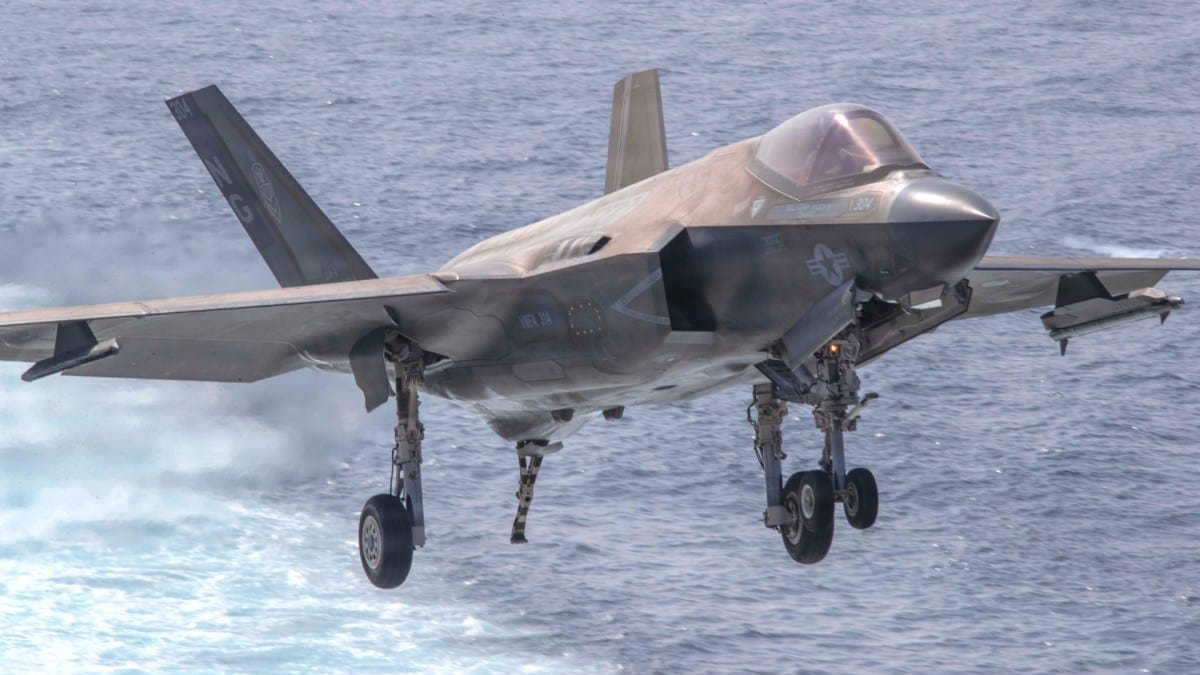
An F-35C Lightning II Joint Strike Fighter operating from the USS Abraham Lincoln successfully intercepted an Iranian drone following aggressive maneuvers toward the aircraft carrier. This incident reflects heightened maritime tensions in the Strait of Hormuz, where U.S. military assets are increasingly on alert amid a significant buildup aimed at countering Iranian activities.
Engagement of Iranian Unmanned Aerial Vehicle (UAV)
- Incident Details: An Iranian Shahed-139 drone approached the USS Abraham Lincoln while it was transiting the Arabian Sea, approximately 500 miles off the Iranian coast.
- U.S. Navy Captain Tim Hawkins reported that the drone initiated aggressive contact with the carrier, prompting the F-35C to engage in self-defense protocols.
- No American personnel were harmed, and no equipment sustained damage during this interaction.
Maritime Harassment in the Strait of Hormuz
Concurrently, U.S. maritime officials reported that vessels belonging to Iran’s Islamic Revolutionary Guard Corps (IRGC) harassed a U.S.-flagged merchant ship, the M/V Stena Imperative.
- Details:
- Two IRGC boats and an Iranian Mohajer drone attempted to confront the tanker at high speeds, posing a potential boarding threat.
- The USS McFaul, a guided-missile destroyer, was dispatched to provide escort and defensive air support, successfully de-escalating the situation.
Drones as a Strategic Threat
The use of drones presents unique operational challenges:
- Risk Mitigation: Drones lower the likelihood of escalation due to the absence of crew, facilitating more aggressive engagement strategies.
- Historical Context: Previous incidents have illustrated the ongoing threats posed by Iranian drones, with notable examples including targeted harassment of U.S. Navy vessels, including kamikaze drone attacks by Houthi militants.
Implications for U.S. Strategy
The U.S. military’s ongoing presence in the region and recent incidents stress the need for robust defense measures:
- UAV Capabilities: The F-35C is equipped for counter-drone operations, potentially utilizing AIM-9X Sidewinders and AIM-120 AMRAAMs.
- Strategic Patrols: Heightened vigilance is crucial, given previous threats and evolving tactics from Iranian forces.
Diplomatic Efforts Amid Military Posturing
The context of military engagements occurs alongside diplomatic maneuvers aimed at addressing the Iranian nuclear program and regional instability.
- Current Status: U.S. officials have indicated discussions with Iranian representatives are on the agenda, suggesting a dual approach of deterrence and negotiation.
- Statements from Administration: The White House emphasizes a preference for diplomatic dialogue while retaining military options, ensuring that threats to U.S. interests do not go unaddressed.
Conclusion: Navigating Complex Challenges
As tensions in the region heighten, U.S. military operations and diplomatic overtures will remain critical in managing threats posed by Iran. The recent drone interception underscores the importance of readiness and adaptability within the U.S. Navy and broader defense strategy in the Middle East. Further developments are anticipated as military and diplomatic discussions continue. This evolving situation necessitates close monitoring by defense professionals and analysts, considering both immediate operational implications and longer-term geopolitical trends. Source link