France Advocates for Mirage Transfer to Ukraine as Greece Weighs Options

Strategic Implications of Aircraft Redistribution
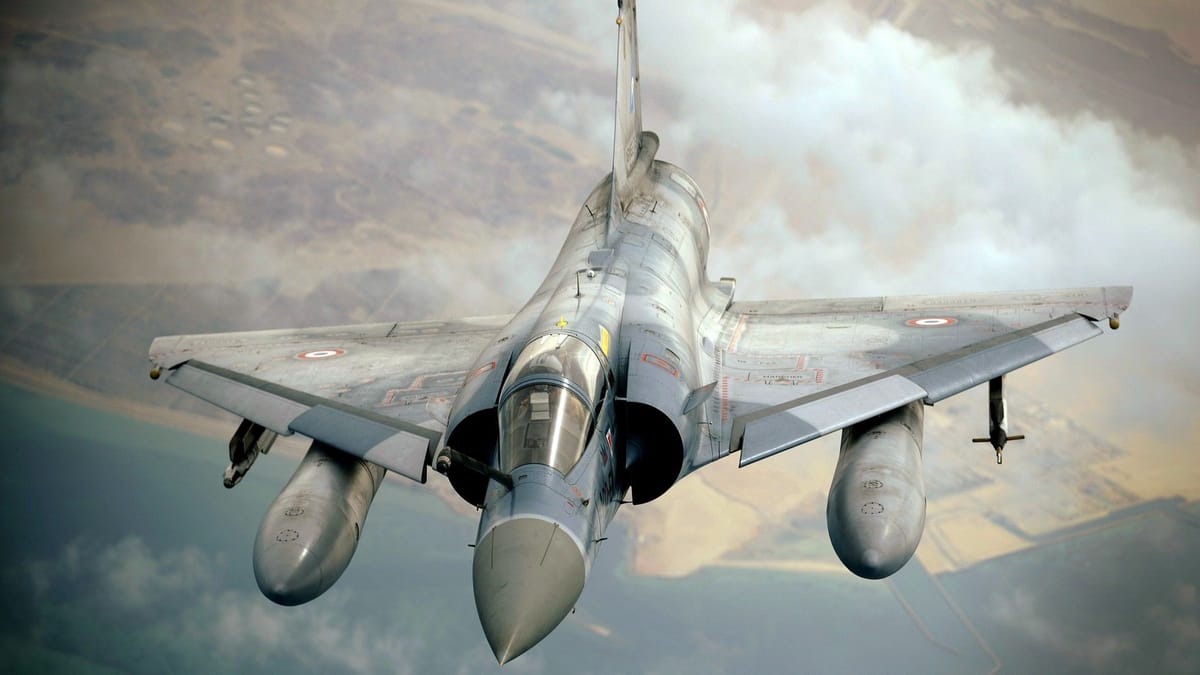
France is actively promoting the transfer of a portion of Greece's Mirage 2000-5 aircraft to Ukraine. This move comes as Athens currently operates 24 of these aircraft while managing older variants that are either partially retired or stored. The negotiations surrounding this aircraft deal are complicated by both political and financial considerations, showcasing the multifaceted nature of defense logistics in the current geopolitical landscape.
The proposal to redirect these assets to Ukraine underscores France's commitment to bolstering the Ukrainian defense posture amid ongoing tensions in the region. However, Greece's hesitancy in approving the transfer reveals concerns about its own defense readiness and operational capabilities. This situation highlights the operational dependencies that international military partnerships entail and raises questions about how shifts in asset allocation could affect regional security dynamics.
Operational readiness and the financial implications of maintaining a reduced fleet are crucial factors for Greece. The Mirage 2000-5, a modern multirole fighter, plays a significant role in Athens' air defense strategy. Therefore, any decision to send these aircraft to Ukraine could potentially weaken Greece's own military posture, particularly in light of its geopolitical tensions with neighboring countries. This situation necessitates careful consideration of the balance between supporting Ukraine and securing Greece's defense needs. Why it matters: The ongoing negotiations about the Mirage deal may serve as a bellwether for future military support initiatives within NATO. Analysts will be watching closely to see how Greece navigates this dilemma, as it may set a precedent for other nations in similar circumstances. The outcome could influence not only the operational capabilities of the Ukrainian military but also the cohesion and strategic decisions of NATO allies in addressing threats in Eastern Europe.
Sources: Defence24, Defense Express, Greek City Times, Defence24.com, and Мілітарний