Franco-German Fighter Program Faces Collapse Over Differences

Program Breakdown
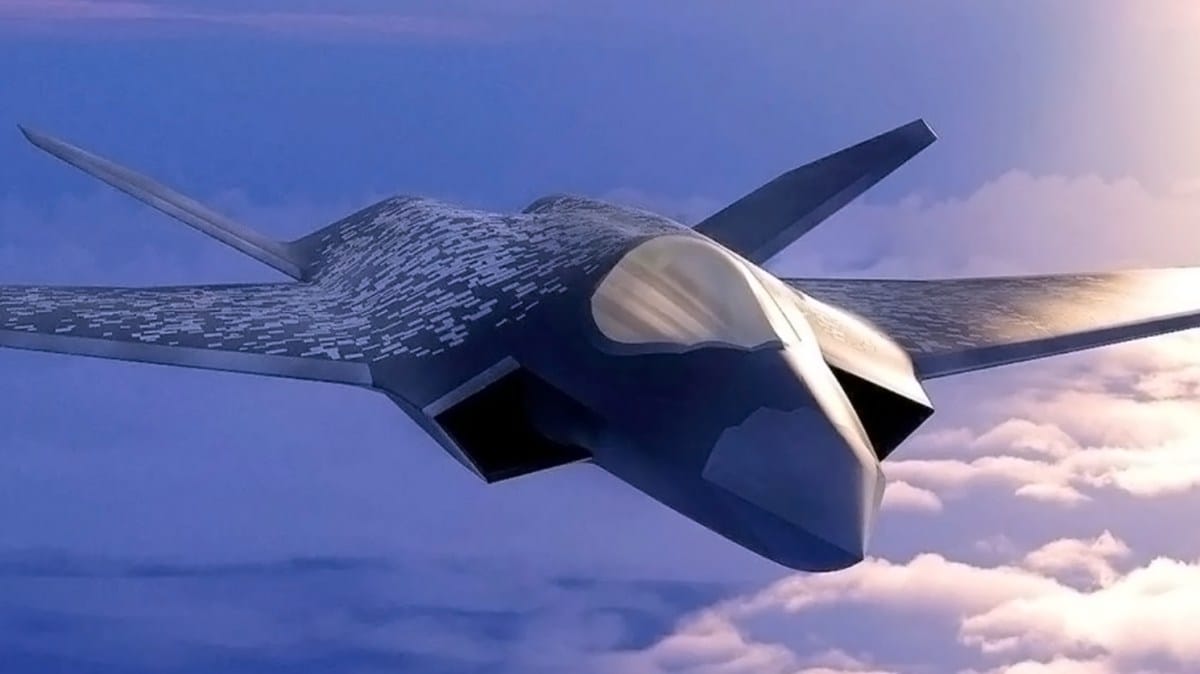
Recent negotiations between Germany and France regarding their joint next-generation fighter program have failed, resulting in the apparent end of Europe's flagship combat air effort. The breakdown stems from irreconcilable differences in requirements, highlighting significant challenges in collaborative defense initiatives within Europe.
Context and Implications
The failure to align on program specifics underscores broader issues in European defense cooperation. Germany and France, two of the continent's leading defense powers, were expected to leverage their technological capabilities and industrial bases to develop a state-of-the-art combat aircraft. This collapse raises questions about the future of European defense projects and the ability of European nations to unify on complex military programs.
Analysts will be watching the reactions from both nations as well as their respective defense industries, which may face significant setbacks due to this failure. Furthermore, this event may impact future collaborations not only between Germany and France but also among other European nations considering joint defense ventures.
The implications are significant; without a successful outcome from this program, Europe may find itself increasingly reliant on external partners, particularly the United States, for advanced military capabilities. This could shift the balance of power in European defense and security, as nations reassess their strategic alliances and investment priorities in the face of ongoing global threats.
Sources: Twz, Reuters, politico.eu, Euractiv, and DW.com