Future Warfare: Integrating Advanced Air Platforms and Drone Swarms

As military technology continues to evolve, several countries and manufacturers are pushing the envelope with innovative air and drone capabilities. The integration of optionally crewed platforms and advanced drone systems promises to reshape the battlefield landscape, offering unprecedented operational flexibility and effectiveness.
The Rise of Drone Swarms and Optional Crewing
The CH-47 Chinook helicopter is set to become a pivotal platform in future military operations with its potential to launch swarms of drones from the air. This capability not only enhances the Chinook's traditional roles but also positions it as a force multiplier in modern warfare. The growing interest in an optionally crewed version of the Chinook indicates a shift towards more autonomous systems, allowing for:
- Enhanced operational safety by reducing risk to pilots.
- Increased mission versatility, enabling varied roles from logistics to combat support.
- Potential for rapid deployment of drone swarms for intelligence, surveillance, and reconnaissance (ISR) missions.
This dual capability may enable forces to adapt quickly to changing battlefield conditions, leveraging drone swarms to overwhelm adversaries with sheer numbers while maintaining the Chinook's traditional advantages.
General Atomics and the Future of Tactical Drone Operations
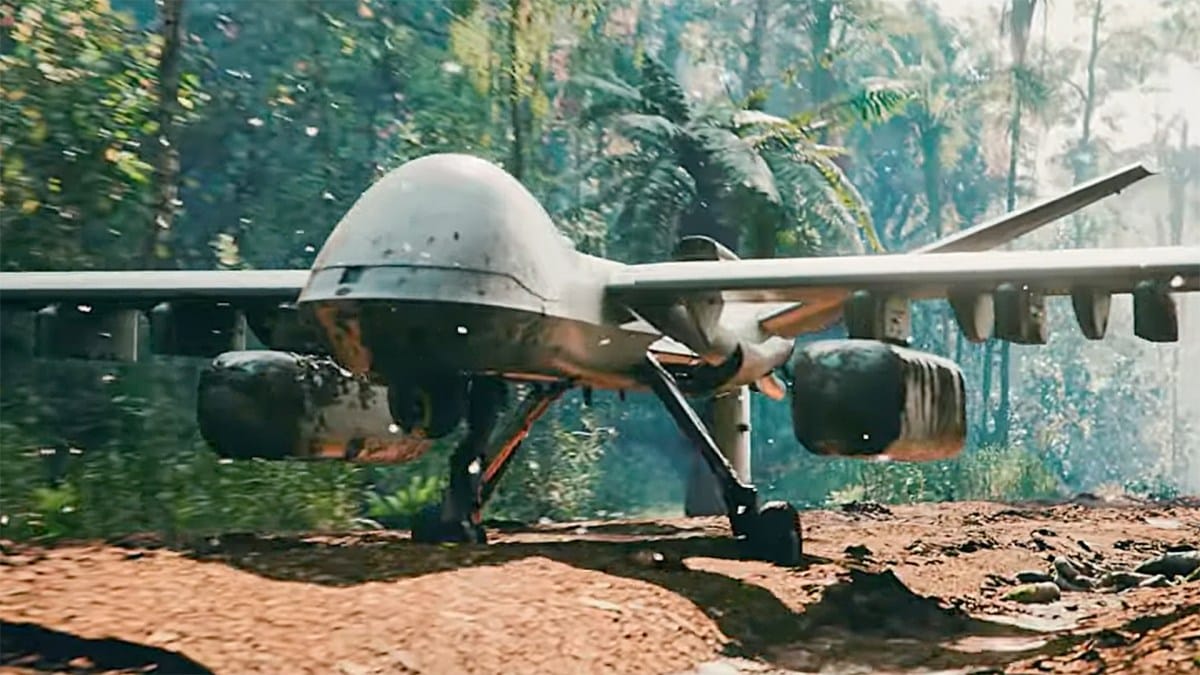
General Atomics is also reimagining the use of drones in austere environments with its Mojave platform. Designed for operations in rough fields, the Mojave extends the reach of tactical operations, providing support roles that include:
- Escort missions for helicopters, enhancing combat air support.
- Precision strikes against ground targets.
- Real-time surveillance and networking capabilities.
- Transporting cargo in challenging terrain.
This flexibility allows for a more agile response to threats, particularly in regions where traditional air support may be limited. The Mojave's capability to operate from less-than-ideal airstrips significantly widens the operational envelope for military forces, especially in contested environments.
The Strategic Implications for Global Defense Postures
Amidst these advancements in air and drone capabilities, India’s recent decision to bolster its air defense systems, including acquiring more Russian S-400 systems, highlights the pressing need for robust defensive measures. The S-400's effectiveness during last year's brief conflict with Pakistan underscores its strategic importance. By enhancing its air defense inventory, India aims to:
- Counter emerging aerial threats effectively.
- Reinforce its strategic deterrence posture in South Asia.
- Integrate advanced systems with its own developing drone capabilities.
The combination of advanced air platforms and strong air defense systems reflects a broader trend where nations are seeking to balance offensive and defensive capabilities in a dynamic security environment. The growing reliance on drones and optionally crewed platforms indicates a shift towards technology-driven warfare, where traditional paradigms are continually challenged.
Moving forward, the integration of these technologies will likely dominate military planning and procurement strategies. The ability to deploy drone swarms and conduct operations from austere locations will not only redefine engagement rules but also influence international military collaborations and arms development initiatives.
Sources: Twz, Defensenews, The War Zone, and Navy Lookout